Drought, Food Prices And El Niño: Uganda Faces A New Food-Security Test
+256 702 23 93 37: Drought, Food Prices And El Niño: Uganda Faces A New Food-Security Test

UgandaToday: Drought, Food Prices And El Niño: Uganda Faces A New Food-Security Test


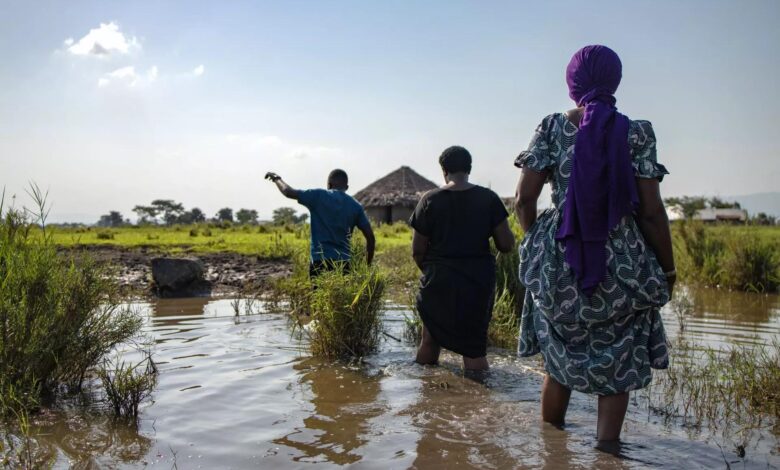
Ugandan farmers are increasingly exposed to unpredictable weather, with drought in some areas and flood risks in others threatening food production and household incomes.
The Climate Crisis Is Now A Food Crisis
Uganda’s climate challenge is no longer a distant environmental discussion.
It is increasingly appearing on the dinner table.
Farmers are reporting prolonged dry spells and crop losses in some parts of the country, while other regions face the threat of excessive rainfall and flooding.
The result is a dangerous combination: lower production, higher food prices and reduced household purchasing power.
Recent assessments by the Integrated Food Security Phase Classification have warned that climate-related crop and pasture losses, combined with high food prices, are worsening food insecurity among vulnerable populations.
Millions Are Vulnerable
The food-security situation is particularly worrying in Karamoja and among vulnerable refugee and host communities.
The IPC analysis projects deterioration in acute malnutrition in some vulnerable areas between October 2026 and March 2027, with failed harvests and climate-related shocks among the contributing factors.
This is not merely an agricultural problem.
When crops fail, families lose income.
When food becomes scarce, prices rise.
When prices rise, poor households reduce the quantity and quality of food they consume.
Children are often among those who suffer most.
Climate Change Is Affecting Children Too
A recent UNICEF-supported consultation involving children and young people across Uganda found that climate change is already affecting water access, education, health, food security and safety.
Consultations in Karamoja, West Nile, Teso, Busoga and other regions highlighted drying water sources, crop failures, flooded school routes, rising temperatures, food insecurity and declining environmental resources.
This is an important warning.
The climate crisis is not simply about farmers.
It is about the future of Ugandan children.
El Niño Adds Another Layer Of Uncertainty
The wider East African region is entering a period in which the strengthening 2026–27 El Niño could produce both excessive rainfall and drought-related shocks in different places and at different times.
The World Food Programme has warned that the developing El Niño could worsen global food insecurity and that early preparedness is critical.
For Uganda, the challenge is particularly complicated.
Too little rain can destroy crops.
Too much rain can wash away crops, roads, bridges and homes.
In both cases, the poorest households often have the least capacity to recover.
Uganda Cannot Keep Waiting For Disasters
One of the most important policy questions is whether Uganda will continue responding to climate disasters after they happen or invest more aggressively in preventing them.
Parliament’s Deputy Speaker Thomas Tayebwa has recently called for a shift from disaster relief towards prevention and resilience.
That approach deserves serious attention.
Uganda needs more irrigation.
It needs stronger water-storage systems.
It needs climate-resilient seeds and farming techniques.
It needs better weather information reaching farmers before planting decisions are made.
It needs stronger protection of wetlands and forests.
And it needs roads and bridges capable of surviving increasingly unpredictable weather.
Food Security Must Become A National Security Issue
A hungry population is vulnerable.
When families cannot afford food, social pressures increase. Children may leave school. Young people may migrate in search of opportunities. Farmers may abandon productive activities. Communities can become increasingly dependent on emergency assistance.
This is why food security should not be treated as a Ministry of Agriculture issue alone.
It is an economic issue, health issue, education issue and national security issue.
The Time To Prepare Is Now
Uganda still has an enormous agricultural advantage.
It has fertile land, water resources, a large agricultural workforce and the potential to produce food for both domestic and regional markets.
But those advantages will not automatically protect the country from climate shocks.
The future will depend on how effectively Uganda moves from traditional dependence on rainfall towards resilient agriculture.
The message from farmers, children and climate experts is increasingly the same:
Prepare before the crisis arrives.
For a country where agriculture remains central to livelihoods, climate resilience is no longer optional.
It is the foundation of Uganda’s future food security.
#UgandaToday #FoodSecurity #ClimateChange #ElNino #UgandaFarmers #PhoenixNewsFeeds #OperaNewsFeeds