Uganda’s Forests Could Become A New Source Of Climate Finance
+256 702 23 93 37: From Trees To Climate Finance For many years, the economic value of a forest was largely associated with timber, tourism, agriculture, water catchment and other tangible resources. The emergence of carbon markets has added another dimension.

UgandaToday: Uganda’s Forests Could Become A New Source Of Climate Finance
The Emerging Carbon Economy Places A New Value On Protecting Trees While Testing The Country’s Environmental Governance
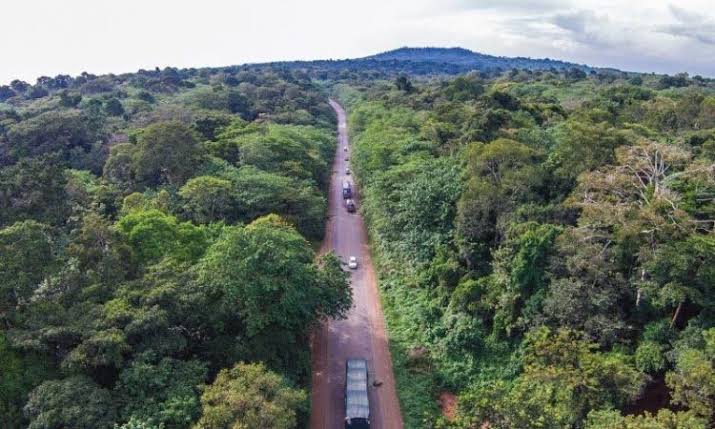
Uganda’s forests are increasingly being viewed not only as ecological assets but also as potential sources of climate finance.
A recent report in media highlighted a US$31 million forest-finance opportunity and described the development as a major test for Uganda’s ability to translate environmental conservation into tangible national and community benefits.
The development comes as government seeks to increase forest cover and has set a target of restoring it to 24 per cent by 2040.
From Trees To Climate Finance
For many years, the economic value of a forest was largely associated with timber, tourism, agriculture, water catchment and other tangible resources.
The emergence of carbon markets has added another dimension.
Forests absorb carbon dioxide from the atmosphere. Where properly structured programmes demonstrate measurable emissions reductions or removals, they can potentially attract climate-related finance.
This has created growing interest in the financial value of conserving forests rather than simply exploiting them.
But turning that potential into reliable revenue requires credible measurement, transparent accounting and safeguards for communities.
Why Uganda Matters
Uganda’s forests perform several functions simultaneously.
They regulate water systems, protect soils, support biodiversity and provide livelihoods for communities.
The country’s mountain forests also underpin tourism, particularly through the protection of habitats associated with mountain gorillas and other wildlife.
Recent coverage of World Gorilla Day has highlighted how conservation and tourism are increasingly intertwined with employment, businesses, infrastructure and community development.
This means forest protection is not merely an environmental issue.
It is also an economic-development question.
The US$31 Million Test
The reported US$31 million opportunity puts the issue into sharper focus.
The central question is how climate finance can move from international agreements and project documents into measurable benefits on the ground.
If communities that protect forests do not see tangible benefits, conservation incentives can weaken.
Conversely, transparent benefit-sharing can potentially make forest conservation economically meaningful to households that might otherwise depend on activities that degrade forests.
Governance Will Matter
Carbon and forest finance also introduces complex governance questions.
Who owns the carbon?
Who verifies the reductions?
Who receives the money?
How much reaches communities?
How are indigenous and local community rights protected?
What happens when a forest project overlaps with existing land claims?
These questions need clear answers before large-scale climate-finance programmes can gain lasting public confidence.
Protecting Forests Beyond Kampala
Uganda’s forest challenge is not confined to national parks or government reserves.
Private forests, community forests and landscapes surrounding protected areas can all contribute to national conservation objectives.
That requires local participation.
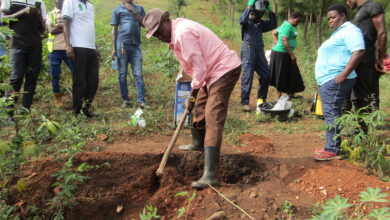
A farmer who preserves trees on private land, a community protecting a watershed and a district enforcing environmental regulations are all part of the broader conservation chain.
Climate Finance Must Produce More Than Carbon Credits
Uganda’s opportunity should therefore be measured in more than tonnes of carbon.
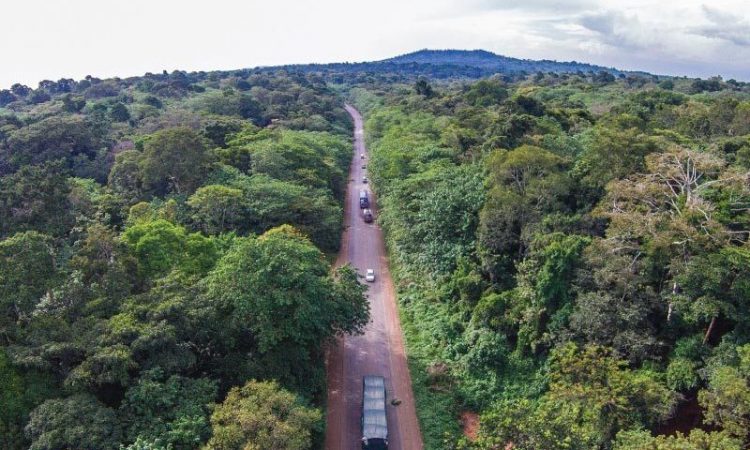
A successful forest-finance programme should ideally also contribute to biodiversity protection, water security, livelihoods and climate resilience.
That would turn forest conservation from an environmental obligation into a broader development strategy.
A New Chapter For Uganda’s Forests
The reported US$31 million opportunity comes at a time when Uganda is seeking to restore forest cover and attract climate-related investment.
The challenge now is ensuring that environmental finance is accompanied by strong institutions, transparent accounting and meaningful community participation.
If that balance is achieved, Uganda’s forests could become valuable not because they are cut down, but because they remain standing.
#UgandaToday #ClimateFinance #Forests #Environment #ClimateAction #PhoenixNewsFeeds