

UgandaToday: When Learning Ends in Tragedy: Why Uganda Must Rethink School Educational Tours
King David Junior School tragedy exposes dangerous gaps in planning, transport safety and accountability
By UgandaToday Investigations Desk
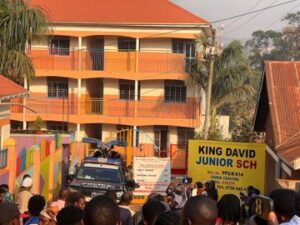
The heartbreaking deaths of more than 20 pupils and an adult from King David Junior School, Ndejje, in a horrific road crash on July 16, 2026, have plunged Uganda into mourning and reopened difficult questions about the safety of school educational tours.
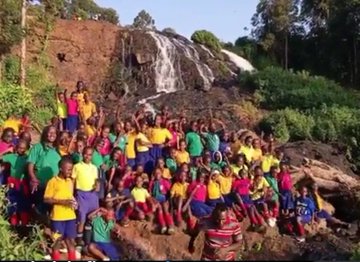
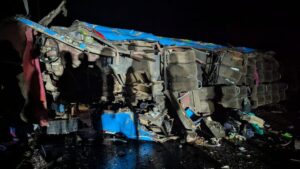
The pupils were returning from an educational excursion to the scenic Sipi Falls in Kapchorwa District when their school bus reportedly lost control on the notorious Chekwatit Hill before striking a large roadside rock and overturning. Preliminary police investigations indicate that a possible mechanical failure may have contributed to the crash, although investigations remain ongoing. The tragedy also claimed the life of the school’s founder and director, while dozens of other learners sustained injuries.
What should have been a memorable learning experience instead became one of Uganda’s deadliest school transport disasters in recent years.
A Nation in Mourning
Across Uganda, grief quickly transcended political, religious and cultural boundaries.
Buganda Kingdom Katikkiro Charles Peter Mayiga issued a moving condolence message that reflected the nation’s collective sorrow:
“We have received the news of the death of over 20 pupils and adults of King David Junior School, Ndejje, with extreme sadness! I extend my sympathies to the pupils, parents and teachers. May the departed souls be granted eternal rest! CPM.”
The message captured the pain of thousands of Ugandans who have watched disturbing images of the mangled school bus and heartbroken parents searching for news about their children.
Government Responds Swiftly
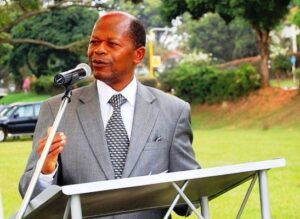
Recognising the gravity of the tragedy, Acting Education Minister Dr. John Chrysostom Muyingo suspended all school educational trips nationwide pending comprehensive investigations into the Kapchorwa crash and the broader safety arrangements governing school excursions.
Simultaneously, the Ministry of Works and Transport convened an emergency road safety meeting, with the Minister expected to announce immediate interventions aimed at preventing similar tragedies.
These decisions demonstrate the seriousness with which government views the incident. However, many education stakeholders argue that lasting reforms—not temporary suspensions—will ultimately save children’s lives.
When “Educational Exposure” Becomes a Business
Educational tours have become an integral part of Uganda’s school calendar.
Schools advertise trips to:
- Source of the Nile
- Murchison Falls National Park
- Queen Elizabeth National Park
- Sipi Falls
- Historical sites
- Regional destinations in Kenya and Tanzania
https://x.com/MercyLakiskis/status/2077354556598436118/video/1
Parents willingly pay between UGX 200,000 and UGX 800,000 believing their children will receive practical learning experiences beyond classroom walls.
Unfortunately, according to education stakeholders and concerned parents, many trips have gradually evolved into lucrative commercial ventures.
A concerned parent who shared views with UgandaToday observed:
“For many Ugandan schools, the annual or termly trip has turned from a learning experience into a business. Behind the branded T-shirts and smiling group photographs lies a worrying pattern. Too many journeys end with mechanical breakdowns, stranded children and, increasingly, funerals.”
It is a painful observation that deserves serious reflection.
Profit Before Safety?
One of the recurring concerns is that some schools prioritise reducing operational costs rather than guaranteeing maximum safety.
Parents allege that in pursuit of higher profit margins, some institutions hire the cheapest transport available instead of the safest.
Such cost-cutting may involve:
- ageing buses
- poorly maintained vehicles
- defective tyres
- inadequate insurance
- overloading passengers
- lack of seat belts
Transport experts have repeatedly warned that every one of these factors significantly increases the likelihood of catastrophic accidents.
The Driver Matters
Long-distance school trips require more than simply possessing a driving permit.
Drivers often navigate unfamiliar terrain for more than twelve hours, sometimes through mountainous roads, poor weather and dangerous black spots.
Fatigue remains one of the world’s leading causes of road crashes.
When exhaustion combines with speeding, mechanical defects or overloaded vehicles, tragedy becomes increasingly likely.
Chekwatit Hill itself has long been recognised as one of Uganda’s accident blackspots, making experienced drivers and mechanically sound vehicles even more essential.
Children Deserve Better Welfare
Safety extends beyond avoiding crashes.
Parents increasingly complain about poor welfare arrangements during educational tours.
Some pupils reportedly leave Kampala before dawn carrying little more than a bottle of water and a snack.
Meals are delayed.
Rest breaks are irregular.
Some buses carry no medical kits.
Few accompanying teachers possess first aid training.
When breakdowns occur hundreds of kilometres from home, children can remain stranded for hours awaiting assistance.
Educational tours should nurture children—not expose them to avoidable hardship.
Consent Forms Cannot Replace Accountability
Schools routinely ask parents to sign consent forms before educational trips.
Yet many parents admit they never receive detailed information regarding:
- vehicle inspections
- insurance cover
- driver qualifications
- emergency procedures
- risk assessments
- contingency plans
Legal experts note that while consent forms may document parental approval, they do not absolve schools of their duty of care.
Ultimately, responsibility for children’s safety remains with school management.
A Pattern Uganda Can No Longer Ignore
The Kapchorwa disaster did not occur in isolation.
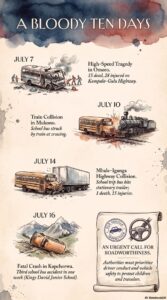
Uganda has witnessed several serious crashes involving school transport in recent months, raising broader concerns about vehicle roadworthiness, driver competence and enforcement of existing transport regulations.
Road safety specialists argue that these repeated incidents should be treated as warning signs rather than isolated misfortunes.
How Uganda Can Make Educational Tours Safe Again
The solution is not to abolish educational trips.
Field learning remains invaluable in helping learners appreciate Uganda’s geography, wildlife, culture, agriculture and history.
Instead, experts propose comprehensive reforms.
For the Ministry of Education and Sports
- Mandatory licensing of every educational tour.
- Submission of travel plans at least 30 days before departure.
- Verification of transport companies, insurance and driver credentials.
- National inspection standards for school transport.
For Schools
- Separate financial management from trip planning.
- Involve parent committees in procurement decisions.
- Conduct physical inspections of every vehicle before departure.
- Verify tyres, brakes, seat belts and insurance.
- Carry trained first-aid personnel on long journeys.
For Parents
Parents should ask critical questions before paying.
These include:
- Which company is transporting the children?
- Is the vehicle insured?
- Who are the drivers?
- What meals will children receive?
- Who supervises the learners throughout the journey?
Parents should also reject overcrowded or obviously unsafe transport arrangements.
For Transport Companies
Transport operators carrying schoolchildren should adopt stricter safety protocols, including:
- No night travel.
- Two drivers for journeys exceeding six hours.
- Real-time GPS monitoring.
- Regular mechanical inspections.
- Zero tolerance for overloading.
For Police and Local Governments
Traffic Police should intensify highway inspections during school trip seasons.
District Education Officers should establish emergency response mechanisms capable of assisting stranded school vehicles before minor problems escalate into disasters.
Every Child Is Uganda’s Child
The King David Junior School tragedy should become a turning point in Uganda’s education and transport sectors.
Educational tours enrich learning.
They expose children to the beauty of their country.
They inspire curiosity.
They build confidence.
But no educational experience is worth a child’s life.
As one concerned parent poignantly observed:
“A school trip should teach children about Uganda, not teach parents about grief. The goal is not to scrap trips, but to professionalise them. When profit becomes the driver, safety becomes the passenger.”
Those words resonate deeply after Kapchorwa.
School proprietors must ensure that every vehicle transporting learners is mechanically roadworthy, driven by mature and experienced professionals, fully insured and never overloaded.
Parents entrust schools with what they treasure most.
That trust must never again end beside a mangled bus on a lonely roadside.