
What You Ought to Know About The Fascinating Fruit Jabuticaba, the Fruit That Grows Straight from the Tree Trunk
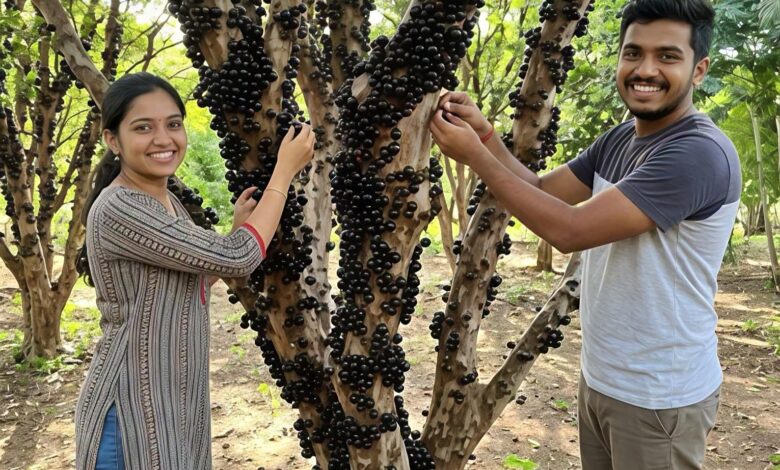
+256 702 239 337: Botanists describe this extraordinary phenomenon as cauliflory, an adaptation found in only a small number of tropical tree species. During the fruiting season, the trunk appears to be covered with hundreds—even thousands—of glossy purple-black berries, making it resemble a tree decorated with clusters of grapes.

UgandaToday: What You Ought to Know About The Fascinating Fruit Jabuticaba, the Fruit That Grows Straight from the Tree Trunk
By UgandaToday Reporter
In an era where social media is awash with unbelievable videos of exotic plants and fruits, one remarkable tree has left millions wondering whether it is a product of artificial intelligence or nature’s own masterpiece.
Meet the Jabuticaba—a rare tropical fruit tree whose tiny grape-like fruits emerge directly from its trunk and thick branches, creating one of the world’s most astonishing natural spectacles.
Far from being an internet hoax, the Jabuticaba is a scientifically recognised fruit tree native to Brazil and cultivated in several tropical and subtropical regions around the world.
A Tree Unlike Any Other
Unlike mangoes, oranges or apples that bear fruits on twigs and branches, the Jabuticaba tree produces flowers and fruits directly from its bark.
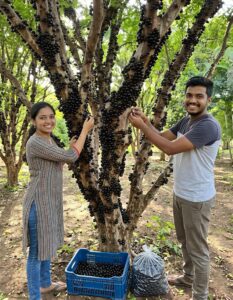
Botanists describe this extraordinary phenomenon as cauliflory, an adaptation found in only a small number of tropical tree species. During the fruiting season, the trunk appears to be covered with hundreds—even thousands—of glossy purple-black berries, making it resemble a tree decorated with clusters of grapes.
Scientists explain that this unique growth habit evolved to allow larger animals living in tropical forests to easily access and disperse the seeds.
Native to Brazil
Jabuticaba belongs to the Myrtaceae family, the same botanical family as guava and eucalyptus.
The fruit has been cultivated in Brazil for generations and is especially popular in the country’s southeastern states. Although commercial production remains relatively limited because the fruit spoils quickly after harvest, it remains a treasured delicacy among Brazilian families.
Its short shelf life is one of the main reasons why many people outside South America have never encountered it in supermarkets.
Tiny Fruit, Big Flavour
At first glance, Jabuticaba resembles a large grape.
Its glossy, dark-purple skin encloses a juicy white pulp with a sweet flavour balanced by a pleasant tanginess. Many people compare its taste to a blend of grapes, lychee and muscadine grapes.
The fruit is commonly eaten fresh from the tree but is equally popular in the production of:
- Fresh juices
- Wines
- Jams and jellies
- Ice cream
- Liqueurs
- Desserts
Because the fruit ferments rapidly after picking, it is often processed within a few days of harvest.
Rich in Antioxidants
Beyond its unusual appearance, Jabuticaba is attracting growing scientific interest for its nutritional value.
Studies indicate that its dark skin is particularly rich in anthocyanins and other phenolic compounds—natural antioxidants associated with combating oxidative stress in the human body.
Researchers continue to investigate its potential health benefits, although they caution that more clinical studies are needed before making definitive medical claims.
Why It Isn’t Common Worldwide
Despite its popularity in Brazil, Jabuticaba remains relatively rare internationally for several reasons.
The trees grow slowly and may take several years before producing their first harvest. Additionally, the fruits remain fresh for only a few days after picking, making long-distance export difficult.
These limitations have kept Jabuticaba largely as a specialty fruit rather than a globally traded commodity.
Could It Grow in Uganda?
Uganda’s tropical climate suggests that Jabuticaba could potentially grow in some regions, particularly where temperatures remain warm and soils are fertile and well-drained.
However, successful cultivation would require careful selection of suitable varieties and proper horticultural management. Agricultural experts would also need to evaluate its adaptability to local conditions before recommending commercial production.
If successfully introduced, the tree could become both an ornamental attraction and a niche fruit crop for high-value markets.
Nature Never Ceases to Amaze
At first sight, a Jabuticaba tree appears almost unbelievable—as though someone glued hundreds of grapes onto its trunk.
Yet this botanical wonder is entirely authentic. It serves as another reminder that nature continues to surprise humanity with extraordinary forms of life that often surpass even the most imaginative digital creations.
Sometimes, the most unbelievable sights on the internet are not artificial intelligence at work—they are simply nature displaying its remarkable creativity.