“I Was Jailed Eight Times in Tanzania” – Museveni’s Curious Prison Testimony Revives Uganda’s Bail Debate
+256 702 239 337: Perhaps no moment in the address attracted more public discussion than Museveni's extraordinary attempt to persuade Ugandans that prison is not necessarily something to fear. "I was in prison eight times in Tanzania for nothing. If you arrest me for nothing, I will prove myself." For many listeners, the statement was vintage Museveni—part autobiography, part political philosophy and part courtroom lecture. But legal analysts argue that the comparison may have exposed a deeper contradiction in the government's approach to criminal justice.

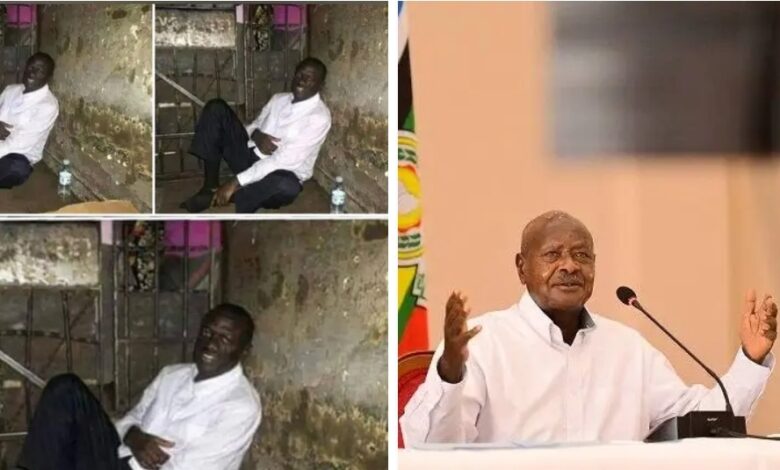

Museveni addressed the nation while defending his government’s position on bail under ongoing criminal prosecutions.
UgandaToday: “I Was Jailed Eight Times in Tanzania” – Museveni’s Curious Prison Testimony Revives Uganda’s Bail Debate
By Uganda Today Political Desk
President Yoweri Kaguta Museveni’s latest national address was intended to justify the government’s hardline position against granting bail to suspects facing serious offences. Instead, it has ignited an even broader constitutional debate, with lawyers, opposition politicians and civil society questioning whether the Head of State inadvertently undermined one of the most fundamental principles of criminal justice—the presumption of innocence.
Perhaps no moment in the address attracted more public discussion than Museveni’s extraordinary attempt to persuade Ugandans that prison is not necessarily something to fear.
“I was in prison eight times in Tanzania for nothing. If you arrest me for nothing, I will prove myself.”
For many listeners, the statement was vintage Museveni—part autobiography, part political philosophy and part courtroom lecture. But legal analysts argue that the comparison may have exposed a deeper contradiction in the government’s approach to criminal justice.
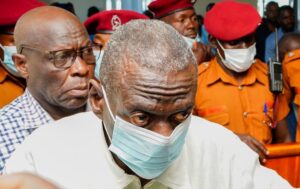
From Revolutionary Prisoner to Defender of Pre-Trial Detention
Museveni’s imprisonment in Tanzania occurred during the turbulent years preceding Uganda’s liberation struggles, when he was involved in anti-Idi Amin political activities.
His argument appeared straightforward: if he could endure imprisonment while innocent, today’s suspects—including his former personal physician, Kizza Besigye—should equally proceed through the judicial process rather than seek bail.
Critics, however, argue that the analogy overlooks a central constitutional safeguard.
Uganda’s Constitution does not require an accused person to prove innocence from prison. Instead, it places the burden squarely on the prosecution to establish guilt beyond reasonable doubt before an independent and competent court. Bail exists precisely because every accused person is presumed innocent until proven guilty.
That legal principle is protected under Articles 23 and 28 of the Constitution and has repeatedly been affirmed by Uganda’s courts. The Uganda Law Society has argued that decisions on bail belong exclusively to judicial officers rather than the Executive.
The Curious Logic of “Happy to Be in Prison”
One of the more ironic moments of the President’s address was his suggestion that suspects should almost appreciate being detained because, in his words, security agencies were not resorting to mob justice.
The statement immediately generated intense discussion across social media.
Commentators questioned whether prolonged detention before trial could itself become a form of punishment—particularly where cases take months or years before substantive hearings begin.
Others noted that prison is constitutionally intended to follow conviction, not substitute for it.
For many constitutional lawyers, Museveni’s prison anecdote unintentionally illustrated the very reason modern legal systems created bail: governments should not rely on personal experiences or political philosophies when determining an individual’s liberty.
Besigye at the Centre of Uganda’s Bail Debate
Although the President framed his address as a broader discussion on criminal justice, much of it focused on Dr. Besigye.
Museveni accused the veteran opposition politician of delaying his own trial and criticised what he described as courtroom “drama.”
Besigye, however, has consistently argued that his prosecution has been shaped by constitutional violations, including his reported transfer from Kenya to Uganda in November 2024 and his initial prosecution before a military court before the matter was shifted to the civilian justice system following the Supreme Court’s ruling that civilians cannot be tried by military courts.
Human Rights Questions Continue
Human rights organisations and opposition leaders have for years alleged that some political suspects are unlawfully arrested or abducted by security operatives before later being presented to police and prosecuted.
The Ugandan government has repeatedly denied allegations of torture, enforced disappearances and unlawful detention, maintaining that security agencies operate within the law.
Nevertheless, domestic and international rights organisations have continued to call for independent investigations into reported incidents and for strict adherence to constitutional safeguards throughout criminal investigations.
Those concerns have resurfaced alongside the renewed debate over bail and executive commentary on ongoing court proceedings.
Lawyers Push Back
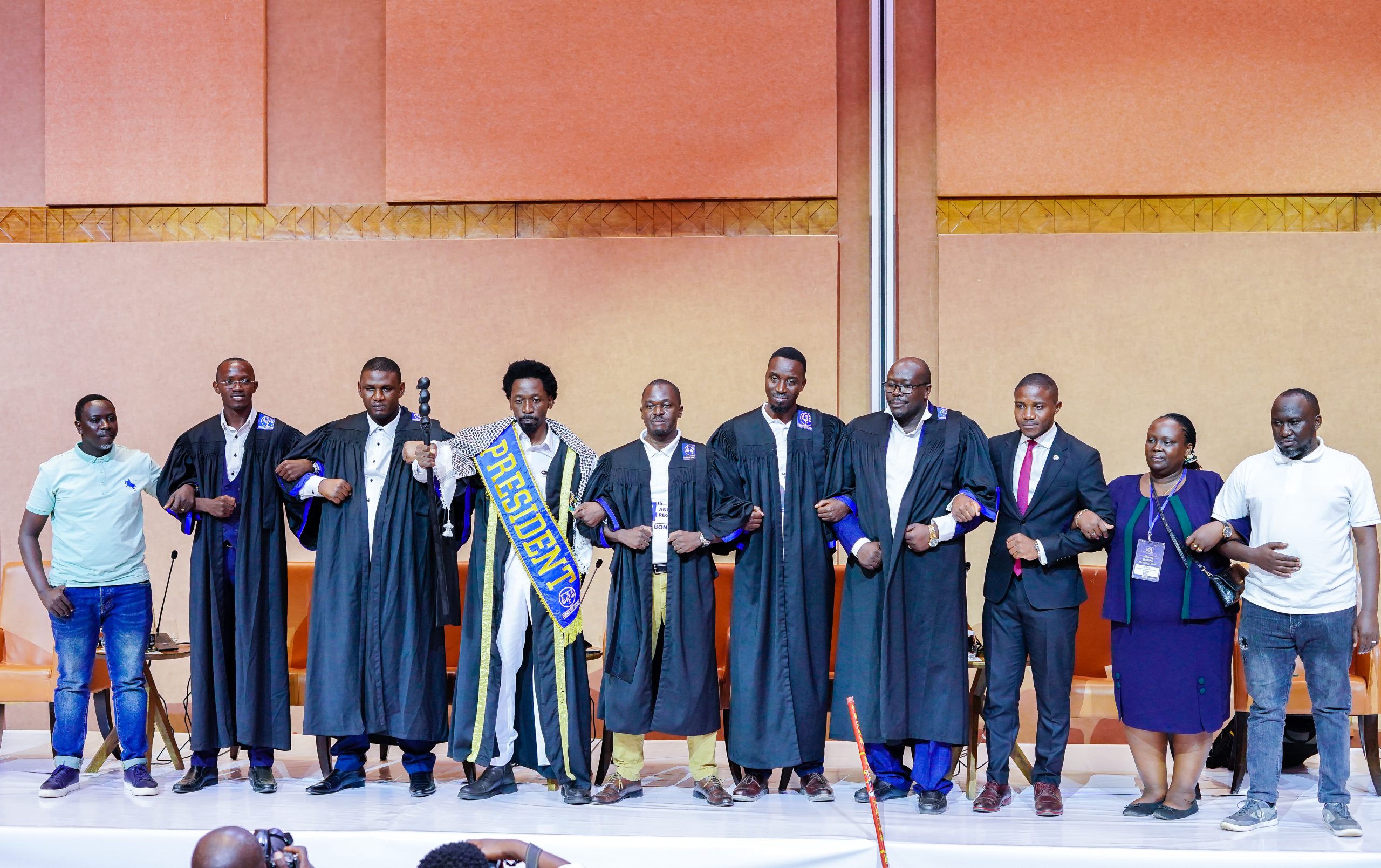
The strongest institutional response came from the Uganda Law Society, which described presidential comments on active court proceedings as an encroachment on judicial independence.
According to the Society, bail is a judicial function that cannot be dictated by executive preference.
The lawyers further argued that abolishing or restricting bail through executive policy would undermine constitutional guarantees of personal liberty and the presumption of innocence.
The Society instead urged government to address case backlog, strengthen witness protection and respect judicial independence rather than weaken existing constitutional protections.
The Political Optics
Politics often rewards memorable soundbites.
Yet Museveni’s declaration that he had been imprisoned eight times in Tanzania may ultimately become remembered less as a defence of his bail policy than as an unintended reminder of why constitutional democracies separate accusation from conviction.
His own story was that he had been imprisoned “for nothing.”
Ironically, that is precisely the circumstance constitutional safeguards such as the presumption of innocence and judicial discretion on bail were designed to address.
Whether one supports or opposes Dr. Besigye’s politics, the larger constitutional question now confronting Uganda extends far beyond one individual.
It asks whether liberty before conviction remains a judicial determination based on law, or increasingly becomes a matter shaped by executive opinion.
As Uganda continues to grapple with this debate, the Constitution—not political rhetoric—remains the ultimate referee.