Plastic Tsunami: The 10 Countries Sending the Most Waste into the World’s Oceans—and Why Every Nation Should Be Alarmed
+256 702 239 337: A plastic bottle carelessly discarded today could remain in the environment long after several generations have passed. Along the way, it may travel thousands of kilometres, break into millions of microscopic particles and ultimately return to our dinner plates through the food chain.

UgandaToday: Plastic Tsunami: The 10 Countries Sending the Most Waste into the World’s Oceans—and Why Every Nation Should Be Alarmed
By UgandaToday Environment Desk
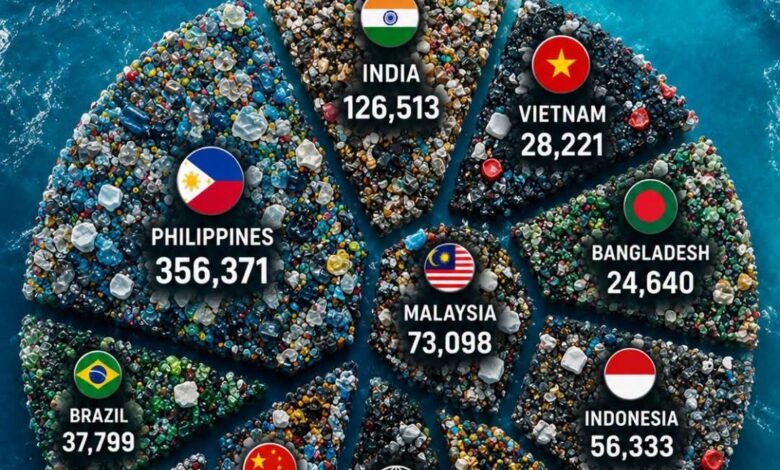
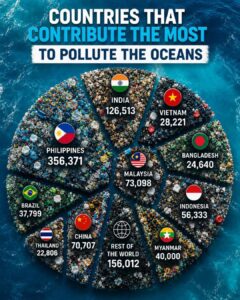
The world’s oceans are drowning in plastic at an alarming rate, with millions of metric tons of waste flowing into marine ecosystems every year. A striking infographic ranking the countries contributing the highest amounts of ocean-bound plastic pollution has reignited global concern over one of the greatest environmental crises of the 21st century.
According to the data, the Philippines tops the list, releasing an estimated 356,371 metric tons of plastic waste into the oceans annually—nearly three times more than the second-ranked country, India, which contributes approximately 126,513 metric tons.
The findings paint a sobering picture of the growing plastic crisis and underscore the urgent need for coordinated global action to protect the world’s oceans.
The World’s Biggest Ocean Plastic Polluters
The infographic identifies ten countries responsible for a significant share of plastic waste entering marine environments annually.
Top contributors include:
- Philippines – 356,371 metric tons
- India – 126,513 metric tons
- Malaysia – 73,098 metric tons
- China – 70,707 metric tons
- Indonesia – 56,333 metric tons
- Myanmar – 40,000 metric tons
- Brazil – 37,799 metric tons
- Vietnam – 28,221 metric tons
- Bangladesh – 24,640 metric tons
- Thailand – 22,806 metric tons
The rest of the world collectively contributes another 156,012 metric tons, highlighting that ocean plastic pollution is a shared global challenge rather than the responsibility of a handful of nations alone.
A Global Crisis Measured in Millions of Tons
Scientists estimate that nearly 11 million metric tons of plastic enter the world’s oceans every year.
Without decisive intervention, experts warn that this figure could increase dramatically over the coming decades as plastic production continues to rise and waste management systems struggle to keep pace.
Unlike organic materials, plastic does not simply disappear. It can remain in the environment for hundreds of years, gradually breaking down into microscopic particles rather than fully decomposing.
Marine Life Paying the Ultimate Price
Plastic pollution has become one of the greatest threats facing marine biodiversity.
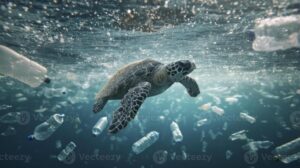
Sea turtles frequently mistake floating plastic bags for jellyfish. Seabirds ingest bottle caps and plastic fragments, believing they are food. Whales have been found with stomachs packed full of plastic debris, while discarded fishing nets continue trapping fish, dolphins and seals long after being abandoned—a phenomenon known as “ghost fishing.”
Coral reefs, already under pressure from climate change, are also being damaged as plastic debris smothers delicate ecosystems and increases the spread of disease.
The consequences ripple through entire food webs, threatening fisheries that millions of people rely on for food and livelihoods.
Microplastics: The Invisible Threat
Perhaps the most disturbing aspect of plastic pollution is what happens after larger pieces begin to break apart.
They become microplastics—tiny particles that spread throughout rivers, lakes and oceans.
These particles have now been detected in:
- Seafood
- Drinking water
- Table salt
- Agricultural soils
- Human blood
- Human lungs
- Even placental tissue
Although scientists are still studying their long-term health impacts, growing evidence suggests that microplastics could pose risks to both ecosystems and human health.
Why So Much Plastic Ends Up in the Sea
Environmental experts estimate that around 80 percent of marine plastic pollution originates from land-based sources.
Among the major causes are:
- Poor waste collection systems.
- Overflowing dumpsites and landfills.
- Illegal dumping.
- Littering.
- Rivers transporting discarded plastic into the sea.
- Rapid urbanization without matching investment in waste infrastructure.
Many developing countries face mounting pressure as growing populations generate more waste than existing systems can effectively manage.
However, responsibility does not rest solely with developing nations.
Many wealthier countries generate enormous volumes of plastic waste and have historically exported portions of it overseas for recycling or disposal. Where recycling capacity is inadequate, some of this waste leaks into the environment instead of being safely processed.
Why Africa Cannot Afford to Ignore the Crisis
Although Uganda is landlocked, the country remains closely connected to the global plastic pollution challenge.
Plastic waste entering Lake Victoria and other freshwater ecosystems eventually travels through river systems, affecting biodiversity, fisheries and water quality.
Microplastics are increasingly being detected in freshwater environments worldwide, demonstrating that plastic pollution is no longer just an ocean issue but one that affects inland communities as well.
For Uganda, strengthening waste management, promoting recycling and reducing single-use plastics could play an important role in protecting both public health and vital freshwater ecosystems.

Can the Tide Be Turned?
Environmental experts believe the crisis is reversible—but only through coordinated international action.
Among the most effective solutions are:
- Expanding efficient waste collection systems.
- Investing in modern recycling infrastructure.
- Reducing dependence on single-use plastics.
- Promoting biodegradable and reusable alternatives.
- Encouraging responsible consumer behaviour.
- Supporting innovation in sustainable packaging.
- Financing large-scale river and coastal cleanup programmes.
- Strengthening international agreements on plastic pollution.
Governments, manufacturers, retailers and consumers all have a role to play in reducing the amount of plastic entering the environment.
Every Piece of Plastic Matters
The infographic serves as more than a ranking of countries—it is a stark reminder of humanity’s collective responsibility.
A plastic bottle carelessly discarded today could remain in the environment long after several generations have passed. Along the way, it may travel thousands of kilometres, break into millions of microscopic particles and ultimately return to our dinner plates through the food chain.
Protecting the world’s oceans will require more than cleanup campaigns. It will demand better policies, smarter production systems, responsible consumption and a shared commitment from every nation.
The future of marine life—and ultimately human health—depends on the choices the world makes today.