Uganda Tightens Ebola Border Controls As Regional Health Concerns Mount
+256 702 23 93 37: The renewed restrictions come less than three months after Uganda declared its Bundibugyo Ebola outbreak over, highlighting the continuing public health risks posed by cross-border movement in the Great Lakes region

UgandaToday: Uganda Tightens Ebola Border Controls As Regional Health Concerns Mount
Uganda Today | Topical News Feature
KAMPALA, Uganda — Uganda has introduced stricter border health measures, including mandatory 21-day quarantine for citizens returning from the Democratic Republic of Congo (DRC), as authorities intensify efforts to prevent the reintroduction of Ebola amid renewed regional concerns.
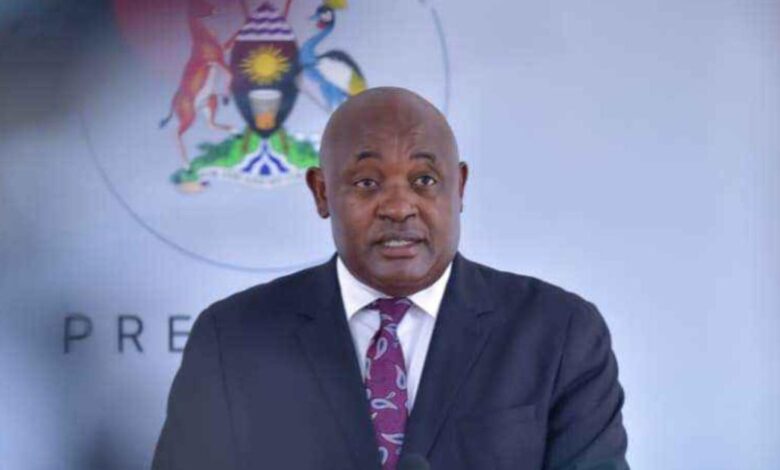
The measures, announced by Health Minister Dr Chris Baryomunsi on Sunday, October 25, 2026, include enhanced screening at Entebbe International Airport and land border crossings, health checks for arriving travellers and the completion of passenger locator forms.
The government has also indicated that non-essential Congolese travellers may be returned at their own expense, while people entering the country illegally risk prosecution.
The renewed restrictions come less than three months after Uganda declared its Bundibugyo Ebola outbreak over, highlighting the continuing public health risks posed by cross-border movement in the Great Lakes region.

Why Uganda Has Reintroduced Tougher Measures
Uganda’s latest action follows concerns surrounding Ebola cases reported in neighbouring countries and investigations into the possible travel links associated with infections outside the DRC.
According to Reuters, a Kenyan national who travelled from the DRC through Entebbe International Airport to Nairobi became the first reported patient in Kenya’s current Ebola cluster. The patient died on October 5, prompting heightened attention to regional surveillance and cross-border health coordination.
Authorities are also investigating the circumstances surrounding a Nigerian case involving a woman whose movements reportedly included Uganda. However, the precise route of transmission has not been conclusively established publicly, and Uganda’s authorities have disputed suggestions that infection necessarily occurred within the country.
These distinctions are important. Travel through a country does not, by itself, establish where an individual contracted an infectious disease.
The Ministry of Health has issued public updates on the investigation and Uganda’s preparedness measures, including statements dated October 20, October 23 and October 25.
Uganda Had Declared Its Outbreak Over
The current precautions follow a significant achievement in Uganda’s public health response.
The World Health Organization and Africa Centres for Disease Control and Prevention announced on August 27, 2026, that Uganda’s Bundibugyo Ebola outbreak had ended after the country completed the required 42-day period without a new confirmed case following the discharge of the last patient.
Uganda had reported 20 confirmed cases during the outbreak, including 15 imported cases and five locally acquired infections. Eighteen patients recovered, while two died.
More than 800 contacts were identified and monitored during the response.
The WHO attributed the containment effort to early case detection, contact tracing, isolation and clinical care, infection prevention, community engagement and stronger surveillance at health facilities and border entry points.
The new restrictions therefore represent renewed vigilance against imported infections, rather than evidence that Uganda’s previous outbreak has automatically resumed.

Entebbe Airport And Land Borders In The Spotlight
Uganda’s geographical position makes border surveillance particularly important. The country maintains extensive social, commercial and family connections with communities in the DRC, where population movement is essential to everyday life.
Entebbe International Airport is a major international gateway, while land crossings in western and northern Uganda serve traders, transporters, workers, students and families travelling between the two countries.
During the 2026 outbreak, Uganda expanded screening to 38 priority entry and exit sites, with support from the WHO and the International Organization for Migration.
The screening system has included temperature checks, traveller declarations, recording of travel histories and referral of people with possible symptoms for further assessment.
Such measures can improve early detection, but screening alone cannot identify every infection. Health authorities must also maintain effective follow-up, rapid testing, adequate isolation facilities and reliable communication with communities.
The Economic Cost Of Border Restrictions
Although public health protection is the immediate priority, stricter travel measures can have economic consequences.
Cross-border traders, transport operators, market vendors, hospitality businesses and small-scale service providers depend on the movement of people and goods. Additional travel requirements may increase costs, delay journeys and reduce customer traffic for businesses operating near border crossings.
Uganda experienced some of these pressures during its earlier outbreak response. In a July 2026 account, the WHO documented how screening operations at the Arua border affected the daily environment of traders and vendors whose livelihoods depend on cross-border movement.
The latest quarantine requirements could create further logistical and financial challenges for returning citizens and their families, particularly where accommodation, transport and lost working days are involved.
The government should therefore communicate clearly who must undergo quarantine, where it will take place, how the costs will be handled and what procedures apply to people who cannot afford the arrangements.
Public health measures are more likely to command public confidence when they are transparent, proportionate and consistently enforced.
Regional Cooperation Is Essential
Uganda cannot manage the risk of imported Ebola infections through domestic controls alone.
The DRC, Uganda, Kenya and other countries in the region need coordinated surveillance, rapid exchange of information, laboratory capacity, contact tracing and agreed procedures for referring suspected cases.
The WHO has emphasised that countries should strengthen preparedness and cross-border coordination while avoiding unnecessary disruption to international travel and trade.
For Uganda, this means combining effective border checks with timely communication between health authorities, transport operators, local leaders and communities on both sides of the border.
Travellers should receive clear information about the measures they must follow, while suspected cases should be handled through established public health procedures rather than public speculation or discrimination.
What Travellers And The Public Should Know
People travelling to and from the DRC should check the latest official guidance from Uganda’s Ministry of Health and relevant border authorities before departure.
Anyone who develops symptoms compatible with Ebola after a possible exposure should seek urgent medical advice and disclose their travel history. They should contact health professionals before arriving at a crowded facility, so that appropriate precautions can be arranged.
Symptoms can include fever, fatigue, muscle pain, headache, sore throat, vomiting, diarrhoea and, in some cases, unexplained bleeding. These symptoms can also occur in other illnesses, so they do not establish an Ebola diagnosis on their own.
The public should rely on official health updates and avoid circulating unverified claims about suspected patients or alleged transmission routes.
A Test Of Preparedness And Public Trust
Uganda’s latest Ebola precautions are a reminder that declaring an outbreak over does not eliminate the possibility of future imported infections.
The immediate challenge is to maintain vigilance without creating unnecessary panic or imposing avoidable burdens on legitimate travellers and businesses.
The effectiveness of the new measures will depend not only on border screening, but also on transparent implementation, timely testing, adequate health facilities and cooperation with neighbouring countries.
For the public, the central message is clear: Uganda is strengthening its defences against a renewed Ebola threat, and accurate information, early reporting of symptoms and cooperation with health authorities remain essential.
Sources: Uganda Ministry of Health; World Health Organization; Reuters, October 25, 2026.
#UgandaToday #Uganda #EbolaPreparedness #PublicHealth #GreatLakesRegion #PhoenixNewsFeeds