
Uganda Urged to Safeguard Indigenous Vegetables as Global Study Warns of Shrinking Crop Diversity
+256 702 239 337: "Protecting vegetable diversity today is an investment in healthier people, resilient farming systems and sustainable food security for future generations."


UgandaToday: Uganda Urged to Safeguard Indigenous Vegetables as Global Study Warns of Shrinking Crop Diversity
By Uganda Today Reporter
Researchers warn that disappearing traditional vegetables could threaten food security, nutrition and climate resilience
Uganda has been urged to strengthen efforts to conserve and promote indigenous vegetables following the release of a major international study warning that the world is becoming increasingly dependent on a small number of commercially grown vegetable crops while traditional vegetables and their wild relatives continue to disappear.
The study, conducted by the World Vegetable Center (WorldVeg), the Crop Trust and several international partners, says the loss of vegetable biodiversity is not only eroding healthy diets but also weakening agriculture’s ability to withstand the growing effects of climate change.
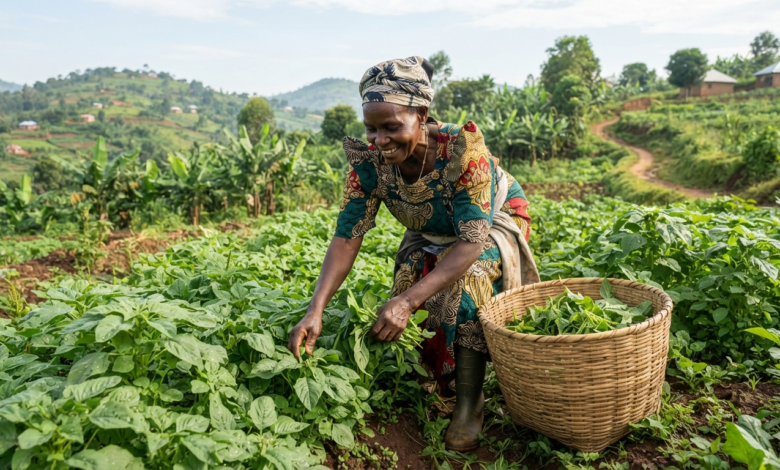
For Uganda—a country blessed with a rich diversity of indigenous vegetables such as Nakati, Ddodo, boo, Ebbugga, Malakwang and numerous traditional leafy greens—the findings present both a warning and an opportunity to protect crops that have nourished communities for generations.
Traditional Vegetables Hold the Key to Better Nutrition
Nutrition experts say indigenous vegetables are among the most affordable sources of vitamins, minerals, dietary fibre and antioxidants, making them essential in combating malnutrition and micronutrient deficiencies.
Despite their nutritional value, changing lifestyles, urbanisation and the expansion of commercial agriculture have seen many traditional vegetables gradually replaced by a few high-demand commercial varieties.
The study warns that this trend is reducing dietary diversity at a time when healthier eating has become more important than ever.
According to the United Nations, more than one in every three people worldwide cannot afford a healthy diet, making it imperative for governments and development partners to improve access to affordable, nutritious foods—including vegetables.
For many Ugandan households, particularly in rural communities, indigenous vegetables remain an inexpensive and readily available source of essential nutrients.
Climate Change Makes Crop Diversity More Important Than Ever
Agricultural scientists say preserving vegetable diversity is also critical in the fight against climate change.
Many indigenous vegetables possess natural traits that enable them to tolerate drought, resist pests and diseases, and thrive under harsh environmental conditions.
These characteristics make them valuable genetic resources for developing improved vegetable varieties capable of coping with rising temperatures, prolonged dry spells, flooding and emerging crop diseases.
With Uganda’s agriculture increasingly affected by erratic rainfall and prolonged droughts, experts believe conserving local vegetable species could strengthen farmers’ resilience while safeguarding future food production.
Vegetables4Life Initiative Seeks Global Solutions
To reverse the decline in vegetable biodiversity, researchers have launched Vegetables4Life, a global initiative led by the World Vegetable Center and co-led by the Crop Trust.
The initiative brings together governments, agricultural research institutions, seed banks, universities, development agencies and farming communities to conserve vegetable genetic resources while promoting their sustainable use.
Its objectives include improving nutrition, strengthening climate-resilient farming systems, supporting sustainable livelihoods and ensuring future generations continue benefiting from a diverse range of vegetable crops.
The programme also seeks to encourage research into neglected and underutilised vegetables whose nutritional and economic potential remains largely untapped.
Uganda Well Positioned to Lead
Uganda already possesses institutions capable of supporting vegetable conservation, including the National Agricultural Research Organisation (NARO), universities and community seed initiatives working to preserve indigenous crop varieties.
Agricultural experts say increased investment in seed conservation, farmer education, research and value addition could transform indigenous vegetables into profitable enterprises while improving national nutrition.
Promoting traditional vegetables in schools, urban markets, restaurants and supermarkets could also create new economic opportunities for farmers while preserving Uganda’s rich agricultural heritage.
Protecting Biodiversity is Protecting the Future
Researchers say conserving vegetable diversity is no longer simply an environmental issue but a public health, economic and food security priority.
Every traditional vegetable that disappears represents the loss of unique genetic traits that could prove invaluable in developing crops capable of feeding future generations under increasingly challenging climatic conditions.
As Uganda pursues agricultural transformation and improved household nutrition, experts argue that safeguarding indigenous vegetables should become a national priority.
The message from the study is unequivocal: the future of healthy diets, resilient agriculture and sustainable livelihoods depends not only on increasing food production but also on protecting the remarkable diversity of crops that nature has provided.
About the Study
The findings were published by the World Vegetable Center (WorldVeg), the Crop Trust and international research partners. The study highlights the growing global dependence on a limited number of vegetable crops and calls for coordinated international action to conserve vegetable biodiversity. Through the Vegetables4Life initiative, the partners aim to safeguard vegetable genetic resources for healthier diets, climate-resilient agriculture and sustainable livelihoods worldwide.
“Protecting vegetable diversity today is an investment in healthier people, resilient farming systems and sustainable food security for future generations.”