Uganda Dispatches 40 Doctors to DRC as Ebola Threat Intensifies Along Border
+256 702 239 337: Officials at the Ministry of Health say the Ugandan contingent will support surveillance, laboratory services, treatment centers, infection prevention measures, and emergency response coordination in some of the hardest-hit areas of eastern DRC.

UgandaToday: Uganda Dispatches 40 Doctors to DRC as Ebola Threat Intensifies Along Border
By Uganda Today Reporter
KAMPALA – Uganda has deployed 40 medical doctors and health specialists to the Democratic Republic of Congo (DRC) to reinforce efforts aimed at containing the rapidly spreading Ebola outbreak that has already spilled across borders and raised alarm among regional health authorities.
The deployment comes amid growing fears that the outbreak, caused by the rare Bundibugyo strain of the Ebola virus, could escalate into one of Africa’s most challenging public health emergencies in recent years.
Officials at the Ministry of Health say the Ugandan contingent will support surveillance, laboratory services, treatment centers, infection prevention measures, and emergency response coordination in some of the hardest-hit areas of eastern DRC.
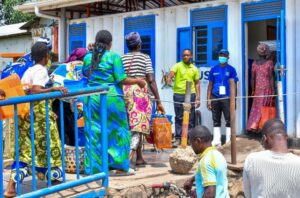
The move underscores Uganda’s long-standing role as a regional leader in epidemic response and reflects growing concern over the porous border shared by the two countries.
Uganda Steps Forward to Support Regional Containment
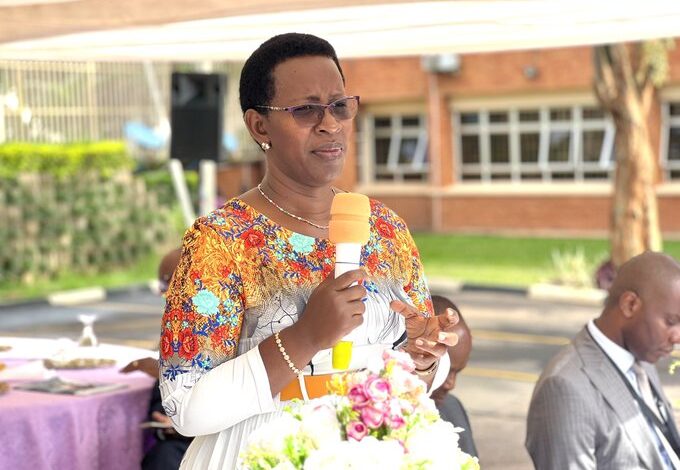
Speaking during recent Ebola response engagements, Ministry of Health Permanent Secretary Dr. Diana Atwine emphasized that Uganda’s safety is directly tied to the success of efforts in neighboring DRC.
According to Dr. Atwine, Uganda cannot afford to focus solely on domestic preparedness while the outbreak continues raging across the border.
“We also have to support the other side because the problem is bigger there, and we will continue to experience spillover if the outbreak is not controlled,” Dr. Atwine said.
She further revealed that Uganda and DRC health authorities have been discussing the establishment of laboratories and temporary isolation facilities within affected Congolese communities to facilitate quicker diagnosis and treatment.
The deployment of the 40 doctors is understood to be part of a broader regional strategy involving coordinated surveillance, treatment, laboratory strengthening, and community engagement.
Ebola Cases Continue to Rise
The latest reports from international health agencies indicate that the outbreak continues to expand.
The World Health Organization (WHO) recently reported hundreds of confirmed Ebola cases in DRC, while Uganda has also registered infections and fatalities linked to the outbreak. The disease has already crossed into Uganda, prompting heightened surveillance and emergency preparedness measures.
WHO Director-General Dr. Tedros Adhanom Ghebreyesus has warned that the outbreak went undetected for several weeks and requires urgent international action to prevent further spread.
Dr. Atwine: “No One Is Safe Until Everyone Is Safe”
In defending Uganda’s decision to commit medical personnel beyond its borders, Dr. Atwine stressed that Ebola is a global health security threat requiring collective action.
“No one is safe until everyone is safe,” she said while discussing regional cooperation efforts. She also reiterated Uganda’s commitment to ensuring the disease is contained before it gains a stronger foothold in East Africa.
Dr. Atwine previously disclosed that Uganda was prepared to send scientists and medical experts into DRC to strengthen outbreak response systems.
“Uganda will never export Ebola; that is our commitment and pledge. We must support our neighbours in putting up systems,” she noted.
Border Communities Remain Vulnerable
Health experts continue to warn that extensive movement of people through official and unofficial crossing points remains one of the biggest challenges in containing the outbreak.
The Uganda-DRC border stretches hundreds of kilometres and is crossed daily by traders, families, transporters, and migrant workers. Health authorities fear that uncontrolled movement could accelerate transmission if surveillance measures are weakened.
Uganda has already strengthened screening at border entry points while activating emergency response teams in high-risk districts.
Uganda’s Legacy in Fighting Ebola
Uganda has earned international recognition for its expertise in handling Ebola outbreaks.
The country’s medical teams have previously been deployed to assist other African nations battling the deadly disease, including Liberia during the West African Ebola epidemic.
The latest deployment of 40 doctors revives that tradition of regional solidarity and demonstrates Uganda’s determination to help halt the current outbreak before it escalates further.
As health workers head into DRC, authorities continue urging Ugandans to remain vigilant, report suspected symptoms immediately, and cooperate with surveillance teams. Suggested Feature Photos
#UgandaToday #PhoenixNewsFeeds #OperaNewsFeeds #EbolaResponse
#DRCrisis #PublicHealthSecurity