Uganda Launches Rehabilitation and Assistive Technology Strategic Plan 2030 as Rabah Wellness Centre Highlights Hope for Stroke Survivors
+256 789 481 193: Stroke remains one of the leading causes of long-term disability worldwide, often leaving survivors struggling with movement, speech coordination and daily functioning. Medical experts indicate that rehabilitation after stroke can significantly improve recovery outcomes when introduced early and sustained over time

UgandaToday: Uganda Launches Rehabilitation and Assistive Technology Strategic Plan 2030 as Rabah Wellness Centre Highlights Hope for Stroke Survivors
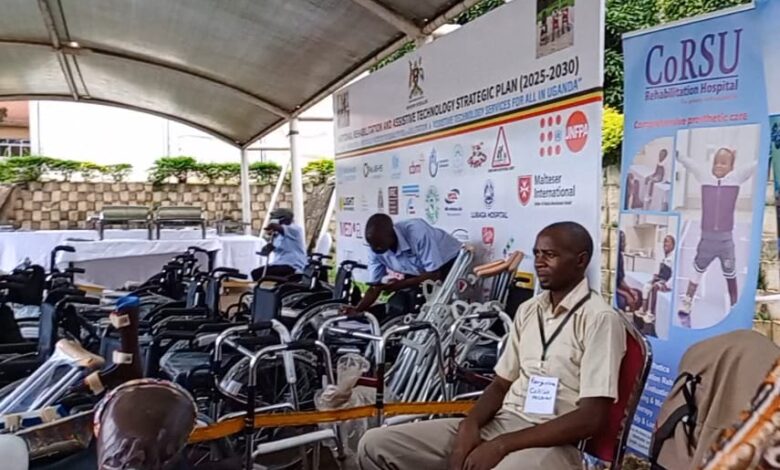
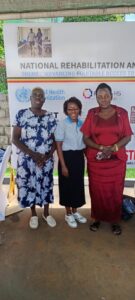
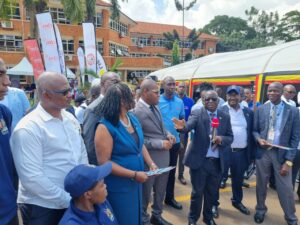
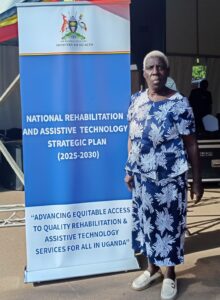
Kampala, Uganda — Uganda has taken another significant step towards strengthening healthcare services with the launch of the Rehabilitation and Assistive Technology Strategic Plan 2030 at the Ministry of Health headquarters in Kampala on May 22, 2026, under the theme: “Advancing Equitable Access to Quality Rehabilitation and Assistive Technology Services.”
The strategic initiative seeks to improve access to rehabilitation services and assistive technologies for Ugandans living with disabilities, disease-related complications, injuries and various physical deformities. During the launch, Permanent Secretary at the Ministry of Health, Diana Kanzira Atwine underscored the urgency of building a health system that restores dignity and functionality to citizens affected by both congenital and acquired conditions.
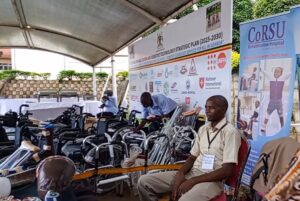
The launch marks a broader government effort to strengthen rehabilitation services as an integral part of healthcare delivery and universal health coverage in Uganda. Available Ministry of Health and rehabilitation sector reports indicate that Uganda has increasingly prioritized rehabilitation services in response to growing health burdens arising from road crashes, stroke cases, non-communicable diseases, disability and aging populations.
Rehabilitation Beyond Survival
Speaking at the event, Dr. Atwine emphasized that treatment alone should no longer be viewed as the end of healthcare intervention.
She noted that many Ugandans survive illnesses and traumatic conditions but are often left with physical challenges that affect their quality of life, productivity and independence. Rehabilitation, she observed, remains essential in helping patients regain mobility, confidence and meaningful participation in society.
Health experts have repeatedly argued that rehabilitation should be embedded at all levels of healthcare, from community-based services to specialized facilities, ensuring that citizens are not abandoned after initial treatment. Uganda’s ongoing health sector planning similarly places rehabilitation among critical health priorities.
Rabah Wellness Centre Giving Stroke Patients a New Lease of Life
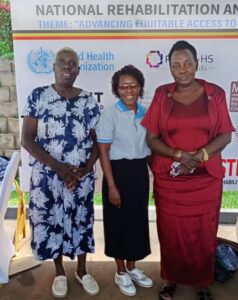
As the country advances its rehabilitation agenda, private health and wellness institutions are increasingly emerging as key players in complementing government efforts.
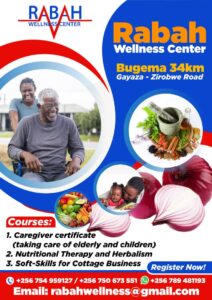
Among these is Rabah Wellness Centre, which has increasingly positioned itself as a center supporting individuals recovering from stroke and other mobility-related health complications.
Stroke remains one of the leading causes of long-term disability worldwide, often leaving survivors struggling with movement, speech coordination and daily functioning. Medical experts indicate that rehabilitation after stroke can significantly improve recovery outcomes when introduced early and sustained over time.
Rabah Wellness Centre has been supporting patients through wellness interventions and health products aimed at improving rehabilitation journeys and assisting stroke survivors as they work towards regaining body function and independence. Such interventions continue to provide renewed hope to patients and families navigating the long and often difficult road to recovery.
Rachel Babirye Aliddeki director at Rabah Wellness Centre, maintains that rehabilitation does not only focus on restoring movement but also on improving emotional well-being, social reintegration and overall quality of life. Rabah Wellness Centre, works in partnership with Uganda Home of Older Persons to provide services, pertaining to nutrition and valuable exercises to promote healthy active ageing.
A Future Built on Inclusive Healthcare
The newly launched strategic plan is expected to guide policy implementation, resource allocation and expansion of rehabilitation services across Uganda up to 2030.
Stakeholders believe that if effectively implemented, the plan could bridge longstanding gaps in access to assistive devices, rehabilitation professionals and specialized services, especially for vulnerable communities in rural areas.
For many Ugandans living with disabilities, stroke-related complications and physical impairments, the initiative represents more than a government document; it symbolizes hope for a future where quality rehabilitation services are accessible to all regardless of geography or economic status.
Uganda’s rehabilitation framework has also been developed with support from global health partners and aims to strengthen national systems for rehabilitation data, planning and service delivery.
#UgandaToday #PhoenixNewsFeeds #OperaNewsFeeds #Rehabilitation2030 #StrokeRecovery #HealthForAll