
Uganda Food Safety Alert: Beware Of Poisonous Rubber Seeds Mixed With Beans
+256 702 23 93 37: According to the ministry's alert, the suspect seeds come from the rubber tree, scientifically known as Hevea brasiliensis. They are not ordinary edible beans and may expose unsuspecting consumers to toxic compounds if accidentally eaten.

UgandaToday: Uganda Food Safety Alert: Beware Of Poisonous Rubber Seeds Mixed With Beans
UGANDA TODAY | HEALTH & FOOD SAFETY | 26 OCTOBER 2026

Uganda Food Safety Alert: Beware Of Poisonous Rubber Seeds Mixed With Beans
By Uganda Today Reporter
Ugandans have been urged to exercise greater caution when buying and preparing beans following a food safety warning from the Ministry of Agriculture, Animal Industry and Fisheries (MAAIF) over reports of potentially poisonous rubber tree seeds being mixed with beans sold in local markets, particularly in Agago District in northern Uganda.
The warning raises concerns about food safety, consumer protection and the responsibility of traders and market authorities to ensure that food reaching households is safe for consumption.
According to the ministry’s alert, the suspect seeds come from the rubber tree, scientifically known as Hevea brasiliensis. They are not ordinary edible beans and may expose unsuspecting consumers to toxic compounds if accidentally eaten.
The ministry says it has received complaints and verified evidence of the seeds being found mixed with beans. Consumers have consequently been advised to inspect their purchases carefully and avoid cooking any produce suspected of contamination.
How To Identify The Suspicious Seeds
The most important precaution is learning to distinguish the suspect seeds from ordinary beans before buying or cooking them.
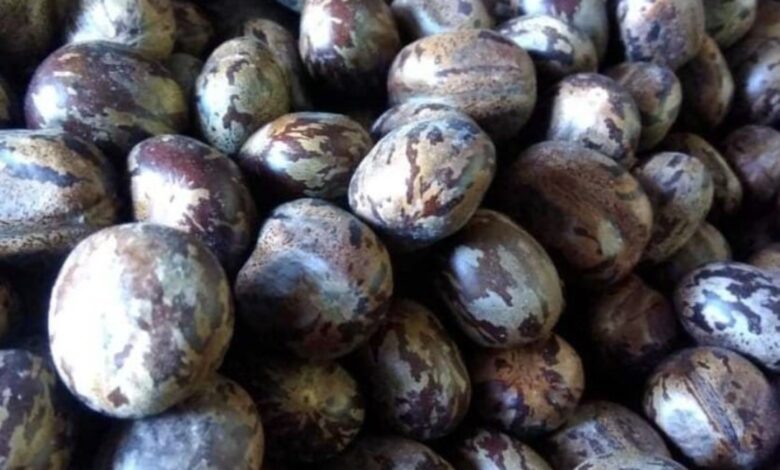
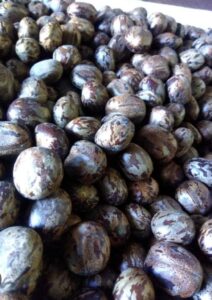
MAAIF describes the rubber tree seeds as generally round or marble-like, with shiny greyish-white, cream or brown surfaces marked by dark brown or black spots and stripes. They may also have a small whitish mark where they were attached to the pod.
Ordinary beans, by contrast, commonly have a kidney-like, oval or other characteristic bean shape, depending on the variety.
Consumers should not rely on colour alone. Beans naturally vary in colour and appearance, so any unfamiliar, unusually rounded seeds should be separated and checked rather than assumed to be harmless.
Why The Seeds Could Be Dangerous
Rubber tree seeds are not suitable for ordinary household consumption without specialised processing. Research has documented cyanide-related compounds in these seeds, while MAAIF warns that eating them may cause poisoning.
Cyanogenic glycosides are natural plant compounds that can release cyanide under certain conditions. The severity of poisoning depends on factors including the quantity consumed and the amount of toxin present.
Possible symptoms include severe abdominal pain, vomiting, dizziness, headache, weakness and diarrhoea. Serious cyanide poisoning can become life-threatening.
Children deserve particular attention because an accidental exposure may have serious consequences. The ministry has also warned of potential harm to animals, including chickens and pigs, if they consume substantial quantities.
Households should not assume that cooking suspect seeds together with beans will make them safe. The appropriate response is to prevent the seeds from entering the cooking pot in the first place.
What Consumers Should Do Before Buying Beans
Consumers are encouraged to spread beans on a clean, flat surface and inspect them carefully before completing a purchase.
Where possible, buyers should choose reputable traders who properly clean and sort their produce. If suspicious seeds are visible, they should ask the seller to explain the contamination and avoid buying the affected lot until its safety has been established.
However, even a clean-looking sample does not guarantee that an entire sack is free of foreign material.
What To Do Before Cooking
Before cooking beans, households should spread them on a table, tray or large plate and sort them thoroughly under good lighting.
Remove unfamiliar round seeds, stones, debris and damaged or otherwise suspicious material. Wash the beans with clean water after sorting.
If the beans contain unidentified seeds or contamination cannot confidently be ruled out, do not cook or eat them. Set the batch aside and seek guidance from an agricultural extension worker or an appropriate public health authority.
Washing alone should not be regarded as a reliable way of removing toxins from suspect seeds.
What If Someone Has Already Eaten The Seeds?
Anyone who suspects that they or a family member has eaten the suspect seeds should seek urgent medical assessment at the nearest health centre or hospital.
Do not wait for symptoms to become severe. Where safe to do so, take a sample of the suspected seeds in a separate container to help health workers identify the material. Do not induce vomiting or attempt unverified home remedies.
If a person develops severe symptoms, including breathing difficulties, confusion, collapse or seizures, seek emergency medical assistance immediately.
Traders And Market Authorities Under Scrutiny
The warning also places responsibility on food traders, market leaders and local authorities to strengthen produce-handling practices.
Traders should clean and sort beans before sale, store food separately from non-food materials and avoid using sacks previously used for rubber seeds or other potentially contaminating products without appropriate cleaning and verification.
Market leaders, market masters, agricultural inspectors and relevant enforcement officers should support routine produce inspections and respond promptly to reports of contaminated food.
Local council leaders, parish chiefs, Village Health Teams and agricultural extension workers can also help communicate the warning to households, especially in communities where residents depend on open markets for daily food supplies.
Food Safety Requires Accountability
The reports from Agago District underline a wider challenge: protecting consumers requires more than asking households to inspect their food. It also requires effective oversight of produce handling, transportation, storage and sale.
If the mixing is deliberate, it would raise serious questions about consumer protection and possible food adulteration. However, the circumstances and responsibility for any such contamination should be established through appropriate investigation rather than assumed in advance.
Authorities should work to establish how the seeds entered the food supply, whether other markets or consignments are affected, and what measures are necessary to prevent further incidents.
The public should also be given timely updates on any confirmed findings and additional safety measures.
MAAIF Calls For Public Vigilance
MAAIF has appealed to local leaders, agricultural extension workers and Village Health Teams to spread the alert and encourage careful inspection of beans before preparation.
The message is straightforward: food safety is a shared responsibility, but contaminated food must be prevented from reaching consumers in the first place.
For now, Ugandans are advised to remain vigilant, buy from trusted traders, sort beans carefully and seek professional guidance whenever the identity or safety of suspicious seeds is uncertain.
Eat safely. Inspect your beans. Protect your family.
#UgandaToday #FoodSafety #MAAIF #PublicHealth #ConsumerProtection #Uganda