Fuel Hits Shs7,000: Why Every Ugandan Is Feeling The Pain At The Pump
+256 702 23 93 37: Petrol and diesel prices have now hit the Shs7,000-per-litre mark in parts of the country, triggering growing concern among motorists, businesses and Members of Parliament. The development comes at a particularly difficult time for households already facing higher food prices and a weakening Uganda Shilling.

UgandaToday: Fuel Hits Shs7,000: Why Every Ugandan Is Feeling The Pain At The Pump


Rising fuel prices are increasingly affecting motorists, boda boda operators, businesses and the prices of goods and services across Uganda.
Pump Prices Become A National Concern
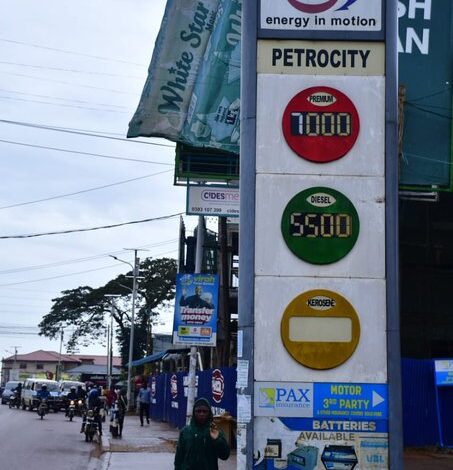
Fuel pump prices in Uganda have hit the UGX 7,000 per litre mark at multiple fuel stations across Kampala, largely driven by a weakening Ugandan Shilling, rising import costs, and global fuel market pressures. Local news outlets like the Daily Monitor and NTV Uganda have heavily covered this milestone.
- Petrocity Ntinda Price Board: You can view a photo shared by the Daily Monitor showing petrol retailing at exactly UGX 7,000 per litre at Daily Monitor on X. [1]
- Kampala Price Variations: Visual coverage showcasing the hike to 7,000 Shillings across specific local stations is hosted on the NTV Uganda Facebook Page. [1]
- DeepEarth Analysis: An breakdown of the situation along with a photo of a TotalEnergies price board creeping close to the mark can be viewed at DeepEarth International.
For millions of Ugandans, the price of fuel has become much more than a figure displayed on a petrol-station board.
It is increasingly determining how much a family spends on transport, how much a trader pays to move merchandise, how much a farmer receives for produce and, ultimately, how much consumers pay for basic necessities.
Petrol and diesel prices have now hit the Shs7,000-per-litre mark in parts of the country, triggering growing concern among motorists, businesses and Members of Parliament.
The development comes at a particularly difficult time for households already facing higher food prices and a weakening Uganda Shilling.
Government Explains The Rising Cost
Appearing before Parliament, Energy and Mineral Development Minister Dr Monica Musenero attributed the increase to several factors rather than a single cause.
She pointed to international petroleum prices, the depreciation of the Uganda Shilling, freight and insurance costs, supply-chain disruptions and taxation.
According to the minister, the Shilling weakened from approximately Shs3,790 to the US dollar at the beginning of September to about Shs4,035 by early October, adding an estimated Shs300 to the cost of a litre of fuel.
The 2026/27 financial year also brought an additional Shs200-per-litre excise duty on petrol and diesel.
That means motorists are facing a combination of international and domestic pressures.
Parliament Demands Answers From UNOC
The fuel crisis has now become a parliamentary issue.
MPs have demanded a breakdown of the price at which the Uganda National Oil Company (UNOC) supplies petroleum products to oil marketing companies.
The demand reflects a growing public question: if UNOC was established partly to strengthen Uganda’s position in the petroleum supply chain, how much protection can consumers realistically expect when pump prices surge?
Government maintains that Uganda operates a liberalised petroleum market and that it does not set a uniform retail price for every fuel station.
But this explanation is unlikely to end the public debate.
For the ordinary Ugandan, the issue is less about the mechanics of the petroleum market and more about the consequences at household level.
The Fuel Price Is Also A Food Price
Fuel does not operate in isolation.
A farmer pays to transport inputs.
A trader pays to move merchandise.
A taxi or boda boda operator pays more to keep working.
A manufacturer spends more on transportation and machinery.
A shopkeeper eventually passes some of those costs to the consumer.
That is why rising fuel prices can create a ripple effect throughout the economy.
Uganda’s annual headline inflation rose to 4.6 per cent in September 2026 from 4.1 per cent in August, with food and fuel among the major pressures.
The Real Question For Government
The immediate challenge is therefore not simply how to explain the increase.
It is how to protect ordinary Ugandans from the secondary effects.
Can transport costs be contained?
Can unnecessary margins in the fuel distribution chain be prevented?
Can strategic reserves and alternative supply routes cushion future international shocks?
Can the Shilling be stabilised?
And can government find temporary relief for the most vulnerable consumers without creating another fiscal problem?
These are questions that will increasingly determine public confidence in the country’s economic management.
For the boda boda rider, the taxi driver, the farmer, the manufacturer and the parent taking children to school, the fuel pump has become an economic barometer.
When the price at the pump rises, the cost of living rarely stays behind.
UgandaToday Editorial Note
The debate should move beyond political blame. Uganda needs a transparent petroleum pricing system in which consumers can clearly understand the cost of imported fuel, taxes, transportation, margins and the role of UNOC.
#UgandaToday #FuelPrices #CostOfLiving #UgandaEconomy #UNOC #PhoenixNewsFeeds #OperaNewsFeeds