
Amazon Fungus Offers Hope in Global Fight Against Plastic Pollution
+256 702 23 93 37: Discovery from the Amazon The fungus was identified during a Yale University expedition to Ecuador’s Yasuní National Park, one of the world’s most biodiverse ecosystems. Researchers studying endophytic fungi — microorganisms that live inside plants — isolated strains of Pestalotiopsis microspora and found that some could use polyurethane as their only source of carbon and energy. (Yale Alumni Magazine)


UgandaToday: Amazon Fungus Offers Hope in Global Fight Against Plastic Pollution
By UgandaToday Environment Desk
Deep in the lush rainforests of Ecuador’s Amazon basin, scientists have discovered a tiny organism that could one day contribute to solving one of humanity’s biggest environmental challenges — plastic waste.
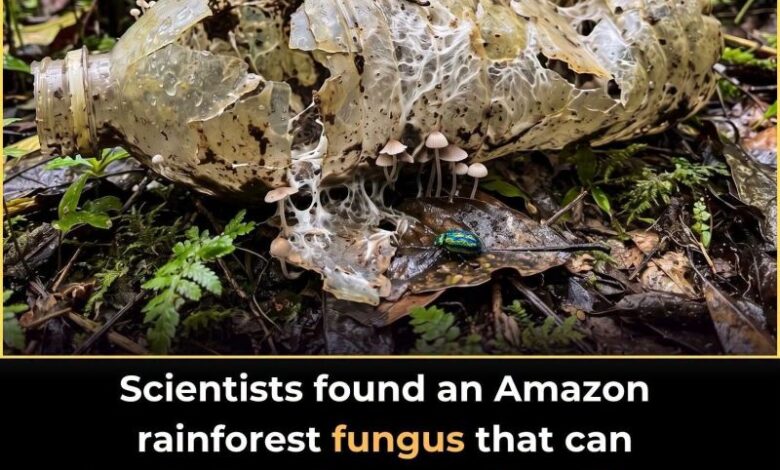
The fungus, known as Pestalotiopsis microspora, has demonstrated an extraordinary ability in laboratory tests: it can break down polyester polyurethane, a type of plastic commonly used in foams, insulation materials, footwear, furniture and many industrial products. Even more remarkable, researchers found that the fungus can survive and continue degrading plastic in low-oxygen conditions similar to those found in landfills. (ASM Journals)
While experts caution that the discovery is still in the research stage and not an immediate solution to the world’s plastic crisis, the findings offer a promising glimpse into how nature may inspire future technologies for waste management.
Discovery from the Amazon
The fungus was identified during a Yale University expedition to Ecuador’s Yasuní National Park, one of the world’s most biodiverse ecosystems. Researchers studying endophytic fungi — microorganisms that live inside plants — isolated strains of Pestalotiopsis microspora and found that some could use polyurethane as their only source of carbon and energy. (Yale Alumni Magazine)
Scientists believe special enzymes produced by the fungus break down the complex chemical bonds found in polyurethane, transforming the material into simpler compounds.
The discovery highlighted the immense potential hidden within tropical ecosystems, where countless organisms remain unknown to science.
Why Plastic Waste Matters
The world produces hundreds of millions of tonnes of plastic every year, with a significant portion ending up in landfills, rivers and oceans. Some plastics can persist in the environment for decades or even centuries, fragmenting into microplastics that threaten wildlife, ecosystems and human health.
Polyurethane, the plastic targeted by Pestalotiopsis microspora, is among the more difficult materials to degrade naturally. This makes the Amazon fungus particularly interesting to researchers seeking sustainable alternatives to conventional waste disposal methods. (Phys.org)
A Scientific Breakthrough, Not a Magic Solution
Scientists emphasize that the fungus is not a ready-made answer to global plastic pollution. The laboratory findings represent an early stage of research, and it may take years before practical industrial applications emerge.
Researchers are now studying the fungus’s enzymes and exploring whether they can be adapted for recycling systems, waste treatment plants or other forms of bioremediation. (ASM Journals)
Experts also note that the fungus has primarily shown effectiveness against polyurethane, not all forms of plastic. Therefore, reducing plastic consumption, improving recycling systems and promoting responsible waste management remain essential strategies. (Reddit)
Lessons for Uganda and Africa
For African countries grappling with growing plastic pollution, discoveries like this underline the importance of investing in environmental research, biodiversity conservation and innovative waste solutions.
Uganda has taken steps to address plastic pollution through restrictions on certain plastic products and campaigns encouraging proper waste disposal. Scientists say preserving natural ecosystems may reveal more biological solutions capable of addressing environmental challenges.
The Amazon fungus serves as a powerful reminder that nature still holds many secrets — and that some of the smallest organisms on Earth could inspire some of humanity’s biggest breakthroughs.