Uganda’s Public Debt Rises As Domestic Borrowing Expands
+256 702 23 93 37: Debt-To-GDP Ratio Also Increases Uganda’s public debt-to-GDP ratio rose from 51.3 per cent to 54.3 per cent over the period under review. External debt accounted for about 43.9 per cent of the total debt stock, with domestic borrowing increasingly playing a significant role in government financing.

UgandaToday: Uganda’s Public Debt Rises As Domestic Borrowing Expands
Debt Stock Climbs To $37.1 Billion
Uganda’s public debt has risen sharply over the past year, reaching approximately $37.1 billion by June 2026, according to figures from the Ministry of Finance reviewed by Reuters.

The debt stock increased by 14.8 per cent compared with the corresponding period a year earlier, when Uganda’s public debt stood at about $32.3 billion. The increase has been attributed largely to greater domestic borrowing to finance the government budget deficit.
The development places renewed attention on how Uganda finances public expenditure and infrastructure while attempting to maintain economic growth and debt sustainability.
Debt-To-GDP Ratio Also Increases
Uganda’s public debt-to-GDP ratio rose from 51.3 per cent to 54.3 per cent over the period under review.
External debt accounted for about 43.9 per cent of the total debt stock, with domestic borrowing increasingly playing a significant role in government financing.

The Finance Ministry has said the increased use of longer-term domestic Treasury instruments is intended to reduce refinancing and rollover risks.
Uganda introduced a 25-year Treasury bond last year, extending the maturity profile of its domestic borrowing.
Government Faces The Balancing Act
For policymakers, the central challenge is balancing the need to finance development against the cost of servicing accumulated debt.
Borrowing can provide resources for infrastructure, productive investment and public services. However, increased debt also means higher future obligations for government revenues, particularly when borrowing costs rise.
The development therefore puts greater emphasis on whether borrowed funds generate sufficient economic returns to support future debt repayments.
Fiscal Consolidation Under The Spotlight
The latest figures come as government signals an intention to gradually reduce the fiscal deficit and dependence on commercial borrowing.
The issue is particularly important as Uganda pursues its long-term economic transformation agenda and seeks to expand productive sectors capable of generating employment, exports and government revenue.
Uganda’s economic statistics agency, the Uganda Bureau of Statistics, currently projects the country’s population at about 50.26 million people in 2026, while its preliminary estimate put economic growth at 6.4 per cent for the 2025/26 financial year.
What The Numbers Mean For Ordinary Ugandans
The public debt debate is not simply a matter for economists and policymakers.
Debt affects the national budget and therefore the resources available for roads, health, education, agriculture, social protection and other public priorities.

The critical question for citizens is consequently not only how much Uganda borrows, but also what the borrowed money is used for, how efficiently it is invested and whether it produces sufficient economic value to justify the cost of borrowing.
As Uganda enters another phase of economic expansion, debt management is likely to remain one of the country’s most closely watched economic issues.
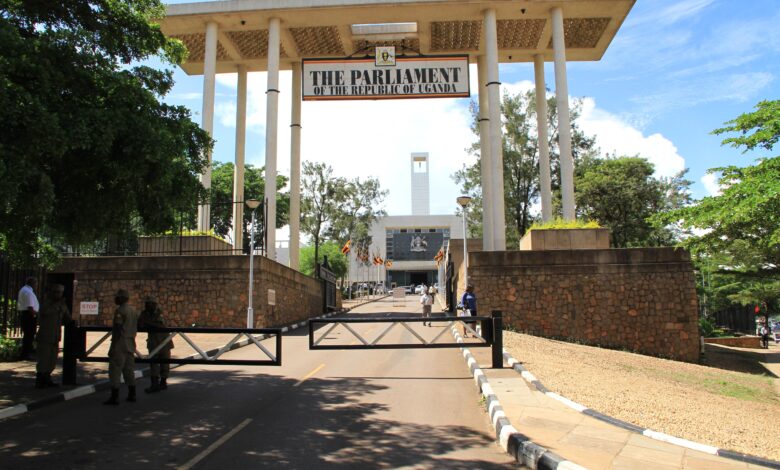
Suggested Photo Caption: Uganda’s rising public debt is putting renewed focus on government borrowing, infrastructure investment and debt sustainability. PHOTO: File.
#UgandaToday #UgandaEconomy #PublicDebt #Uganda #Finance #OperaNewsFeeds