Uganda’s Cost Of Living Warning: Inflation Climbs To 5.8% As Fuel, Food And Transport Costs Bite
+256 702 23 93 37: New economic figures expose mounting pressure on households and businesses

UgandaToday: Uganda’s Cost Of Living Warning: Inflation Climbs To 5.8% As Fuel, Food And Transport Costs Bite
By Uganda Today Business Desk
Ugandan households and businesses are facing renewed economic pressure following an increase in annual headline inflation to 5.8 per cent in October 2026, up from 4.6 per cent in September.

The latest figures, contained in the Ministry of Finance, Planning and Economic Development’s October Performance of the Economy Report released on November 22, 2026, point to rising costs across several essential expenditure categories.
The increase is particularly significant because it affects the everyday expenses of ordinary Ugandans, including food, transport, cooking supplies and business operations.
Although Uganda’s inflation rate remains relatively moderate compared with some regional economies, the latest increase is a warning that the cost-of-living challenge has not disappeared.
Food prices put households under pressure
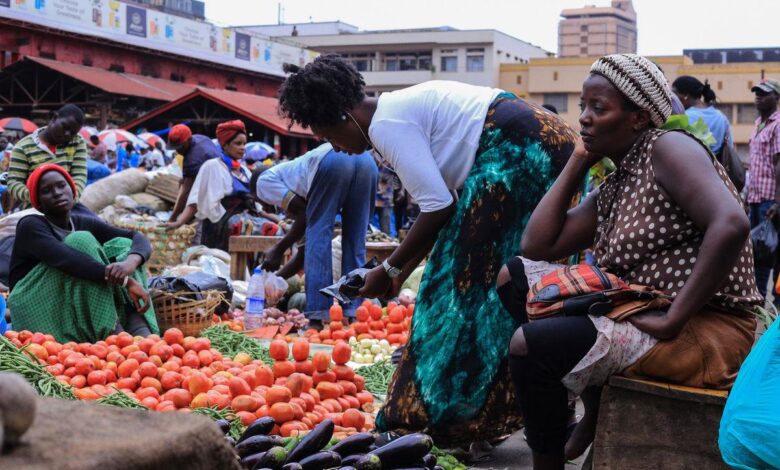
Food remains one of the most sensitive components of household expenditure.
According to the October report, annual inflation for food crops and related items increased sharply to 10.7 per cent, compared with 4.5 per cent in September.
Dry beans and sweet potatoes recorded annual price increases of 22.5 per cent and 15.1 per cent respectively.
Pineapples also registered a substantial annual price increase of 25.5 per cent.
On a month-to-month basis, prices of pineapples, matooke, sweet potatoes and tomatoes increased by 17.5 per cent, 16.2 per cent, 11.9 per cent and 7.4 per cent respectively.
Unfavourable weather conditions affecting harvests, coupled with higher transportation expenses, contributed to the pressure.
For low-income households that spend a substantial proportion of their earnings on food, these increases can significantly reduce disposable income.
Fuel and transport costs complicate the picture

The increase in fuel prices is another concern for the economy.
The national average petrol price rose by Shs132 to Shs6,774 per litre in October, while diesel increased by Shs257 to Shs7,014 per litre.
Annual diesel inflation accelerated to 49.2 per cent, while petrol inflation reached 34.3 per cent.
These increases have consequences beyond motorists.
Diesel is an important input in freight transportation, agriculture, construction and industrial production.
When the cost of moving goods increases, businesses often adjust their selling prices to protect their margins.
Consumers consequently end up paying more for commodities that may have been produced or imported at lower costs.
Transport fares also came under pressure, with annual special-hire taxi fares increasing by 30.5 per cent.
The Shilling’s depreciation adds another challenge
Uganda’s currency experienced significant pressure during October.
The Ministry of Finance report indicates that the Shilling depreciated by 7.8 per cent against the US dollar, with the average exchange rate moving from Shs3,868.87 to Shs4,170.48 per dollar.
The depreciation was attributed to reduced foreign exchange inflows, lower international prices for agricultural exports, particularly coffee, and reduced tourism earnings.
Higher demand for dollars to finance imports, particularly petroleum products, also contributed.
For businesses importing machinery, electronics, pharmaceuticals, industrial inputs and consumer goods, a weaker Shilling means more local currency is required to purchase the same merchandise.
This creates a difficult operating environment for businesses that have limited capacity to absorb additional costs.
Business activity is expanding, but confidence is moderating

Despite the inflationary pressure, the economy has not come to a standstill.
The Purchasing Managers’ Index (PMI) stood at 50.9 in October, remaining above the 50-point threshold that separates expansion from contraction.
The Business Tendency Index also remained positive at 53.5.
However, both indicators declined compared with September.
More concerning is that the Ministry’s report indicates that business output declined for the first time in 21 months, with businesses attributing the slowdown partly to rising production costs.
Wholesale trade, construction and services also registered declines in output.
This suggests that while businesses are still operating in an expanding economic environment, the pace of activity is becoming more difficult to sustain.
What this means for ordinary Ugandans
The latest inflation figures should remind policymakers that economic growth must translate into improved purchasing power.
An economy can record positive growth while individual households continue struggling to afford basic necessities.
Government should therefore strengthen agricultural productivity, improve food storage and distribution systems, address transport bottlenecks and maintain a stable macroeconomic environment.
The private sector also needs predictable policies, affordable financing and reliable infrastructure to remain competitive.
Uganda’s economic challenge is no longer simply about producing more. It is about ensuring that production, trade and investment translate into affordable goods, sustainable employment and better living standards.
The real test of economic progress is not just how much the economy grows, but how much ordinary Ugandans can afford.#UgandaToday #UgandaBusiness #Inflation #CostOfLiving #UgandaEconomy #BankOfUganda