The Burning Of Wandegeya Police Barracks: A Wake-Up Call On Police Welfare
+256 702 23 93 37: The Wandegeya Fire: Investigate The Cause, Address The Risks The precise cause of the Wandegeya fire should be established through an official investigation. Although electrical faults have been suggested as a possible cause, that possibility should not be treated as a confirmed finding until the relevant authorities have completed their investigations.

UgandaToday: The Burning Of Wandegeya Police Barracks: A Wake-Up Call On Police Welfare

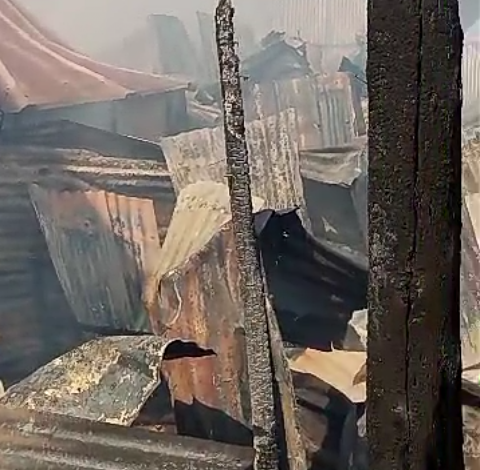
The fire that gutted Wandegeya Police Barracks should be more than a story of destroyed iron sheets, burnt household belongings and displaced families. It should serve as a national wake-up call on the welfare, safety and dignity of Uganda’s police officers.
The incident raises important questions for Parliament, the Government, the Uganda Police Force and the wider public: How safe are the homes of the officers entrusted with protecting the country? What happens to their families when disaster strikes? And what practical steps are being taken to ensure that police officers live in decent, secure accommodation?
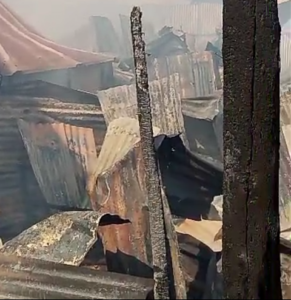
As the saying goes, “You cannot hide smoke when the house is burning.” The fire at Wandegeya has brought renewed attention to the challenges of police accommodation that deserve urgent and sustained attention.
Police Officers Protect The Nation, But Who Protects Their Welfare?
The Uganda Police Force plays a critical role in maintaining law and order. Police officers protect public institutions, including Parliament, courts, ministries, schools and financial institutions. They patrol roads, respond to emergencies, investigate crimes and safeguard communities, often working long hours and under difficult conditions.
Yet behind the uniform is a human being with a family, children, personal responsibilities and a need for a safe place to call home.
Where do these officers return after a demanding shift? What conditions do their spouses and children endure? Do their children have adequate space to sleep, study and grow up in a healthy environment?
These questions are essential to any serious discussion about national security.
Inadequate housing, overcrowding, deteriorating structures and potentially unsafe electrical installations are among the concerns that warrant examination wherever police families live in substandard accommodation.
A police officer’s welfare should not be treated as a secondary consideration. The safety and well-being of officers and their families are important components of an effective, professional and motivated police service.
The Wandegeya Fire: Investigate The Cause, Address The Risks
The precise cause of the Wandegeya fire should be established through an official investigation. Although electrical faults have been suggested as a possible cause, that possibility should not be treated as a confirmed finding until the relevant authorities have completed their investigations.
Nevertheless, the incident highlights the importance of inspecting electrical installations, assessing the condition of residential buildings and ensuring that appropriate fire-prevention measures are in place.
Iron-sheet structures can become uncomfortably hot in Uganda’s warm weather, while overcrowded living spaces can make evacuation difficult during emergencies. Faulty wiring, where present, can create additional risks.
The Government should therefore consider a comprehensive safety assessment of police accommodation across the country.
Such an exercise should examine electrical wiring, structural integrity, access to firefighting equipment, emergency exits, water and sanitation facilities, and the availability of safe evacuation routes.
The Ministry responsible for energy, relevant building and fire-safety authorities, Parliament and the Uganda Police Force should work together to establish the facts surrounding the Wandegeya incident and prevent similar tragedies.
The objective should be clear: identify the risks, correct the deficiencies and ensure that officers and their families are not unnecessarily exposed to preventable dangers.
What Does Decent Police Accommodation Look Like?
Decent accommodation is not a luxury reserved for senior officials or a privilege that should be considered only when public resources are abundant. It is an important part of the welfare of people whose work places them at the service of the nation.
Four fundamental considerations should guide efforts to improve police housing.
1. Safety
Police residences should have sound electrical installations, structurally secure buildings, appropriate fire extinguishers and clearly identified escape routes. Regular inspections and timely maintenance should be mandatory.
2. Dignity
Families need living spaces that provide reasonable privacy and allow children to sleep, study and develop in a suitable environment. Overcrowding should be addressed through planned housing improvements.
3. Health And Sanitation
Proper ventilation, reliable access to clean water, functional toilets, sound roofs and adequate waste-management facilities are essential to healthy living conditions.
4. Morale And Professional Performance
An officer who is confident that his or her family is safe at home is better placed to concentrate on professional responsibilities. While good housing alone cannot eliminate misconduct or guarantee effective policing, appropriate welfare support can contribute to morale and institutional stability.
The principle is simple: If we expect people to serve the nation effectively, we must also take their basic welfare seriously.
Same Speed, Same Energy: Accountability Must Include Welfare
Public officials are right to demand accountability from police officers. Allegations of corruption, abuse of authority and misconduct must be investigated, and officers found responsible should face appropriate disciplinary or legal action.
However, accountability should not be a one-way street.
The same determination demonstrated when addressing police misconduct should also be evident in tackling poor working and living conditions within the force.
The Inspectorate of Government has a mandate to address corruption and other forms of abuse within public institutions. Its work, alongside that of other oversight bodies, should be complemented by effective measures to ensure that public resources intended for police welfare are properly managed and that housing projects deliver value for money.
Parliament, for its part, should examine the adequacy of funding for police accommodation, maintenance and fire-safety improvements.
Where additional resources are necessary, they should be supported by credible needs assessments, transparent procurement and clear implementation timelines.
It is not enough to criticise police officers when they make mistakes. Leaders must also demonstrate commitment to the conditions under which officers work and the families they leave behind when reporting for duty.
The same energy used to demand accountability must also be applied to improving welfare.
Immediate Support For Families Affected By The Fire
For the families affected by the Wandegeya fire, the immediate concern is not policy debate but recovery.
A household fire can destroy mattresses, clothing, cooking utensils, furniture, schoolbooks, uniforms, important documents and other possessions accumulated over many years. For children, the experience can also cause fear, anxiety and emotional distress.
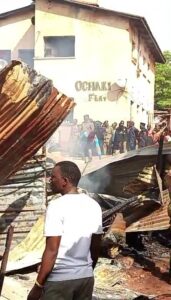
The Government and relevant authorities should consider a coordinated support package covering the following areas:
Emergency accommodation: Provide safe, decent temporary shelter while affected families determine their next steps.
Medical assistance: Ensure that anyone injured in the incident receives prompt and appropriate medical attention, with necessary support provided in accordance with applicable arrangements.
Compensation and relief: Assess the losses suffered by affected households and provide assistance through an accountable process, subject to established government procedures and eligibility requirements.
Psychosocial support: Make counselling and other appropriate support available, particularly to children and families experiencing distress after the incident.
Education support: Help affected children replace lost schoolbooks, uniforms and learning materials so that the fire does not unnecessarily disrupt their education.
Long-term housing solutions: Develop a clear rehabilitation and resettlement plan that prioritises safe, durable and dignified accommodation rather than simply reproducing the conditions that existed before the fire.
The families need compassion, but they also need practical assistance that helps them rebuild their lives.
The 22 Police Officers Reportedly Affected
A list supplied by the author identifies the following 22 police officers as having been affected by the Wandegeya Police Barracks fire.
The names and ranks below are reproduced as provided and should be verified by the relevant authorities before for authenticity. The list does not, by itself, establish the extent of losses suffered by each household.
- PC Boro Wilfred and family (four members)
- CPL Eudo John and family (four members)
- D/IP Mwesigye Edward
- CPL Adie Grace Elongat and family (four members)
- D/CPL Turiegye Duncan (three members)
- D/C Owinyi Dickson
- D/C Okwaja Samuel and family (two members)
- D/C Nyesige Mariam and family (three members)
- PC Achom Phiona and family (three members)
- D/C Amanya Shallot and family (two members)
- SGT Otim Joel
- PC Adoch Eviren and family (five members)
- PC Kanyango Ruth and family (four members)
- PC Mbolwa Gerald and family (four members)
- PC Akello Steffania and family (two members)
- PC Apolo Winny and family (two members)
- CPL Auma Joyce and family (three members)
- CPL Leila Musa and family (five members)
- PC Ochen Billclington
- PC Kyasimiiire Merab and family
- PC Tabingwa Fauza
- DC Munyamaniza Valency
This list underscores the importance of identifying every affected household, assessing its needs and ensuring that no family is overlooked during the recovery process.
Beyond Wandegeya: A National Police Housing Strategy
The Wandegeya incident should prompt the Government to consider whether police accommodation across Uganda meets acceptable standards of safety and dignity.
A national housing strategy could begin with an audit of existing barracks, followed by a prioritised programme of repairs, reconstruction and new housing where necessary.
Such a programme should include:
- Regular electrical and structural safety inspections.
- A maintenance budget for existing police residences.
- Fire-prevention equipment and emergency preparedness training.
- A phased programme to replace unsafe or severely deteriorated accommodation.
- Transparent reporting on housing expenditure and project implementation.
- Clear channels through which officers can report dangerous living conditions without fear of retaliation.
Partnerships with relevant public agencies and, where appropriate, responsible private-sector organisations could also help mobilise resources for sustainable housing improvements.
Modernising police accommodation should be approached as a long-term investment in public service delivery, rather than a reaction to individual disasters.
To Leaders Who Order Arrests: Let Welfare Receive Equal Attention
Ugandans have witnessed public officials demanding action against police officers accused of wrongdoing. Such interventions may be necessary when supported by the law and proper procedures.
But leadership should also be measured by the ability to identify institutional weaknesses and address them before they lead to preventable harm.
The question is not whether police officers should be held accountable. They should.
The question is whether equal seriousness is being devoted to the welfare challenges facing those officers and their families.
Leaders should turn their attention to the quality of police housing, the availability of basic facilities, occupational safety and the support provided to families affected by emergencies.
A strong police institution requires more than uniforms, vehicles and operational equipment. It also requires investment in the people who keep it functioning.
A Prayer Of Comfort And A Call For Action
First and foremost, our hearts go out to the police officers and families affected by the Wandegeya fire. We wish those injured a full recovery and hope that every affected household receives the support it needs.
We are grateful that, according to the account provided by the author, no lives were lost. The preservation of life is a profound blessing, even as the loss of property remains painful and disruptive.
May the Almighty God strengthen these families during this difficult period and give them the courage to rebuild their lives.
However, gratitude for lives spared should not become an excuse for inaction. The incident must lead to practical measures that reduce the risk of another disaster.
Conclusion: A Police Officer Who Lives With Dignity Deserves A Safe Home
The Uganda Police Force protects communities, maintains public order and responds to threats against life and property. The welfare of its officers and their families deserves the attention of the same nation they serve.
As the saying goes, “You cannot protect the village when your own house is on fire.”
Let the Wandegeya fire become a turning point in the national conversation about police housing and welfare.
Let the response go beyond replacing destroyed iron sheets. Let it include a credible investigation, meaningful support for affected families, safer accommodation and a long-term plan to improve police barracks across Uganda.
A police officer’s home should be a place of safety, not an additional source of risk. Every family deserves dignity, every child deserves a secure environment in which to grow, and every officer deserves the assurance that the institution they serve takes their welfare seriously.
When we protect the welfare of those who protect us, we strengthen the entire nation.
Barbara Nabuzaale is the author of this opinion article. The views expressed are those of the author and do not necessarily represent the editorial position of Uganda Today.
#UgandaToday #PoliceWelfare #WandegeyaFire #UgandaPolice #PublicAccountability #PoliceHousing