Uganda’s Olara Otunnu Faces Uphill Battle In Race For UN Secretary-General
+256 702 23 93 37: The question is no longer simply whether Otunnu is qualified for the job, but whether Uganda can mobilise sufficient international support to overcome the political hurdles standing between him and the UN’s highest office.

UgandaToday: Uganda’s Olara Otunnu Faces Uphill Battle In Race For UN Secretary-General
By Uganda Today Editorial Desk
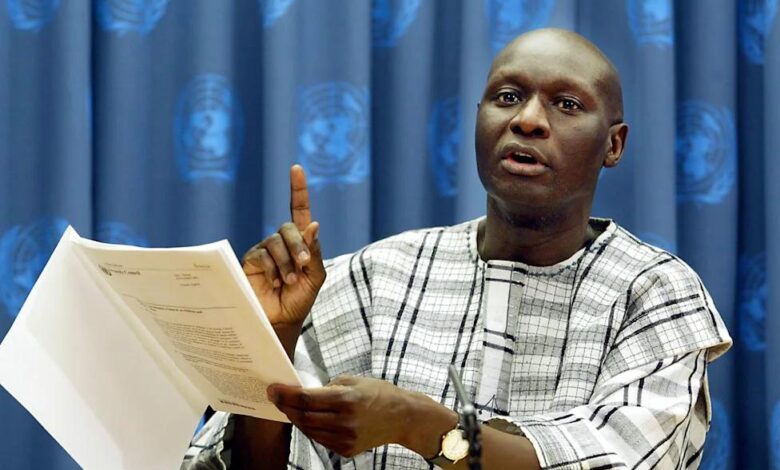
KAMPALA, October 17, 2026 — Uganda’s bid to produce the next Secretary-General of the United Nations has entered a decisive diplomatic phase, with veteran diplomat Ambassador Olara Otunnu seeking to turn his extensive international experience into the support needed to lead the world’s largest multilateral organisation.
Otunnu, Uganda’s officially nominated candidate, is competing against several prominent international figures in a contest shaped by geopolitics, diplomatic alliances, regional considerations and the power of the five permanent members of the UN Security Council.
Although his credentials give Uganda a serious candidate to present to the international community, the latest developments suggest that securing the position will require a major diplomatic breakthrough.
The question is no longer simply whether Otunnu is qualified for the job, but whether Uganda can mobilise sufficient international support to overcome the political hurdles standing between him and the UN’s highest office.
Otunnu’s Diplomatic Credentials Give Uganda A Strong Starting Point
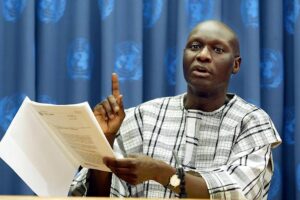
Otunnu is a former UN Under-Secretary-General who served as the organisation’s Special Representative for Children and Armed Conflict between 1998 and 2005.
During his tenure, he championed the protection of children affected by armed conflict and helped elevate the issue within the international peace and security agenda.
His previous experience within the UN system provides him with an understanding of its institutional structures, diplomatic culture and the challenges confronting international cooperation.
Uganda formally nominated him in July 2026, with President Yoweri Museveni subsequently reaffirming the government’s support and undertaking diplomatic engagement to rally backing from Security Council members.
Otunnu’s campaign has emphasised institutional reform, the restoration of the UN’s moral authority, conflict resolution, governance of artificial intelligence and climate action that takes economic development into account.
These priorities address several challenges facing the international organisation as it confronts conflicts, geopolitical divisions, financial pressures and questions about its effectiveness.
The Latest Security Council Poll Raises Questions About His Chances

The latest informal Security Council poll, conducted on October 16, 2026, showed former Costa Rican Vice-President Rebeca Grynspan emerging as the narrow frontrunner, with nine votes encouraging her candidacy, five discouraging it and one expressing no opinion.
Guyana’s Carolyn Rodrigues-Birkett and Rafael Grossi, the head of the International Atomic Energy Agency, also remained prominent contenders.
Reuters reported that the leading candidates continued to face opposition from permanent Security Council members, leaving the outcome unresolved.
Otunnu was not among the three leading candidates highlighted in the latest reporting. This suggests that his campaign faces a significant challenge, although the available public reporting does not establish a definitive current vote tally for him in the sixth poll.
The distinction matters: an informal poll is an indicator of diplomatic support, not the final election. Candidates can gain or lose support as governments negotiate, and the Security Council can continue considering alternatives if no candidate secures the necessary backing.
Nevertheless, Uganda must take the signals seriously. A candidate who is not emerging among the leading contenders needs to persuade influential governments that he can attract broader consensus.
Why The Five Permanent Members Hold The Key
The UN Secretary-General is not elected through a straightforward popular vote among the 193 member states.
Under Article 97 of the UN Charter, the Secretary-General is appointed by the General Assembly upon the recommendation of the Security Council.
The Council has 15 members. A recommendation requires at least nine affirmative votes and no veto from any of the five permanent members:
- United States
- China
- Russia
- United Kingdom
- France
This arrangement means that a candidate may enjoy considerable support from many countries but still fail if a permanent member blocks the recommendation.
For Otunnu, Uganda’s diplomatic campaign must therefore go beyond winning goodwill across Africa and the wider developing world. It must also address the strategic interests and concerns of the five permanent powers.
His experience in the UN system could help him engage these governments, but experience alone cannot guarantee that they will agree on his candidature.
Africa’s Representation Versus The Regional Rotation Question

Otunnu’s candidature also raises questions about Africa’s representation in global leadership.
African governments may see his bid as an opportunity to place an experienced African diplomat at the head of an institution that plays a major role in international peacekeeping, development cooperation and humanitarian affairs.
However, continental solidarity cannot be assumed to translate automatically into a Security Council victory. Governments may have different diplomatic priorities, and support from African states does not remove the need for agreement among the Council’s permanent members.
Another consideration is regional rotation. Latin America and the Caribbean have been widely discussed as the region whose turn it may be to provide the next Secretary-General, strengthening the political position of candidates such as Grynspan and Rodrigues-Birkett.
Regional rotation is an informal political consideration rather than an absolute rule of the UN Charter. It can influence negotiations, but it does not legally prevent a candidate from another region from being appointed.
Otunnu must therefore make a compelling case that his experience, independence and proposed programme can command support beyond Uganda and Africa.
What Otunnu Is Offering The United Nations
Otunnu has argued that the UN needs substantial reform and a renewed commitment to its founding principles.
His priorities include strengthening the organisation’s capacity to address international conflicts, improving institutional effectiveness and restoring confidence in its moral authority.
He has also proposed establishing a body to oversee the UN’s work on artificial intelligence, reflecting the growing importance of emerging technologies in international governance.
These proposals give his campaign policy substance beyond the prestige of holding the office. They also provide opportunities to engage countries concerned about conflict prevention, institutional accountability and the future of multilateral cooperation.
However, the next Secretary-General will have to navigate competing interests among powerful states while trying to preserve the organisation’s credibility and independence.
The office demands not only a reform agenda but also the ability to build trust among governments that frequently disagree on fundamental international questions.
Uganda’s Diplomatic Strategy Must Become More Targeted
President Museveni’s endorsement and the government’s diplomatic outreach have demonstrated that Uganda is treating the candidature as a national diplomatic undertaking.
The next phase requires a clear assessment of where Otunnu stands with individual governments and what concerns may be limiting support.
Uganda’s diplomats will need to make a persuasive case to permanent and elected Security Council members, emphasising Otunnu’s professional experience, leadership priorities and ability to work across geopolitical divisions.
The campaign should also communicate clearly why his proposed leadership would benefit countries from different regions and political groupings.
The most important objective is to establish that Otunnu can serve as a consensus candidate at a time when the UN faces major international conflicts and declining confidence in multilateral institutions.
A broad diplomatic network and a credible programme may improve his prospects, but the decisive test will be whether these translate into the required votes.
So, Does Otunnu Stand A Realistic Chance?
The answer is that his candidature remains a legitimate one, but the available evidence points to a difficult path.
His previous service at the UN gives him relevant institutional experience. Uganda has formally nominated him, and the government has publicly supported his campaign.
Yet the latest reported poll has highlighted other candidates as the leading contenders, while the permanent members’ positions remain decisive.
It would therefore be premature to declare Otunnu’s campaign either victorious or definitively defeated. The process is still political, and the absence of consensus can create opportunities for candidates who are able to bridge differences.
At the same time, it would be misleading to portray his chances as strong without evidence that he is gaining the necessary support.
His prospects will depend on whether Uganda can convert his credentials into a coalition of governments prepared to support him through the Security Council process.
The Final Decision Will Shape More Than Uganda’s International Standing
The selection of the next Secretary-General will affect the UN’s approach to peace and security, development, human rights and institutional reform.
For Uganda, a successful Otunnu candidature would represent a major diplomatic achievement and place a Ugandan at the centre of global affairs.
Even if the outcome is different, the campaign provides Uganda with an opportunity to strengthen diplomatic relationships and demonstrate its interest in international leadership.
For now, the country’s task is clear: sustain its diplomatic engagement, make a credible case for Otunnu and assess the evolving political arithmetic with realism.
The final test will not be the number of endorsements made in Kampala, nor the strength of public enthusiasm for the candidature. It will be whether Otunnu can secure the Security Council recommendation required for appointment by the General Assembly.
Uganda has put forward its candidate. Whether that candidate can become the world’s chief diplomat will ultimately be decided by the balance of international support.
Watch: Otunnu Presents His Vision At The United Nations
Readers can watch Otunnu’s official interactive dialogue with UN member states and civil society, held in New York on August 19, 2026. The session provides a direct account of his priorities and his approach to the Secretary-General’s responsibilities.
Official UN video: Olara Otunnu — Interactive Dialogue For The Position Of The Next Secretary-General
Further reading: United Nations — Selection And Appointment Of The Next Secretary-General
Sources: United Nations official candidature and selection documents; Reuters reporting on the October 16, 2026 Security Council poll; Uganda’s official communications on Otunnu’s nomination and campaign.
#UgandaToday #OlaraOtunnu #UnitedNations #UNSecretaryGeneral #UgandaDiplomacy #GlobalLeadership