Mukura Massacre: Remembering the 69 Ugandans Who Never Came Out of the Train Wagon Alive
+256 702 239 337: The massacre, which occurred at Okungulo Railway Station in what is today Ngora District, stands among the darkest episodes of Uganda's post-independence history. It is a painful reminder of the human cost of conflict and the importance of ensuring that such atrocities never happen again.

UgandaToday: Mukura Massacre: Remembering the 69 Ugandans Who Never Came Out of the Train Wagon Alive
Thirty-Seven Years Later, the Cry for Memory, Justice and Reconciliation Endures
Every year on July 11, residents of Mukura in eastern Uganda gather at a solemn memorial site to remember a tragedy that remains etched in the nation’s conscience—the Mukura Massacre of 1989.
The massacre, which occurred at Okungulo Railway Station in what is today Ngora District, stands among the darkest episodes of Uganda’s post-independence history. It is a painful reminder of the human cost of conflict and the importance of ensuring that such atrocities never happen again.
The Events of July 11, 1989
In the late 1980s, the Teso sub-region was engulfed in insecurity arising from insurgency and counter-insurgency operations. During military operations conducted by the National Resistance Army (NRA), hundreds of civilians from Mukura and surrounding villages were arrested on suspicion of collaborating with rebel groups operating in the area.
Historical accounts indicate that approximately 120 detainees were forcibly confined inside a railway wagon at Okungulo Railway Station on July 11, 1989. The wagon was overcrowded, poorly ventilated, and sealed for several hours under the scorching heat.
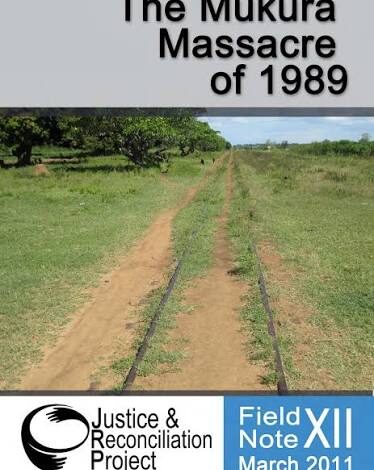
As panic spread inside the wagon, the trapped men struggled for air. By the time the doors were opened, 69 people had suffocated to death while dozens of others survived with severe physical and psychological trauma. Research by the Justice and Reconciliation Project and survivor testimonies have documented the harrowing ordeal endured by the victims.
A Community Forever Changed
The massacre sent shockwaves throughout Teso. Families lost fathers, brothers, sons and breadwinners in a single afternoon.
Many survivors have recounted years of emotional trauma, grief and unanswered questions. The scars of Mukura extended beyond the immediate victims, affecting entire communities whose social and economic structures were shattered by the tragedy.
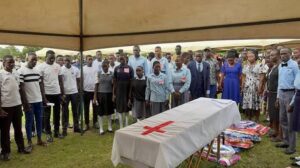
The 69 victims were later buried in a mass grave that today serves as a memorial site, with their names inscribed as a permanent testament to lives lost too soon.
Government Response and Apology
Over the years, the Government of Uganda acknowledged the tragedy. President Yoweri Museveni publicly apologized for the deaths and expressed regret over the circumstances that led to the incident. Government initiatives subsequently included support projects in the area, compensation discussions, and the establishment of institutions such as Mukura Memorial Secondary School as part of efforts to honor the victims.
However, for many families and survivors, remembrance remains inseparable from calls for full accountability, historical truth and comprehensive reconciliation.
Why Mukura Still Matters Today
As Uganda continues to reflect on its journey toward peace and national unity, the Mukura Massacre remains a powerful lesson about the dangers of collective punishment, human rights abuses and the devastating consequences of conflict.
The tragedy also resonates in contemporary discussions about transitional justice, state accountability and the protection of civilians during security operations.
For younger generations who did not witness the turmoil of the 1980s, Mukura serves as an important chapter in Uganda’s history—a reminder that peace should never be taken for granted.
Commemorating the Fallen
Each year, memorial prayers, community gatherings and remembrance activities are held at Mukura to honor the dead and comfort survivors. These commemorations ensure that the victims are not forgotten and that future generations understand the significance of safeguarding human dignity and the rule of law.
Thirty-seven years after the suffocation deaths in the railway wagon, the voices of Mukura continue to echo across Uganda’s history.
They remind the nation that remembrance is not merely about the past; it is about building a future where such tragedies never happen again.
A Legacy of “Never Again”
The Mukura Massacre remains more than a historical event. It is a national symbol of loss, resilience and the enduring pursuit of justice.
As Uganda commemorates the victims, the message from Mukura remains clear: the lives lost on that July afternoon must continue to inspire efforts toward truth, reconciliation, accountability and lasting peace.