UN Human Rights Rebuke of Uganda Intensifies Pressure as Questions Emerge Over Olara Otunnu’s UN Bid
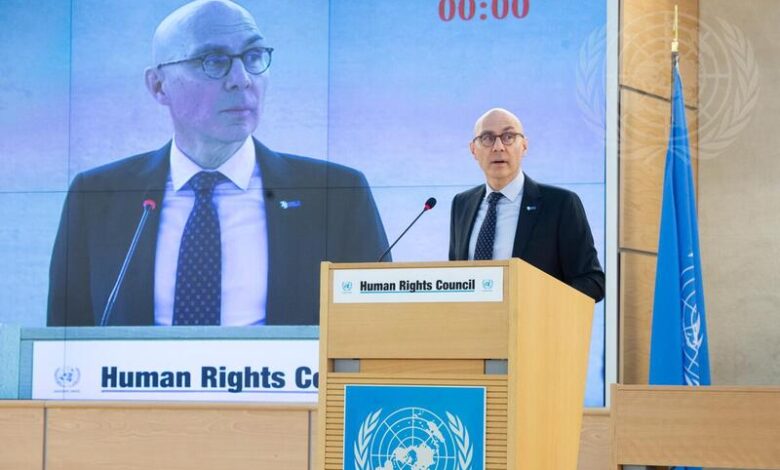
In a statement issued from Geneva, UN High Commissioner for Human Rights Volker Türk expressed alarm over what he described as an escalating campaign against dissent, warning that Uganda is experiencing "a climate of fear" characterised by shrinking civic space, growing military involvement in civilian institutions and increasing restrictions on fundamental freedoms.


UgandaToday: UN Human Rights Rebuke of Uganda Intensifies Pressure as Questions Emerge Over Olara Otunnu’s UN Bid
By Uganda Today Political Desk
Geneva Statement Puts Uganda’s Human Rights Record Under Fresh Global Spotlight
Uganda has once again found itself under intense international scrutiny after the United Nations High Commissioner for Human Rights issued one of its strongest criticisms yet of the country’s post-election human rights situation, raising fresh questions about the diplomatic implications for Uganda’s campaign to have veteran diplomat Olara Otunnu become the next United Nations Secretary-General.
In a statement issued from Geneva, UN High Commissioner for Human Rights Volker Türk expressed alarm over what he described as an escalating campaign against dissent, warning that Uganda is experiencing “a climate of fear” characterised by shrinking civic space, growing military involvement in civilian institutions and increasing restrictions on fundamental freedoms.
“I am appalled that the authorities are increasingly targeting any form of dissent,” Türk said, adding that “those who dare to speak out are silenced.”
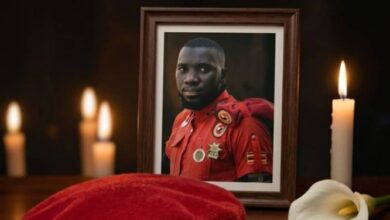
The High Commissioner said his office had documented allegations involving enforced disappearances, torture, arbitrary arrests, detention of opposition figures, journalists and human rights defenders, as well as the suspension of civil society organisations following Uganda’s January 2026 general elections.
Türk urged the Ugandan Government to uphold its obligations under international human rights law, respect the separation of powers, protect civic freedoms and ensure that citizens can freely participate in public affairs.
Kyagulanyi Says UN Statement Vindicates Opposition Claims
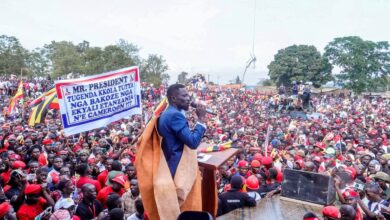
National Unity Platform (NUP) President Robert Kyagulanyi Ssentamu has welcomed the UN Human Rights Office’s findings, arguing that they reinforce concerns the opposition has consistently raised regarding the country’s governance and human rights record.
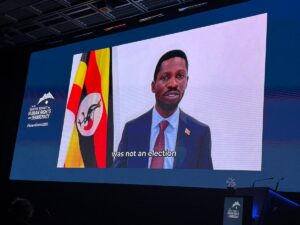
Kyagulanyi has repeatedly accused the Government of arbitrary arrests, enforced disappearances, torture of political activists, suppression of journalists and shrinking democratic space—allegations that Government officials have consistently denied or disputed.
The opposition leader has maintained that accountability and respect for constitutional freedoms are essential if Uganda is to restore public confidence in democratic institutions and improve its international standing.
Could the UN Statement Affect Olara Otunnu’s Secretary-General Ambitions?
While the UN Human Rights statement directly addresses Uganda’s domestic human rights situation rather than any individual candidate, its timing inevitably places additional attention on Uganda’s international image as the country seeks to secure global backing for Olara Otunnu’s candidacy for the world’s highest diplomatic office.
Otunnu, a distinguished Ugandan diplomat and former senior United Nations official, enjoys considerable international credentials. He previously served as United Nations Under-Secretary-General and Executive Director of UNICEF and has spent decades advocating for children’s rights, peace building and international diplomacy.
However, elections for the UN Secretary-General extend far beyond individual qualifications.

Reputation of the Nominating State Matters—But Is Not Determinative
The Secretary-General is selected through an intensely political process involving the UN Security Council and ultimately the UN General Assembly. Candidates are evaluated on their diplomatic experience, independence, integrity, leadership qualities and their ability to command confidence across diverse geopolitical blocs.
A country’s domestic human rights record can become part of the broader diplomatic conversation because the Secretary-General serves as the United Nations’ chief advocate for the UN Charter, including the promotion of human rights.
Consequently, a strongly worded criticism from the Office of the High Commissioner for Human Rights may prompt member states, diplomats and civil society organisations to ask whether Uganda’s current international image aligns comfortably with its campaign to provide the next leader of the United Nations.
Nevertheless, it would be inaccurate to conclude that the statement alone jeopardises Otunnu’s candidature.
Why Otunnu May Still Remain Competitive
Diplomatic observers note that candidates for UN Secretary-General are generally assessed on their personal records rather than being judged solely on the policies of their governments.
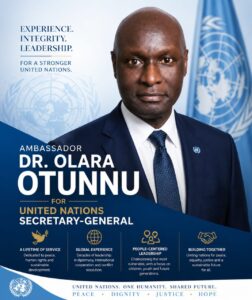
Otunnu’s long career within the United Nations predates Uganda’s current political environment and has earned him respect across international diplomatic circles. His reputation as an experienced multilateral diplomat could therefore remain distinct from contemporary domestic political developments.
Furthermore, history shows that Secretary-General selections often hinge on geopolitical negotiations among the five permanent members of the Security Council, regional balance, consensus-building and strategic international alliances rather than a single development affecting the candidate’s home country.
Uganda Faces Renewed International Scrutiny
Regardless of the outcome of the Secretary-General race, the UN Human Rights Office’s latest assessment is likely to intensify international attention on Uganda’s governance ahead of continued engagement with development partners, international financial institutions and multilateral organisations.
The statement also reinforces calls by human rights organisations for investigations into allegations of torture, arbitrary detention and enforced disappearances while urging authorities to strengthen constitutional safeguards, protect civic freedoms and preserve the independence of civilian institutions.
As Uganda pursues greater influence on the global stage through Otunnu’s candidacy, diplomats say the country’s domestic governance record will inevitably remain part of the wider conversation shaping international perceptions.
Whether that translates into diplomatic consequences for Uganda’s campaign remains uncertain and will ultimately depend on political negotiations within the United Nations rather than the human rights statement alone.
Below is UN High Commissioner For Human Rights Volker Turk’s Statement
GENEVA – UN High Commissioner for Human Rights Volker Türk on Thursday denounced the crackdown on dissent in Uganda, alongside a gradual erosion of the rule of law, increased military involvement in civilian institutions, and shrinking civic space – all of which are creating a climate of fear throughout the country.
“I am appalled that the authorities are increasingly targeting any form of dissent, and deepening restrictions on the fundamental freedoms of all those living in Uganda,” said Türk. “Those who dare to speak out are silenced.”
Since the general elections on 15 January 2026, repression has increased against all those perceived to oppose the Government. According to information received by the UN Human Rights Office, since the elections, at least 50 opposition leaders and supporters, five human rights defenders and five journalists have been subjected to human rights violations. These include instances of enforced disappearance, torture and ill-treatment, and arbitrary arrest or detention based on legal provisions which do not comply with international human rights law.
In addition, 10 leading civil society organisations have been suspended since January 2026, while others have been closely scrutinised and, at times, subjected to harassment.
The Office has also received information about increased military involvement in functions ordinarily carried out by civilian institutions. Some media outlets have been forced to close temporarily.
In May 2026, the Protection of Sovereignty Act was enacted, imposing extensive restrictions on international funding and foreign engagement with civil society organisations. The legislation includes severe penalties, including prison sentences of up to 10 years for violations.
“The actions of the authorities are creating a climate of fear that is increasing self-censorship, further stifling public debate and deepening polarisation,” said Türk.
“I call on the Government to abide by its obligations under international human rights law, the African Charter and the Ugandan Constitution to ensure a vibrant civil society where everyone can freely express their views and participate in public affairs,” he added.
The UN Human Rights Chief urged the Government to uphold the separation of powers and the rule of law, including by preventing military interference in civil institutions.
He also encouraged the leveraging of economic opportunities from the country’s resources and renewed international financial support to tackle structural issues and create a human rights-centred economy that upholds the fundamental rights of the Ugandan people.
The High Commissioner emphasised that his Office remains committed to supporting Uganda in preserving and reinvigorating respect for human rights.
For more information and media requests, please contact:
In Geneva
Ravina Shamdasani – ravina.shamdasani@un.org
Jeremy Laurence – jeremy.laurence@un.org
Marta Hurtado – marta.hurtadogomez@un.org
WhatsApp
X @UNHumanRights
Facebook unitednationshumanrights
Instagram @unitednationshumanrights