
The Dont Drink-Walk Law: If Dont Drink-Drive Is A Crime, Drink-Walk Must Also Be A Crime
'+256 702 23 93 37: Picture a man leaving a drinking establishment late at night, unable to walk steadily. Instead of keeping to the pedestrian footpath, he staggers into the middle of a busy road. A boda boda rider swerves to avoid him, loses control and knocks down a roadside vendor. Elsewhere, a motorist suddenly changes direction to avoid a heavily intoxicated person lying on the tarmac, only to collide with another vehicle.

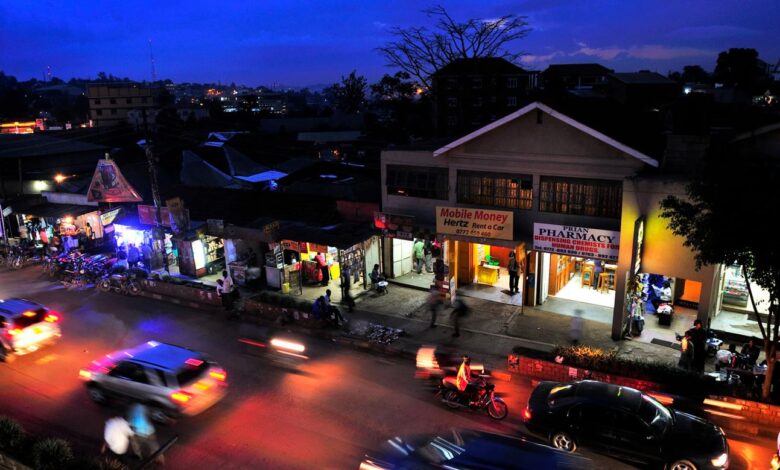
UgandaToday: The Dont Drink-Walk Law: If Dont Drink-Drive Is A Crime, Drink-Walk Must Also Be A Crime

Introduction: An Overlooked Road-Safety Danger

Every night in Kampala and other Ugandan towns, roads become scenes of preventable accidents, injuries and deaths. While much public attention is directed towards motorists who drive under the influence of alcohol, another road-safety danger deserves serious consideration: pedestrians whose intoxication places their own lives and those of other road users at risk.
Picture a man leaving a drinking establishment late at night, unable to walk steadily. Instead of keeping to the pedestrian footpath, he staggers into the middle of a busy road. A boda boda rider swerves to avoid him, loses control and knocks down a roadside vendor. Elsewhere, a motorist suddenly changes direction to avoid a heavily intoxicated person lying on the tarmac, only to collide with another vehicle.
Who should be held responsible? What protection does the law offer to other road users? And should a person whose dangerous conduct on the road is influenced by alcohol escape scrutiny simply because they are walking rather than driving?
These are questions Uganda needs to confront.
The proposal for a Dont Drink-Walk Law is not an argument for criminalising everyone who consumes alcohol and subsequently walks home. Rather, it is a call for stronger legal safeguards against dangerous pedestrian conduct associated with severe intoxication.
The underlying principle is simple: road safety is a shared responsibility.
Understanding Uganda’s Existing Legal Position

Uganda already has legislation regulating motorists who drive under the influence of alcohol.
The Traffic and Road Safety Act, 1998, as amended in 2020, provides under Section 111 for the offence of driving with a blood alcohol concentration above the prescribed limit.
The Traffic and Road Safety (Prohibited Drugs and Alcohol Limit) Regulations, 2023, further establish the applicable alcohol limits.
For ordinary motorists, the prescribed blood alcohol limit is 50 milligrams of alcohol per 100 millilitres of blood, while the limit for public service vehicles, ambulances and goods vehicles is 20 milligrams per 100 millilitres of blood. The corresponding breath alcohol limits are 25 milligrams and 10 milligrams per 100 millilitres of breath respectively.
However, Uganda’s road-safety legislation does not operate exclusively around motorists.
The Roads Act, 2019, and the Roads (Management of Public Roads) Regulations, 2026, also address pedestrian safety and the conduct of people using public roads.
Importantly, Regulation 15 of the Traffic and Road Safety (Traffic) Regulations, 2004, sets out pedestrian responsibilities. These include using available footpaths, crossing with due care and avoiding conduct likely to endanger pedestrians or other road users.
Furthermore, Section 65 of the Roads (Management of Public Roads) Regulations, 2026, addresses persons who stand or place themselves on a public road in a manner that causes danger or inconvenience to traffic.
This means that the idea of regulating dangerous pedestrian behaviour is not entirely new. The question is whether the existing provisions sufficiently address the particular risks associated with severe alcohol intoxication.
The proposed Drink-Walk Law would seek to strengthen and clarify that protection.
Why a “Dont Drink-Walk Law Deserves Consideration

Alcohol affects judgment, coordination, balance, reaction time and the ability to assess danger.
A heavily intoxicated pedestrian may fail to recognise an approaching vehicle, cross a highway without looking, walk in the middle of a carriageway or fall asleep in a dangerous position.
Such conduct can have consequences beyond the individual concerned.
A driver who suddenly swerves to avoid an intoxicated pedestrian may collide with another vehicle, knock down a cyclist or injure innocent pedestrians.
A boda boda rider attempting to avoid someone staggering across the road may lose control and injure passengers or roadside traders.
The intoxicated pedestrian may be the first victim, but the consequences can extend to an entire community.
Uganda should therefore consider whether its road-safety framework needs a specific provision addressing dangerously intoxicated pedestrians.
The Proposed Drink-Walk Law: What Should It Contain?
The proposed legislation should be guided by proportionality, public safety, human dignity and respect for individual rights.
It should not make walking after drinking an offence. Instead, it should target demonstrably dangerous conduct.
The following are proposed provisions for consideration by legislators, road-safety authorities and the Ministry of Works and Transport.
1. Prohibition of Dangerous Intoxicated Pedestrian Conduct
A person should not, while severely intoxicated, deliberately or recklessly:
- Walk along the carriageway where a safe pedestrian footpath is available.
- Stagger into active traffic lanes in a manner that creates an immediate danger.
- Lie down or sleep on a carriageway or other dangerous part of a public road.
- Attempt to cross a busy road without taking reasonable precautions, thereby creating an immediate danger to themselves or other road users.
- Obstruct traffic through dangerous conduct attributable to severe intoxication.
The law should define the threshold of dangerous intoxication objectively, using observable conduct and, where necessary, appropriate medical assessment rather than merely establishing that someone has consumed alcohol.
2. Police Intervention Must Prioritise Safety and Human Dignity
A person found severely intoxicated and creating an immediate danger on a public road should be assisted and removed from danger.
Police officers should be guided by clear procedures that prioritise the person’s safety.
Where necessary, officers should arrange medical attention, contact relatives or facilitate safe transportation to the person’s home.
No person should be beaten, humiliated or subjected to unnecessary force simply because they are intoxicated.
Where criminal conduct is suspected, due process must be followed.
3. A Graduated System of Penalties
Any proposed penalties should distinguish between first-time incidents, repeated dangerous conduct and cases involving injury or death.
A possible framework could include:
- First incident: A formal warning, safety education and assistance in getting home safely.
- Repeated incidents: A proportionate fine or appropriate community service, subject to the law and due process.
- Cases involving injury or death: Investigation and prosecution under the applicable criminal laws where the evidence establishes an offence.
It is important to emphasise that an intoxicated pedestrian should not automatically receive the same punishment as a person convicted of drink-driving. The offences, circumstances and legal responsibilities are different.
Where a pedestrian’s conduct contributes to an accident, liability should be determined through proper investigation and the applicable law.
4. Responsibility of Bars and Drinking Establishments
Bars, restaurants, entertainment venues and other establishments that serve alcohol should be encouraged to adopt responsible-service practices.
Where a customer is visibly incapable of getting home safely, management should take reasonable steps to assist.
These could include helping arrange a taxi, contacting a relative or identifying a safe means of transportation.
The proposal should explore appropriate legal duties for establishments, while ensuring that business owners are not automatically held criminally responsible for every action of a customer after leaving their premises.
5. Public Education and Road-Safety Awareness
The proposed law should be accompanied by a nationwide public education campaign.
Motorists, boda boda riders, pedestrians, bar owners and local authorities should understand that road safety is a collective responsibility.
Public awareness messages should encourage people who have consumed excessive alcohol to arrange safe transportation rather than attempt to walk long distances along busy highways.
Protecting Pedestrians Without Excusing Recklessness
One important consideration must not be overlooked: pedestrians are among the most vulnerable road users.
Not every person walking on a road has access to a pavement, pedestrian crossing or properly maintained footpath.
Many Ugandan roads lack adequate pedestrian infrastructure, street lighting and safe crossing facilities.
It would therefore be unfair to criminalise pedestrians simply because they are walking on a road or have consumed alcohol.
The proposed law must distinguish between unavoidable pedestrian circumstances and genuinely dangerous conduct.
Government and road authorities must also fulfil their responsibilities by providing safe footways, pedestrian crossings, lighting and appropriate traffic-control measures.
The law must protect pedestrians, not turn them into convenient scapegoats for poor road planning or reckless driving.
A Ugandan Proverb With a Powerful Message
Our communities have long used proverbs to communicate lessons about responsibility and human behaviour.
One expression captured in the original proposal deserves reflection:
“Omwenge tegutta, naye gukutambuliza mu kufa.”
Loosely translated: Alcohol may not kill you directly, but it can lead you into danger.
Another memorable expression puts it this way:
“When the legs are drunk, it is the head that pays the price.”
These expressions communicate an important warning. Alcohol can compromise judgment, and the consequences of irresponsible drinking can extend far beyond the person who consumes it.
If someone knows that alcohol has affected their ability to walk safely, arranging transport or seeking assistance is a far wiser decision than exposing themselves and others to danger.
The Bigger Picture: Shared Responsibility on Uganda’s Roads
Uganda’s road-safety debate should not become a contest between motorists and pedestrians.
Drivers must avoid alcohol when they intend to operate vehicles. Boda boda riders must observe traffic regulations. Pedestrians must use available footpaths and designated crossings responsibly. Drinking establishments should promote responsible alcohol consumption.
Equally, government must invest in safer roads and pedestrian infrastructure.
A comprehensive road-safety policy must recognise that every road user has rights as well as responsibilities.
The proposed Drink-Walk Law should therefore be considered alongside broader efforts to reduce road accidents, protect vulnerable people and strengthen enforcement of existing traffic laws.
Conclusion: Let Us Protect Every Life
The proposal by Nabuzale Babula, popularly known as Lady Juicy, raises an important question for Uganda’s policymakers: should dangerously intoxicated pedestrian behaviour receive more specific attention within the country’s road-safety legislation?
The answer deserves serious public discussion.
This is not about hatred for people who drink alcohol. It is not about criminalising an ordinary person who has enjoyed a drink and is walking home responsibly.
It is about preventing avoidable deaths, protecting innocent road users and ensuring that people do not turn public roads into places of unnecessary danger.
If we demand responsibility from drivers, we should also encourage responsibility among pedestrians.
If we protect motorists from reckless conduct, we should equally protect pedestrians from dangerous road conditions and their own impaired decisions.
Let us drink responsibly. Let us walk responsibly. Let us drive responsibly. Let us live responsibly.
A safer Uganda begins when every road user understands that every life matters.
For a New Uganda where every life is respected and protected.
Editorial note: This is a public policy proposal and opinion contribution, not a statement that Uganda has already enacted a separate Dont Drink-Walk offence. The proposed penalties and specific provisions require legislative consideration, legal drafting and public consultation.
#DontDrinkWalkLaw #RoadSafetyUganda #UgandaRoads #ResponsibleDrinking #UgandaToday #PhoenixNewsFeeds