From The Bush To State House: Has Uganda Betrayed The Ideals Of The NRA Struggle?
+256 702 23 93 37: The rebellion drew strength from widespread grievances over disputed political processes, insecurity, alleged human rights violations and abuses of state power under previous governments. The promise was that a new political order would restore security, protect citizens, promote accountability and prevent the return of arbitrary rule.

UgandaToday: From The Bush To State House: Has Uganda Betrayed The Ideals Of The NRA Struggle?
Kakwenza’s alleged ordeal revives questions about political persecution, while the Kabaka’s historic visit to Museveni’s bush-war fighters offers a reminder of the national unity that helped shape Uganda’s political destiny.
Uganda’s history presents a troubling question: can a liberation movement that rose against state brutality eventually become the very authority accused of perpetuating it?
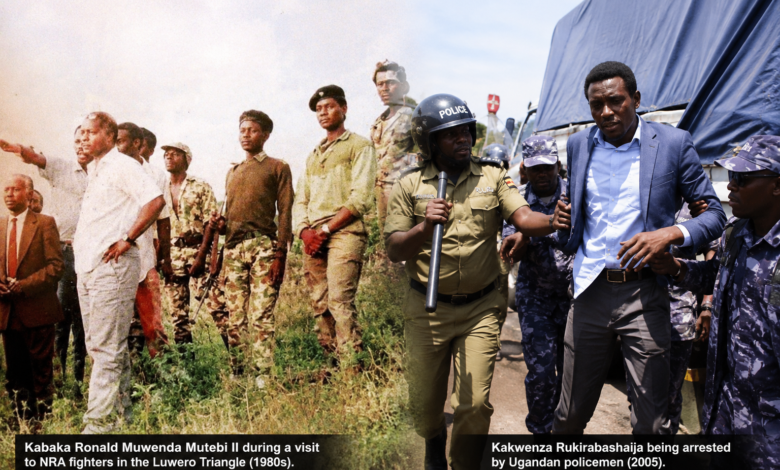
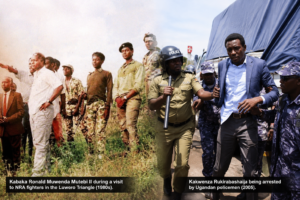
A photograph of writer Kakwenza Rukirabashaija being restrained by uniformed security personnel has revived this debate. Accompanying the image is his account that he was arrested at the age of 13 in 2005 for supporting Dr Kizza Besigye’s presidential ambitions, with his height allegedly making officers mistake him for an adult.
The account, attributed to Kakwenza, is a reminder of the risks that political dissent can carry. However, the specific circumstances of the alleged 2005 arrest require independent verification.
Set against the history of President Yoweri Museveni’s National Resistance Army (NRA) bush war, the image raises a fundamental question about the ideals that inspired the struggle and the conduct of the state that emerged from it.
The Bush War And Its Promise Of A New Uganda
Museveni and his NRA launched an armed rebellion against the government of President Milton Obote in February 1981, following the disputed December 1980 general election. The struggle eventually culminated in the NRA’s capture of Kampala in January 1986.
The rebellion drew strength from widespread grievances over disputed political processes, insecurity, alleged human rights violations and abuses of state power under previous governments.
The promise was that a new political order would restore security, protect citizens, promote accountability and prevent the return of arbitrary rule.
Yet the ultimate test of a liberation struggle is not simply whether its fighters capture the capital. It is whether the government they establish treats citizens more fairly than the governments they replaced.
The Kabaka’s Historic Visit And Buganda’s Place In The Struggle
The reported visit by Kabaka Ronald Muwenda Mutebi II to Museveni’s fighters in the Luweero Triangle remains an important part of the historical narrative surrounding Buganda and the NRA struggle.
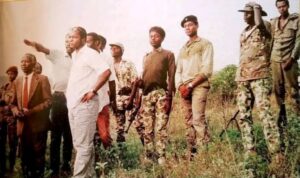
The Kabaka’s engagement with the rebellion is often remembered in the context of the relationship between the Baganda population and the forces fighting the Obote government.
For many supporters of this interpretation, the visit symbolised the importance of popular legitimacy, cultural authority and the relationship between the fighters and the communities whose support they needed.
The broader lesson remains significant: a political movement cannot sustain itself through military strength alone. Public trust and the cooperation of citizens are equally important.
From Besigye’s Supporters To Kakwenza’s Allegations
The photograph of Kakwenza brings the debate into the present, where allegations of arbitrary arrests, torture and the mistreatment of government critics continue to generate public concern.
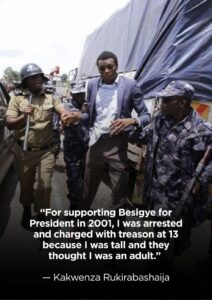
Kakwenza later became widely known for his criticism of Museveni and his son, Gen Muhoozi Kainerugaba. His experiences and allegations concerning detention and mistreatment have become part of a wider national debate about freedom of expression, political accountability and the treatment of dissenters.
The distinction between allegations, independently verified facts and official findings remains important. Nevertheless, every credible allegation of torture or unlawful detention warrants impartial investigation, regardless of the political views of the person involved.
A government’s obligation to protect human rights does not depend on whether a citizen supports the president, the opposition or neither.
Muhoozi And The Question Of Accountability
Gen Muhoozi Kainerugaba, the Chief of Defence Forces, has also attracted controversy over public statements concerning political opponents and the conduct of security operations. Allegations of abuses involving security personnel must be investigated on their individual merits, rather than assumed to be proven simply because they are politically charged.
But the wider question cannot be avoided: what safeguards exist to ensure that those exercising state power are held accountable when citizens report torture, intimidation or unlawful detention?
Uganda’s Constitution protects fundamental rights, including personal liberty, human dignity and freedom from torture or cruel, inhuman or degrading treatment. These protections apply to everyone, including political opponents and people accused of committing offences.
Neither military authority nor political loyalty should place anyone beyond the law.
Has The Liberation Promise Been Fulfilled?
The contrast between the NRA’s original justification for taking up arms and contemporary allegations of political repression presents Uganda with a serious test of its democratic institutions.
If citizens can be threatened, tortured or detained unlawfully for expressing political opinions, the country risks reproducing the very abuses that the liberation struggle promised to end.
This is not to suggest that the governments of Obote, Amin and Museveni were identical, or that Uganda’s political history can be reduced to a simple comparison. Their circumstances, policies and records differ. The relevant question is whether the standards used to condemn abuses under previous governments are applied consistently to the government in power today.
The same principle applies to President Museveni, whose legacy will be judged not only by the circumstances of his rise to power but also by the protection of rights, the strength of institutions and the treatment of citizens during his presidency.
The Question Uganda Must Answer
The historic images associated with the bush war and the contemporary image of Kakwenza invite Ugandans to reflect on the distance between a liberation movement’s promises and the responsibilities of governing.
The Kabaka’s reported engagement with the NRA evokes a period when political legitimacy and public support mattered to the struggle for power. Kakwenza’s account, meanwhile, raises questions about whether those principles remain meaningful when citizens challenge the state.
Ultimately, the measure of liberation is not who occupies State House, but whether the people are free from the abuses of power.
Uganda Today poses the question: if the NRA went to the bush to end state brutality, what must be done today to ensure that no Ugandan—regardless of political affiliation—is subjected to the same abuses?
#UgandaToday #HumanRights #UgandaPolitics #KakwenzaRukirabashaija #YoweriMuseveni #Democracy.