Defending the Tenets of Freedom of Speech and Expression in Uganda
+256 702 239 337: Criticism Is Part of Leadership Nobody enjoys criticism, but it is unavoidable. World leaders, celebrities, influencers and ordinary citizens all experience criticism. Even Jesus was not immune. Some criticism is destructive, but much of it is constructive. If leadership causes harm, expecting citizens to remain silent is unrealistic. Drawing from my experience in customer service, organizations improved because they listened to complaints rather than silencing customers. Governments can also view criticism as valuable public feedback instead of hostility.

UgandaToday: Defending the Tenets of Freedom of Speech and Expression in Uganda

By Jane Musoke-Nteyafas
Toronto, Canada
A New Era of Citizen Voices
Gone are the days when we cannot criticize and challenge concepts such as colonialism, racial discrimination, corruption, injustice and oppression. With the democratization of social media, the people’s voices are being increasingly heard. It is a new generation. We are challenging what our parents’ generations and our ancestors went through. We are demanding truth in history—for those with colonizing histories to acknowledge it, apologize and make amends.
In places like Canada, where I reside, we are having truth and reconciliation talks. This means discussions where groups such as those with European ancestry acknowledge that they historically and systematically wronged other groups such as Indigenous Canadian communities and Black peoples, while together seeking peace, reconciliation and a way forward in unity and solidarity.

Choosing Reconciliation Over Division
To stay angry, hateful and bent on revenge is not helpful to any of us. We are working together towards unity, peace, making amends and shared development.
Canada is home to people from virtually every nation on earth, and despite our differences, we strive to coexist in harmony. The youth want peace and reconciliation. Too many of our loved ones worldwide have died because of conflict. We want life, freedom, peace and self-sufficiency.
Many of us come from multicultural or intermarried families. We refuse to inherit old wars based on race, tribe or ethnicity. Around the world, young people are increasingly speaking with one voice—they desire peace, progress, equal opportunities and development for all.
Truth Must Never Be Silenced
While countries such as the United States continue grappling with these issues, progress is being made. Churches in Canada have apologized for abuses committed against Indigenous peoples. Greater racial representation is evident in politics and public institutions.
It is a new day.
The days of killing, arresting or silencing people simply for speaking truth should become history. Racism, sectarianism, tribal violence, religious conflicts and wars that create refugees, widows and orphans are wrong.
Africa Must Also Confront Internal Injustices
White nations are increasingly acknowledging historical injustices and returning cultural treasures. They are recognizing the sovereignty of African peoples and other historically marginalized communities.
African leaders must equally admit that Africa’s victimization is not only racial—it is also sectarian. Many leaders continue to discriminate against fellow citizens based on tribe, deny equal opportunities and suppress freedom of speech.
Some governments shut down the internet, silence independent media and imprison critics. These realities cannot forever be blamed solely on colonialism. Africa should know better by now.
Uganda’s Challenge: Freedom of Speech Under Pressure
Journalism, activism, advocacy, social justice work and even writing itself are becoming increasingly dangerous professions in Uganda.
When truth-tellers are silenced, misinformation, gossip, conspiracy theories and character assassination flourish. Professional journalism exists precisely because it requires verification, accountability and ethical standards. Journalism should not be shut down.
Criticism Is Part of Leadership
Nobody enjoys criticism, but it is unavoidable. World leaders, celebrities, influencers and ordinary citizens all experience criticism. Even Jesus was not immune.
Some criticism is destructive, but much of it is constructive. If leadership causes harm, expecting citizens to remain silent is unrealistic.
Drawing from my experience in customer service, organizations improved because they listened to complaints rather than silencing customers. Governments can also view criticism as valuable public feedback instead of hostility.
Uganda’s Youth Want Peace, Not Endless Conflict
Ugandans do not want to inherit the wars, power struggles and political rivalries of previous generations. We simply want peace and prosperity.
One cannot claim to fight corruption while simultaneously becoming the new oppressor. Leadership requires humility, accountability and the courage to admit mistakes.
Leadership Demands Wisdom and Accountability
Leadership is not for the faint-hearted. Managing an entire nation is difficult. Even the wisest leaders make mistakes. Great leadership is demonstrated through humility, accountability and the willingness to apologize.
At the same time, irresponsible speech, online bullying and hate speech are genuine concerns. Sadly, inflammatory rhetoric increasingly comes not only from ordinary citizens but also from political leaders themselves.
Violence Is Never the Solution
Violence should never become the answer. False narratives should be challenged through education, dialogue and responsible communication—not imprisonment or physical harm.
Uganda has countless examples of excellence that deserve greater media attention. Rather than fighting every insult, leaders should model maturity, restraint and dignity.
Christian Leadership Requires Higher Standards
As Christians, we are called to demonstrate respectful speech, humility and self-control.
Christianity encourages responsible freedom of expression—not abusive language, intimidation or imprisoning those who speak uncomfortable truths.
Leaders should model integrity, diplomacy and wisdom rather than descending into public insults.
The Character of Great Leaders
Whether one claims royal ancestry or deep religious conviction, genuine leadership is measured by courtesy, diplomacy, integrity and ethical conduct.
Kings and leaders are expected to maintain higher standards precisely because greater responsibility rests upon them.
Forgiveness Strengthens Nations
It is never easy to forgive opponents, accept criticism or congratulate political rivals.
Nation-building requires diplomacy, patience and maturity. Leaders cannot spend every day reacting to social media criticism while neglecting national responsibilities.
History teaches that reconciliation—not perpetual revenge—creates lasting peace.
Freedom of Expression Is a Fundamental Gift
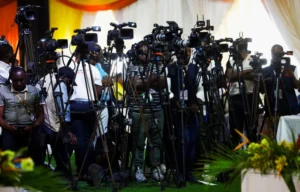
Freedom of speech has given humanity great literature, journalism, democracy and historic speeches from leaders such as Martin Luther King Jr. and Nelson Mandela.
It is a gift that should be exercised responsibly and protected carefully.
Leadership Is Both a Gift and a Responsibility
Leadership is not a privilege for personal gain but a sacred trust. Those entrusted with leadership will ultimately be accountable before God for how they treated the people under their care.
Suppressing truth breeds dishonesty, corruption and fear. A healthy society encourages respectful truth-telling while allowing the justice system to address genuine criminal hate speech.
A Call for Respectful National Dialogue
Uganda has made significant progress but still has much work ahead. Development cannot flourish in an atmosphere of fear, hostility and oppression. Even during disagreements, we should remain respectful and civil.
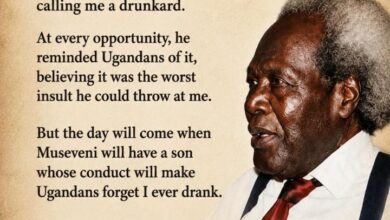
Our elders, including outspoken voices such as Miria Matembe, deserve respectful engagement rather than humiliation or punishment. Uganda belongs to every Ugandan—not merely a privileged few.
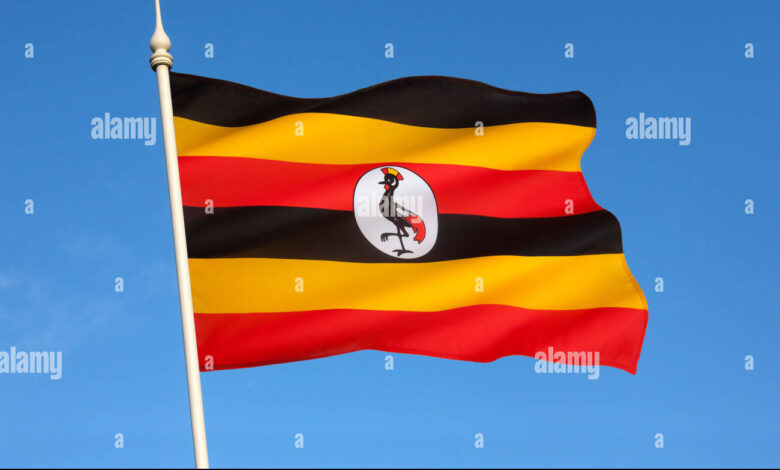
As our national motto reminds us, “For God and My Country,” let us restore dignity, integrity and godly leadership to our public discourse.
For God and My Country!
About the Author
Jane Musoke-Nteyafas is a visual artist, writer, poet, playwright, columnist and anti-abuse/anti-poverty advocate. Born in Russia, she grew up in France, Denmark, Cuba and Uganda before settling in Canada more than two decades ago.
#UgandaToday #PhoenixNewsFeeds #OperaNewsFeeds #FreedomOfSpeech #HumanRights #UgandaPolitics