Growing Debate: Are Genetically Modified Foods a Hidden Risk to Africa’s Food Sovereignty?
+256 702 239 337: Genetically Modified Organisms (GMOs) are crops whose DNA has been altered using modern biotechnology to enhance traits such as resistance to pests, drought tolerance, or increased yield. Proponents argue that GMOs could help Africa combat hunger, improve agricultural productivity, and adapt to climate stress.
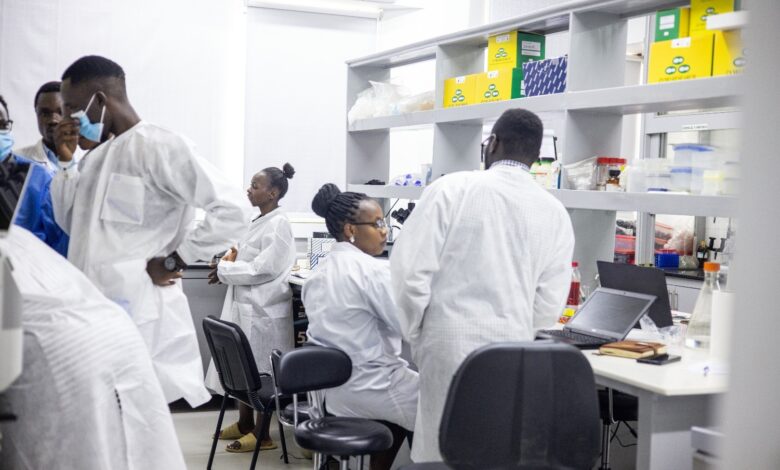
Scientists examining genetically modified crop samples in a laboratory.
Scientists examining genetically modified crop samples in a laboratory.
UgandaToday: Growing Debate: Are Genetically Modified Foods a Hidden Risk to Africa’s Food Sovereignty?
Across social media and public fora, a new wave of concern is emerging over the spread of genetically modified foods (GMOs) in Africa. A circulating video warns that several African countries have accepted genetically modified crops linked to global biotechnology initiatives associated with figures such as Bill Gates.
While advocates argue that biotechnology can help address food shortages and climate change, critics fear that the long-term health, environmental, and economic consequences remain insufficiently understood—particularly for developing nations.
Below is an analytical examination of the key concerns fueling the growing debate.
The Expanding Presence of GMOs in Africa
Genetically Modified Organisms (GMOs) are crops whose DNA has been altered using modern biotechnology to enhance traits such as resistance to pests, drought tolerance, or increased yield. Proponents argue that GMOs could help Africa combat hunger, improve agricultural productivity, and adapt to climate stress.
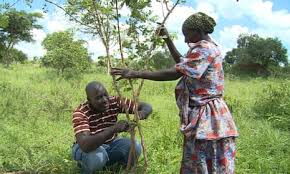
Smallholder farmers remain central to Africa’s food production. Photo of maize or soybean fields associated with GMO cultivation
Several African governments have recently opened their regulatory frameworks to GMO research, field trials, or commercialization. Supporters of these policies say they offer farmers modern tools to boost production and reduce crop losses.
However, critics warn that the rapid adoption of such technologies may be occurring faster than the development of adequate safety monitoring and public awareness.
Health Concerns and Scientific Debate
One of the most frequently cited concerns about genetically modified foods revolves around their potential long-term health impacts.
Skeptics argue that:
The long-term effects of consuming genetically modified crops are still being studied.
Genetic alterations could potentially introduce allergens or unforeseen metabolic reactions.
Independent research into health impacts may be limited or influenced by corporate interests.
Global philanthropy and biotech investments have influenced agricultural innovation.
Major international food safety agencies generally state that approved GM foods are safe to eat. Nevertheless, critics insist that more independent and long-term studies are needed before widespread adoption, especially in regions where regulatory capacity is still developing.
Environmental Risks
Beyond human health, environmental implications are another major point of debate.
Environmentalists warn that genetically modified crops may:
Reduce biodiversity by encouraging monoculture farming.
Lead to the emergence of “super pests” or herbicide-resistant weeds.
Cross-pollinate with traditional crops, potentially contaminating indigenous plant varieties.
Africa’s agricultural heritage is deeply tied to local seed systems developed over generations. Some experts worry that the introduction of patented genetically engineered seeds could disrupt these ecosystems and traditions.
The Question of Seed Sovereignty
Perhaps the most politically sensitive concern surrounding GMOs is control over seeds.
Many genetically modified seeds are patented by multinational biotechnology companies. Farmers who purchase them often must buy new seeds every season rather than saving part of their harvest for replanting—a practice that has been common in African agriculture for centuries.
Critics argue this could create:
Long-term dependency on foreign seed suppliers
Increased farming costs
Reduced autonomy for smallholder farmers
Supporters counter that improved seeds can significantly increase productivity, potentially offsetting these costs.
Africa at a Crossroads
Africa’s population is projected to double by 2050, placing enormous pressure on food systems. Governments are therefore exploring multiple strategies to ensure food security—biotechnology among them.
However, the GMO debate highlights a broader question: Should Africa prioritize technological solutions controlled by global institutions, or invest more heavily in indigenous agricultural systems and ecological farming?
For many observers, the answer lies not in outright rejection or acceptance of GMOs, but in transparent research, strong regulation, and informed public dialogue.
The Need for Public Awareness
As the discussion grows louder, experts emphasize the importance of educating citizens about both the potential benefits and risks of genetic modification.
Consumers, farmers, scientists, and policymakers must all participate in shaping the future of Africa’s food systems. Without widespread understanding, critics warn that decisions about what Africans eat could be made far from the communities most affected.
The GMO debate is therefore not just a scientific question—it is also about health, sovereignty, and the future of agriculture on the continent. #UgandaToday #PhoenixNewsFeeds #OperaNewsFeeds #GMODebate #FoodSovereignty #AfricanAgriculture
UgandaToday is published by CMK Media Solutions. UgandaToday is your trusted source for news and analysis.
Partner with Uganda Today where your story matters in shaping the social and economic dynamics of the country.
Let’s help you grow your brand and keep your audience informed.
Website:https://www.ugandatoday.co.ugWhatsApp: +256 702 239 337
X (formerly Twitter):@uganda43443 |
Email:ugandatodayedition@gmail.com
P.O.BOX 184351 Kampala.
Uganda