
Museveni Unveils New Cabinet: Continuity, Strategic Shifts and Fresh Political Calculations Shape Uganda’s Next Government
+256 702 239 337: The continuation of the country's top executive team signals the President's apparent preference for stability within the central command structure of government.

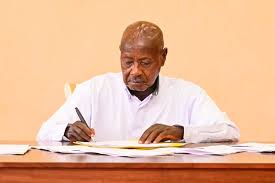
UgandaToday: Museveni Unveils New Cabinet: Continuity, Strategic Shifts and Fresh Political Calculations Shape Uganda’s Next Government
President Yoweri Kaguta Museveni has unveiled a broad new cabinet lineup under powers granted to him by the Constitution, setting the stage for what analysts are already describing as a blend of continuity, political balancing and calculated restructuring of government leadership.
The proposed appointments, which now await parliamentary scrutiny where required, retain several long-serving political figures in influential positions while simultaneously introducing new names into key ministries and advisory roles.
The composition appears designed to preserve institutional memory while repositioning government priorities around security, technology, economic management and political consolidation ahead of Uganda’s next governance cycle.
Continuity at the Apex of Government
At the center of the newly announced government structure, major figures have retained their influence.
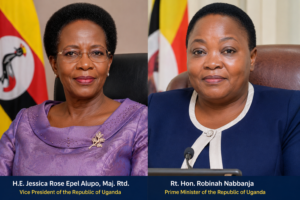
Jessica Rose Epel Alupo remains Vice President while Robinah Nabbanja retains the Prime Minister’s office and her role as Leader of Government Business in Parliament.
The continuation of the country’s top executive team signals the President’s apparent preference for stability within the central command structure of government.
The Deputy Prime Minister positions also reveal continuity mixed with strategic placement:
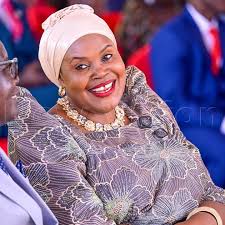
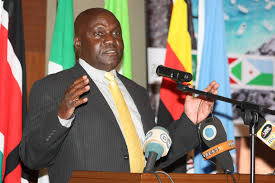
 “The Deputy Prime Minister structure reflects continuity.
- Rebecca Kadaga becomes First Deputy Prime Minister and Minister for East African Community Affairs.
- Crispus Walter Kiyonga assumes the role of Second Deputy Prime Minister.
- Lukia Nakadama becomes Third Deputy Prime Minister.
Political observers may view these appointments as a balancing mechanism that accommodates experience, regional representation and long-serving political actors within the ruling establishment.
Key Ministries Witness Strategic Reassignments
Several ministries considered central to Uganda’s political and economic direction have undergone notable changes.
Henry Musasizi assumes leadership of the Finance Ministry, placing him at the center of fiscal policy, national budgeting and economic planning.
Foreign Affairs now shifts to Adonia Ayebare, a move that could potentially strengthen Uganda’s diplomatic engagements given his extensive international exposure.
Meanwhile, the appointment of Monica Musenero Musanza as Minister of Energy and Mineral Development could place renewed focus on Uganda’s energy ambitions and extractive sector development.
Security-sensitive portfolios remain in the hands of individuals with long public service and military backgrounds:
- Jim Muhwezi — Security
- Kiryowa Kiwanuka — Defence and Veterans Affairs
- Ephraim Kamuntu — Internal Affairs
The continued reliance on experienced political and security figures appears intended to maintain government control over sectors viewed as strategically sensitive.
Technology, Science and Innovation Gain Greater Visibility
A notable feature of the new cabinet arrangement is the visible emphasis on technology and innovation.
The appointment of Eng. Asiimwe Jonard to oversee Science, Technology and Innovation within the Presidency could indicate increasing government interest in technological transformation, industrialization and digital development.
Observers are likely to monitor whether this translates into accelerated implementation of technology-centered policies.
Senior Presidential Advisors Reflect Political Accommodation
Another striking feature is the reassignment of several prominent figures to Senior Presidential Advisor positions.
Among those named are:
- Hamson Obua
- Ruth Nankabirwa
- Francis Mwebesa
- Evelyn Anite
In Uganda’s political structure, advisory appointments have historically served both governance and political accommodation functions, retaining experienced figures within the broader state architecture.
Political Implications: Balancing Loyalty, Regions and Governance Priorities
Beyond ministerial titles, cabinet formations often carry deeper political significance.
The new lineup appears to reflect several underlying calculations:
- Preservation of loyal political actors within government structures.
- Regional and demographic balancing.
- Retention of experienced figures in strategic ministries.
- Increased emphasis on science, infrastructure and economic sectors.
- Accommodation of emerging and longstanding political interests.
Whether the proposed cabinet ultimately translates into improved service delivery and policy implementation remains a question likely to dominate public and political discourse in the coming months.
For many Ugandans, attention may shift from appointments to outcomes — particularly around employment, healthcare, infrastructure, education and economic conditions.
#UgandaToday #PhoenixNewsFeeds #OperaNewsFeeds #MuseveniCabinet #UgandaPolitics
#CabinetReshuffle