UgandaToday: European Parliament Condemns Uganda’s January 15, 2026 Presidential Elections
Brussels — European Union Parliament Resolution Rejects Election Conduct, Urges Reforms and Release of Political Prisoners
MEPs Strongly Question Election Credibility
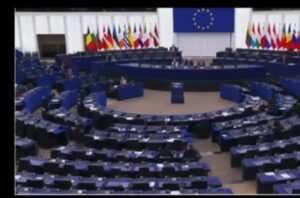
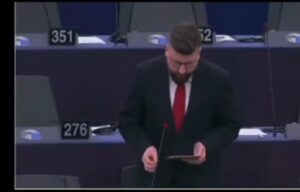
Members of the European Parliament (MEPs) on 12 February 2026 adopted a strongly worded resolution condemning the conduct of the 15 January 2026 Ugandan presidential election, citing widespread abuses and irregularities. According to the resolution, the election was “marred by abuses, widespread intimidation, fraud, violence and a nationwide internet blackout,” undermining basic democratic standards.
The resolution, passed by 514 votes in favour, with three against and 56 abstentions, also highlighted concerns over the intimidation and detention of opposition figures, including National Unity Platform (NUP) leader Robert Kyagulanyi (Bobi Wine) and veteran politician Dr Kizza Besigye.
Calls for Release of Detainees and Institutional Reform
In their formal statement, MEPs demanded the immediate and unconditional release of all opposition supporters believed to have been arbitrarily detained before and after the polls. They criticized the use of internet shutdowns, which they said hindered transparency and free expression during the election period.
Parliamentarians also urged the Ugandan authorities to abandon military trials for civilians, to reform electoral institutions, and to disclose the whereabouts of missing persons. The resolution pushes for comprehensive electoral and institutional reforms to restore electoral credibility.

Implications for EU-Uganda Relations
MEPs went further by recommending that the European Union and its member states review their cooperation with Uganda. Citing respect for fundamental rights and democratic principles as core EU values, the resolution encourages more critical engagement with Kampala and increased support for civil society, human rights defenders, journalists, and other non-state actors.
This marks a firmer stance compared to earlier EU statements that took note of the results while expressing concerns over pre- and post-electoral violence and restricted civic space.
Background: Contested Results and Pre-Election Climate
The January 15 elections saw President Yoweri Kaguta Museveni declared the winner with over 71.65% of the vote, extending his decades-long rule. Critics both locally and internationally had raised alarms over internet restrictions, detentions, and episodes of violence during the campaign and the voting period.
EU member states’ diplomats were present during polling, but the official EU observation mission did not deploy a full international observer team, citing administrative and political considerations.
#UgandaToday #PhoenixNewsFeeds #OperaNewsFeeds #EuropeanUnionParliament #ThePeopleOfUganda
Publisher