Big Hunt For A Rebel: From 1981 to 2026 — Uganda’s Unbroken Cycle of Political Pursuit
+256 702 239 337: On February 6, 1981, Museveni and a small group of fighters attacked Kabamba Military Barracks in Mubende District. Although the raid did not fully succeed militarily, it marked the beginning of the guerrilla war that would later be known as the Luweero Bush War.

UgandaToday: Big Hunt For A Rebel: From 1981 to 2026 — Uganda’s Unbroken Cycle of Political Pursuit
By Uganda Today Editorial Desk
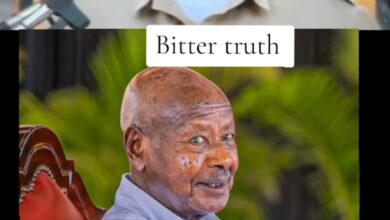
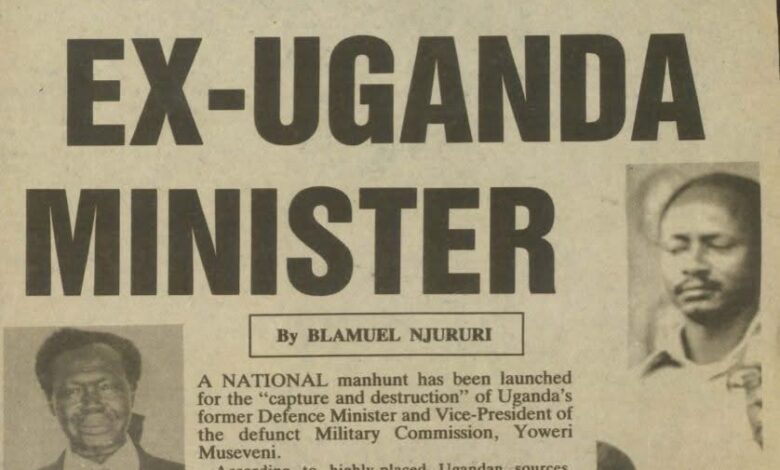
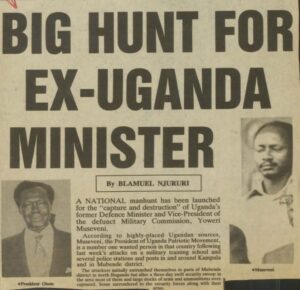
A faded newspaper clipping—most likely from a Kenyan publication of the early 1980s—captures a defining moment in Uganda’s turbulent political history. Its bold headline big hunt for a nationwide young rebel leader: Yoweri Museveni.
At the time, Museveni was a fugitive, accused of launching an armed rebellion against the government of President Milton Obote. Today, more than four decades later, he is Uganda’s long-serving president. Yet the image of a state pursuing a political opponent remains strikingly familiar—this time with opposition leader Robert Kyagulanyi reportedly in exile following the contested January 15, 2026 general elections.
1980 Elections: The Spark That Lit the Fire
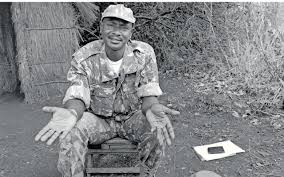
Uganda’s December 1980 general elections returned Milton Obote to power amid widespread allegations of rigging. Museveni, then leading the Uganda Patriotic Movement (UPM), rejected the results and declared that armed struggle was the only viable path to justice.
On February 6, 1981, Museveni and a small group of fighters attacked Kabamba Military Barracks in Mubende District. Although the raid did not fully succeed militarily, it marked the beginning of the guerrilla war that would later be known as the Luweero Bush War.

From Politician to Most Wanted Man
Following the Kabamba attack, Obote’s government launched an aggressive nationwide manhunt. Museveni was declared a dangerous insurgent, and security forces intensified operations to capture him and dismantle his fledgling rebellion.
The newspaper clipping reflects this exact moment—when the state machinery was deployed to pursue a political challenger turned rebel leader.
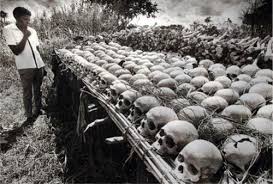
The crackdown extended beyond combatants. Civilians in areas such as the Luweero Triangle bore the brunt of the conflict, with widespread reports of killings, displacement, and human rights abuses.
1986: Power Changes Hands Through the Gun
By 1986, Museveni’s National Resistance Army (NRA) had seized Kampala after years of guerrilla warfare. He assumed the presidency, positioning himself as a reformer who had liberated Uganda from cycles of bad governance and electoral injustice.
But his rise also reinforced a pattern: political power in Uganda had once again changed hands through armed struggle—not through a peaceful democratic transition.
2026: Kyagulanyi and the Echoes of the Past
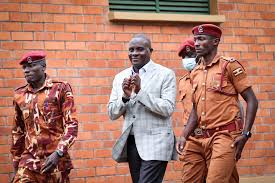
Fast forward to 2026, and Uganda finds itself revisiting familiar ground. Robert Kyagulanyi, a leading opposition figure, contested against Museveni in elections he claims were neither free nor fair. In the aftermath, reports of arrests, intimidation, and political pressure mounted. Kyagulanyi’s subsequent departure into exile has drawn comparisons to Museveni’s own experience in 1981.
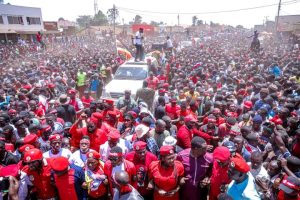
The parallels are difficult to ignore:
- 1981: Museveni rejects election results → launches rebellion → becomes a wanted man
- 2026: Kyagulanyi rejects election results → faces state crackdown → goes into exile
The actors have changed, but the script appears remarkably similar.
A Country Without Peaceful Transition
Since gaining independence in 1962, Uganda has never experienced a peaceful transfer of presidential power from one elected leader to another.
Transitions have instead been shaped by:
- Military coups
- Armed struggle
- Political repression
From Idi Amin’s 1971 coup, to the wars of the early 1980s, and the prolonged rule of Museveni since 1986, Uganda’s political trajectory has remained deeply contested.
A Cycle That Refuses to Break
Museveni’s journey—from hunted rebel to head of state—is one of the most dramatic political transformations in Africa. Yet it also raises uncomfortable questions about continuity.
The grievances that once justified rebellion—electoral injustice, state repression, and exclusion—are today echoed by opposition voices.
Uganda stands at a crossroads: will it continue repeating its past, or will it chart a new course defined by peaceful democratic transition?
For now, the image of a hunted opposition figure remains a constant—only the names have changed.
#UgandaToday #UgandaPolitics #Museveni #Kyagulanyi #PeoplePower #PhoenixNewsFeeds