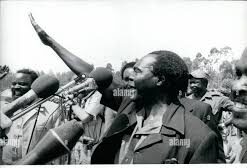
Kabaka Muteesa II Vowed To Return To Buganda Despite Exile, Political Turmoil
+256 702 23 93 37: For Muteesa, the relationship between the Kabaka and his people was deeper than political arrangements. It was a bond rooted in heritage, identity, history and shared belonging.

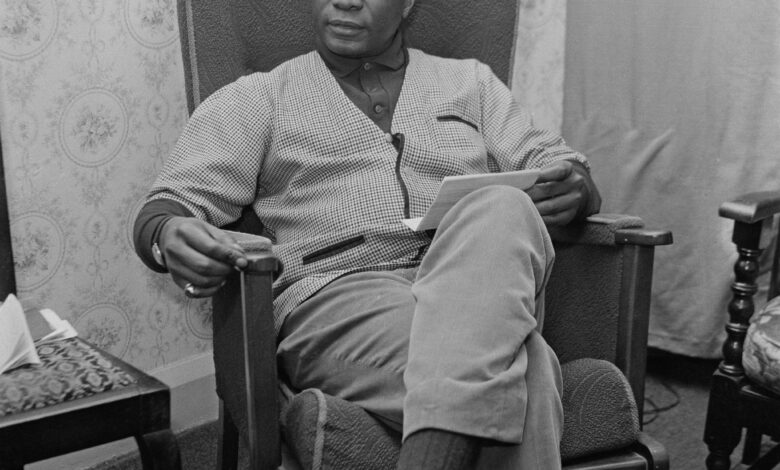
UgandaToday: Kabaka Muteesa II Vowed To Return To Buganda Despite Exile, Political Turmoil
The Exiled King Believed His People’s Loyalty Would Outlive Political Persecution

In one of the most moving passages of his book, Desecration Of My Kingdom, the late Kabaka Edward Frederick William David Walugembe Mutebi Muteesa II reflects on his life in exile in London, the suffering of his people in Buganda, the political upheaval in Uganda, and his unwavering conviction that he would eventually return to the land of his ancestors.
Writing from London, the former Kabaka described the difficulties of obtaining reliable information about events unfolding in Uganda, where political developments, arrests and uncertainty continued to affect his family, supporters and kingdom.
His account paints a picture of a displaced monarch struggling to survive far from home while remaining emotionally and politically connected to his people.
A Family And Kingdom Caught In Political Turmoil
Muteesa revealed that although some members of his family, including Sarah and Damali, had reportedly been released from prison, his younger brother, David Simbwa, remained incarcerated.
He also spoke of renewed arrests, the Katikkiro’s flight to London and other Baganda who found themselves abroad when the political crisis unfolded.
The passage reflects the uncertainty that surrounded Buganda following the confrontation between the central government and the kingdom, a crisis that ultimately left the Kabaka in exile and the traditional institution stripped of its political position.
Financial Hardship In The Land Of Exile
Despite allegations by former President Milton Obote that he had £45,000 in London, Muteesa strongly disputed the claim, revealing that he was struggling financially.
In a deeply personal admission, he explained that he had no money apart from what he earned through writing, while depending on the generosity of friends to pay school fees and provide shelter.
The revelation offers a glimpse into the personal struggles of a former king who, despite his royal status and political significance, found himself living under difficult circumstances in a foreign country.
His words also challenge the perception that exile necessarily meant financial comfort or freedom from hardship.
Buganda Divided Into Four Districts
Muteesa further criticised the government’s decision to divide Buganda into four districts, saying the arrangement had failed and had contributed to economic devastation.
He observed that the consequences were being felt not only by his people in Buganda but also by Ugandans generally, as economic conditions deteriorated and ordinary citizens struggled to survive.
The passage reflects his deep concern about the disruption of Buganda’s political, economic and social structures following the abolition of its traditional government.
Plans To Replace The Kabaka Failed
The former monarch also referred to attempts to replace him with another Kabaka, noting that the plans had predictably failed.
His remarks suggest that despite the political pressure and attempts to undermine his position, he remained convinced that the people of Buganda had not abandoned him.
The question of replacing the Kabaka was not merely about appointing another cultural leader but was tied to the wider political struggle over Buganda’s identity, legitimacy and traditional leadership.
Muteesa Compared Obote’s Actions To British Colonialism
In an especially striking part of the passage, Muteesa compared the conduct of Obote’s government to the actions of the British colonial authorities who had previously exiled him.
He argued that Obote was repeating mistakes made by the British, although he accused the Ugandan government of adding violence and chaos to the situation.
His observation that “the Army rules” reflected his perception of the political climate in Uganda, where military power had become central to the country’s governance and the kingdom’s suppression.
Muteesa also noted that Obote had not offered to negotiate with him, leaving the possibility of reconciliation and a political settlement uncertain.
His Faith In The Loyalty Of The Baganda

Despite the hardship, uncertainty and political isolation, Muteesa remained confident in the loyalty of his people.
He recalled how faith in the devotion of the Baganda had sustained him during earlier years of exile and said that the same belief continued to give him strength.
He acknowledged that remaining loyal to him would require courage and perseverance from his supporters, particularly in an environment where political pressure and repression were realities.
For Muteesa, the relationship between the Kabaka and his people was deeper than political arrangements. It was a bond rooted in heritage, identity, history and shared belonging.
“In The End I Shall Return”
The passage closes with one of the most powerful declarations in the excerpt, expressing the Kabaka’s determination not to surrender his hope of returning home.
“In the end I shall return to the land of my fathers and to my people,” he wrote.
The statement encapsulated his determination, faith and sense of belonging despite the circumstances of exile.
For many readers of Buganda’s history, these words remain a poignant reminder of the political struggles that shaped the kingdom, the suffering experienced during the years of exile, and the enduring significance of the Kabaka in the hearts of his people.
Muteesa’s reflections in Desecration Of My Kingdom are not merely a record of personal hardship. They are also a historical testimony to a period when Buganda’s traditional leadership, political identity and relationship with the Ugandan state were profoundly shaken.
His story remains part of the wider history of Uganda — a story of exile, resistance, loyalty, loss, hope and the determination to return home.