Pauline Lumumba: The Widow Who Turned Her Grief Into A Cry For African Freedom
+256 0702 23 93 37: Historical investigations have established Belgium’s moral responsibility for the circumstances leading to Lumumba’s death. The United States also pursued a separate CIA-backed assassination plot, although that plot did not succeed.

UgandaToday: Pauline Lumumba: The Widow Who Turned Her Grief Into A Cry For African Freedom
By Uganda Today | Historical Feature
The photograph is haunting. A Congolese woman, her head shaved, her upper body bare, walks through the streets with grief etched across her face. Around her are people who appear to share her pain. She is not merely mourning a husband. She is protesting the killing of a man whose dream of an independent, united Congo had been brutally crushed.
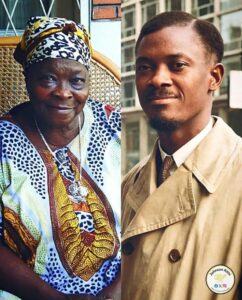
The woman is Pauline Opango Lumumba, widow of Patrice Emery Lumumba, the first Prime Minister of the Democratic Republic of the Congo.
Her image, captured in February 1961, remains one of the most powerful photographs from Africa’s struggle against colonial domination. It tells a story of love, loss, political betrayal and the extraordinary courage of a woman who refused to allow the death of her husband to silence his cause.
A Young Leader With A Continental Dream
Patrice Lumumba was born on 2 July 1925 in the Belgian Congo. He rose from humble beginnings to become one of the most influential African nationalist leaders of his generation.

When the Congo gained independence from Belgium on 30 June 1960, Lumumba became its first Prime Minister.
He was only 34 years old at independence and had been in office for less than three months when political turmoil engulfed the young nation.
Lumumba believed that independence should mean more than replacing European officials with African leaders. It had to deliver genuine political freedom, economic sovereignty and dignity for the Congolese people.
The Congo was rich in copper, uranium, diamonds and other valuable natural resources. Yet its people remained trapped in poverty and colonial exploitation.
Lumumba challenged this arrangement. He wanted Congolese resources to benefit Congolese citizens rather than foreign interests.
His vision, however, collided with powerful domestic and international interests during the Cold War.
The Assassination That Shook Africa
The Congo’s independence was followed by a crisis involving military mutiny, Belgian intervention, political rivalry and the secession of mineral-rich Katanga.
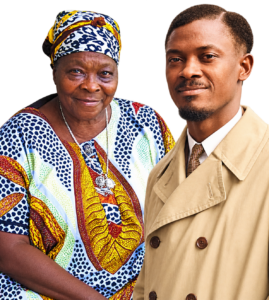
Lumumba’s government was eventually removed from power. He was arrested and transferred to Katanga, where separatist authorities and their Belgian allies viewed him as a threat.
On 17 January 1961, Lumumba was executed alongside two of his political associates, Maurice Mpolo and Joseph Okito.
The killing was followed by an attempt to conceal the crime.
The bodies were dismembered and dissolved in acid. Belgian police officer Gérard Soete later acknowledged his involvement in disposing of the remains. He also retained human remains, including a gold-capped tooth associated with Lumumba.
The assassination became a defining symbol of the struggle between African nationalism and the foreign political and economic interests that continued to influence the continent after independence.
Historical investigations have established Belgium’s moral responsibility for the circumstances leading to Lumumba’s death. The United States also pursued a separate CIA-backed assassination plot, although that plot did not succeed.
Pauline Lumumba: A Widow’s Protest
For Pauline, the assassination was not an abstract political event. It was the destruction of her family.
The photograph that has circulated across generations was taken on 14 February 1961, after the announcement of her husband’s death.
Pauline led a procession of women through Léopoldville, the city now known as Kinshasa. In a traditional expression of mourning, she walked bare-chested, her head shaved.
The procession was more than an act of grief. It was a public demand for justice and for the return of Lumumba’s remains so that he could receive a proper burial.
She and other members of the family sought the intervention of United Nations diplomat Rajeshwar Dayal.
The image of Pauline standing among fully dressed men, visibly expressing her grief, became a symbol of the suffering inflicted upon the Congolese people by the assassination of their independence leader.
Her protest was a statement to the world: a nation could not simply be told that its leader was dead and expected to move on without answers.
The Long Wait For A Burial
Lumumba’s body was never recovered in its entirety.
For decades, his family endured the pain of knowing that the remains of their husband, father and national hero had been deliberately destroyed.
Pauline did not remarry after her husband’s death. She devoted herself to raising their children and preserving his memory.
She died in Kinshasa on 23 December 2014, aged 77, according to Radio Okapi.
In 2022, Belgium returned a gold-capped tooth believed to belong to Lumumba to his family. It was among the few known surviving physical remains of the slain leader.
The return was a deeply emotional moment for the family and the Congolese nation. It was also a reminder that the consequences of colonial violence can endure for generations.
Belgium had earlier acknowledged its moral responsibility in the circumstances surrounding Lumumba’s death. The return of the tooth did not erase the crime, but it represented a significant step in the family’s long pursuit of recognition and dignity.
Mobutu And The Unfinished Promise Of Independence
One of the most disturbing aspects of Lumumba’s assassination was the political future of those associated with the crisis.
Joseph-Désiré Mobutu, who had served as army chief during the events surrounding Lumumba’s downfall, later seized power and became Mobutu Sese Seko.
He ruled the Congo—renamed Zaire—for more than three decades, from 1965 until 1997.
His government received substantial support from Western powers during the Cold War, despite its authoritarian character and record of corruption.
The country’s vast mineral wealth did not translate into prosperity for the majority of its citizens.
The tragedy of the Congo therefore raises a question that remains relevant throughout Africa: what is the meaning of political independence when a country’s resources, institutions and economic future remain vulnerable to the interests of powerful actors?
Africa’s Resources, Africa’s Responsibility
The story of Patrice and Pauline Lumumba is not simply about a political assassination in 1961.
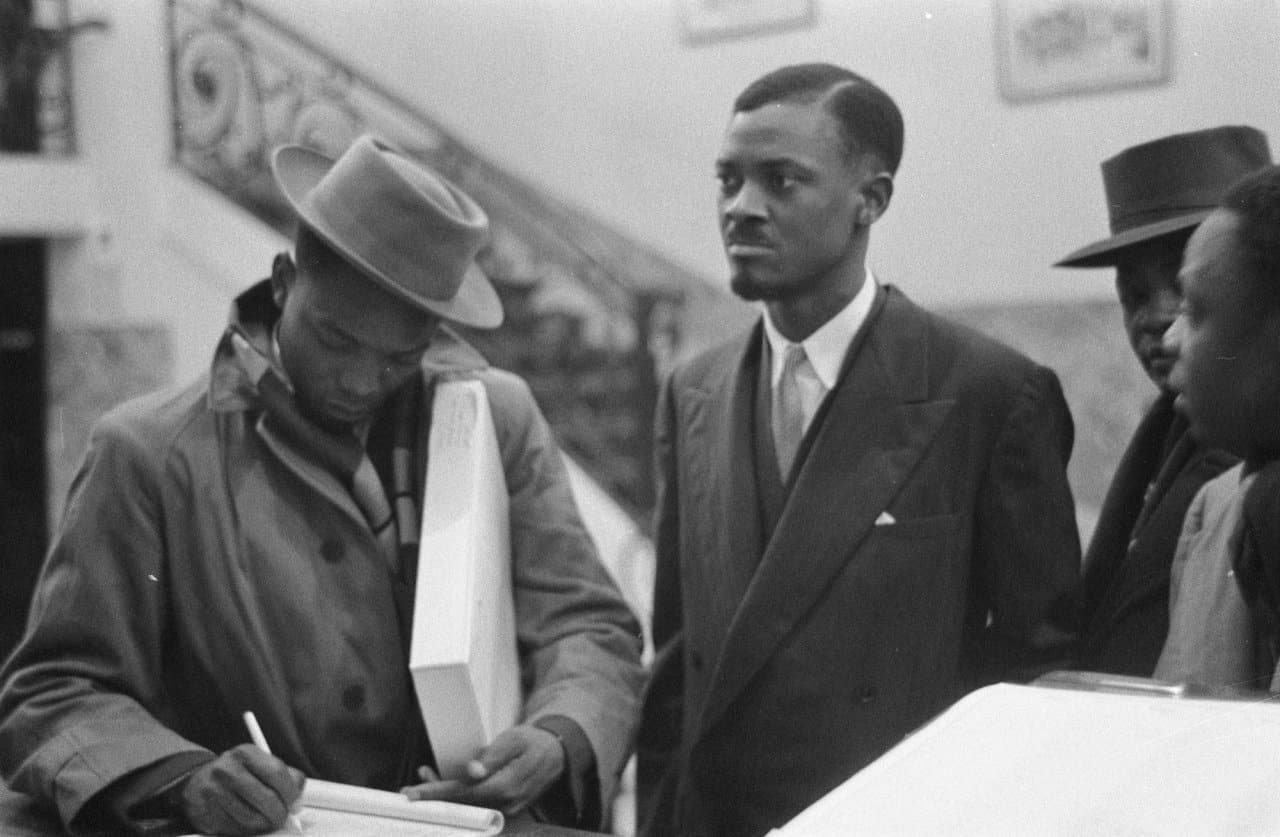
It is about the enduring struggle for African sovereignty.
Across the continent, countries possess enormous natural resources, youthful populations and significant economic potential. Yet many continue to struggle with poverty, inequality, weak institutions and the consequences of external exploitation.
It would be historically simplistic to attribute all Africa’s challenges to foreign interference. Leadership failures, corruption, political instability and poor governance have also contributed significantly.
But it would be equally misleading to ignore the role of colonial exploitation and the international systems that have often placed African resources at the centre of geopolitical competition.
Lumumba’s vision was that the Congo should belong to its people. His words and political actions continue to inspire those who believe that African independence must be accompanied by economic freedom.
Pauline’s photograph remains a reminder of the human cost of that struggle.
She was a wife who lost her husband, a mother who raised children in the shadow of political violence, and a woman who transformed private grief into a public demand for justice.
The Congo’s independence hero was killed. His body was destroyed. His widow marched in mourning. Yet the idea he represented survived.
The question for Africa today is whether the continent can finally fulfil the promise for which Lumumba and countless other freedom fighters sacrificed their lives.
Africa’s poverty is not proof of African laziness. It is a complex historical and contemporary challenge—one that demands honest reflection, accountable leadership, economic justice and the determination to make African resources serve African people.
Editorial note: This article draws on historical reporting and documented accounts.
#PatriceLumumba #PaulineLumumba #AfricanHistory #AfricanLiberation #AfricanSovereignty #UgandaToday