Data War: UBOS Challenges Shs1.66 Trillion National Data Strategy
+256 702 23 93 37: Personal Data And Privacy Must Not Be Overlooked Beyond the institutional disagreement lies a question that affects every Ugandan: how safely will personal information be handled?

UgandaToday: Data War: UBOS Challenges Shs1.66 Trillion National Data Strategy

Uganda’s ambitious plan to overhaul how government collects, stores, shares and uses information has run into a major institutional dispute, with the Uganda Bureau of Statistics (UBOS) questioning the legality of a five-year National Data Strategy estimated to cost more than Shs1.6 trillion.
The disagreement raises important questions about who should oversee the country’s information systems, how public resources will be spent and what safeguards will protect citizens’ personal information as government agencies become increasingly interconnected.
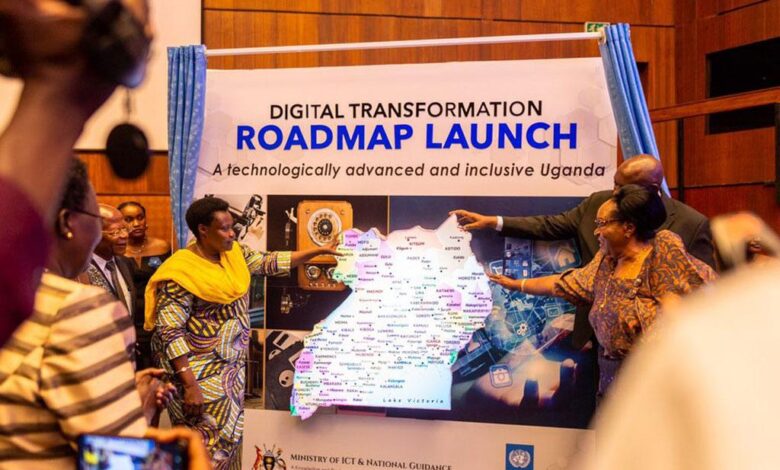
The strategy, launched by the Ministry of ICT and National Guidance on October 20, 2026, is intended to improve the use of data in public administration, economic planning and service delivery. However, UBOS says the initiative duplicates responsibilities already assigned to the bureau by law.
Why UBOS Is Objecting
In a statement issued on October 21, UBOS Executive Director and Chief Statistician Dr Chris N. Mukiza argued that the strategy encroaches on the bureau’s statutory mandate under the Uganda Bureau of Statistics Act, 1998.
UBOS maintains that it is the principal institution responsible for coordinating and supervising Uganda’s National Statistical System, including promoting statistical standards and overseeing the production of official statistics.
The bureau has questioned the need for another framework when existing legislation and statistical development plans already address many of the responsibilities covered by the new strategy.
The controversy is significant because both institutions have legitimate roles in Uganda’s information ecosystem. The Ministry of ICT has responsibilities relating to digital infrastructure and technology policy, while UBOS has a specific legal mandate over official statistics.
The central issue is whether the proposed arrangements can coordinate these functions without creating overlapping authority.
What Is Government Planning To Do?

ICT specialists examining digital information systems. The proposed reforms aim to improve the exchange of information between government institutions and reduce duplication in public service delivery.
The National Data Strategy covers the 2026/27–2030/31 period. Its objective is to make information more accessible, reliable, secure and useful to government, businesses and researchers.
Under the proposed system, information held by different institutions could be managed using common standards and exchanged more efficiently.
For example, a citizen seeking a government service might eventually avoid repeatedly submitting documents that another public agency already holds. Better-connected systems could also help planners identify areas that need schools, health facilities, agricultural support and other services.
The strategy proposes a National Data Office within the Ministry of ICT, alongside a National Data Steering Committee to guide implementation and coordination.
These arrangements have become a major focus of the dispute because UBOS questions whether the proposed governance structure could overlap with powers established by Parliament.
Shs1.66 Trillion: Where Will The Money Come From?
The financial implications make the controversy particularly important.
The strategy’s projected implementation cost is approximately Shs1.66 trillion over five years. The proposed financing combines government resources with contributions anticipated from development partners, the private sector and revenue associated with data-related services.
Such an investment could support better digital infrastructure, improve the quality of public records and create opportunities for technology-based businesses.
However, the public deserves a clear explanation of how the funds will be allocated, which institutions will be accountable for implementation and how government will measure the benefits.
The projected cost should not be confused with money already released or spent. Government needs to demonstrate how the programme will be financed and how the expenditure will be monitored.
Personal Data And Privacy Must Not Be Overlooked
Beyond the institutional disagreement lies a question that affects every Ugandan: how safely will personal information be handled?
Government institutions maintain records relating to national identification, taxes, education, healthcare and other services. Connecting these systems could improve efficiency, but it also increases the importance of access controls, cybersecurity and clear rules governing the use of sensitive information.
Citizens need assurance that information collected for one purpose will not be accessed or shared improperly.
The implementation of the strategy should therefore be accompanied by transparent rules on data access, security, accountability and remedies where information is misused.
Digital transformation must improve services without weakening public confidence in government.
A Legal Clarification Is Needed
The disagreement should not be settled through public exchanges alone.
Government needs to explain how the proposed National Data Office will operate alongside UBOS and other statutory institutions. Where existing laws establish clear responsibilities, those provisions must be respected. If legislative changes are necessary, they should follow the proper legal process.
At the same time, the existence of a dispute does not, by itself, establish that the entire strategy is unlawful. That conclusion would require a proper assessment of the relevant legislation and the powers proposed under the new framework.
Parliament, the Attorney General and the responsible ministries have important roles in ensuring that the institutional arrangements are legally sound.
The Bottom Line
Uganda needs reliable information to plan public services, attract investment and improve accountability. But the success of a national data programme depends on more than technology and funding.
It requires clear institutional responsibilities, sound legal foundations, transparent procurement and strong protection of citizens’ information.
The government now faces the task of resolving the disagreement without losing sight of the potential benefits of a better-connected digital economy.
For Ugandans, the real test will be whether the Shs1.66 trillion plan produces measurable improvements in public services while safeguarding their rights.
#UgandaToday #Uganda #DigitalTransformation #UBOS #DataProtection #PublicAccountability