Fresh Lake Bunyonyi Drowning Raises Urgent Questions About Water Safety In Uganda
+256 702 23 93 37: The circumstances of individual incidents require careful verification, but the recurring reports raise a broader public-interest question: what more can communities, schools, local authorities and water transport operators do to prevent avoidable deaths?

UgandaToday: Fresh Lake Bunyonyi Drowning Raises Urgent Questions About Water Safety In Uganda

By UgandaToday News Desk | October 15, 2026
Another reported drowning at Lake Bunyonyi has renewed concerns about water safety, community awareness and the need for stronger preventive measures around Uganda’s lakes.
Uganda Radio Network reported on October 13 that nine-year-old Prossy Akoragye, from Kagugo Village in Rubaya Sub-county, Kabale District, had drowned at the lake. The report adds to recent accounts of drowning incidents in the area.
The circumstances of individual incidents require careful verification, but the recurring reports raise a broader public-interest question: what more can communities, schools, local authorities and water transport operators do to prevent avoidable deaths?
A National Safety Concern
Uganda’s lakes and rivers support fishing, transport, tourism, recreation and household livelihoods. Yet these same water bodies can become dangerous when people enter them without adequate precautions or when boats operate without appropriate safety equipment.
Children are particularly vulnerable where homes, schools, paths and fishing activities bring them close to water.
Preventing drowning requires more than issuing warnings after a tragedy. Communities need practical education, accessible safety equipment and arrangements for responding quickly when someone falls into the water.
Children Need Special Protection
Children who live near lakes and rivers should be taught basic water-safety rules from an early age.
Parents and guardians can reduce risks by supervising young children around water, establishing safe play areas and ensuring children do not approach boats or deep water alone.
Schools in lakeside communities can incorporate water-safety awareness into lessons and community outreach programmes.
Local leaders should also identify high-risk locations, particularly areas where children regularly cross, swim or play near the water.
Swimming ability alone is not a guarantee of safety. Currents, sudden depth changes, cold water, panic and exhaustion can overwhelm even people who have some swimming experience.
Boat Operators And Local Authorities Have A Role
For people travelling by boat, properly fitted life jackets should be available and worn. Operators should avoid overloading vessels and should pay attention to weather conditions, visibility and the condition of their boats.
District authorities, police marine units and other relevant agencies can support prevention through safety inspections, public education and emergency-response planning.
Communities also need reliable ways to alert rescue personnel quickly when a person disappears in the water.
Where incidents occur, timely and accurate communication from authorities can help establish the circumstances, guide preventive action and counter speculation.
Tourism Must Go Hand In Hand With Safety
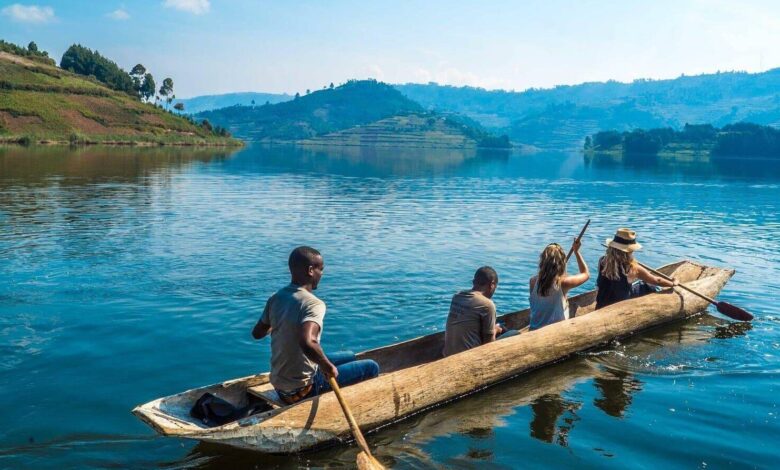
Lake Bunyonyi is widely recognised for its scenery and island landscape, making it an important tourism destination in southwestern Uganda.
Protecting visitors and residents should be an essential part of managing such destinations. Tour operators, accommodation providers, boat owners and community leaders can work together to promote safe boating and responsible recreation.
Clear safety instructions, visible warnings at hazardous locations, available life jackets and trained responders would strengthen public confidence while helping protect lives.
Water safety should not be treated as an obstacle to tourism. It is part of responsible tourism management.
Turning Tragedy Into Prevention
Every drowning represents a human loss that extends beyond the immediate victim to parents, relatives, friends and the wider community.
The latest reported incident at Lake Bunyonyi should therefore prompt renewed attention to prevention, especially around children and communities whose daily lives are closely connected to water.
Relevant authorities and local leaders should review recurring incidents, identify preventable risks and make safety education a sustained priority rather than a temporary response to tragedy.
Editorial takeaway: Uganda’s lakes are a source of livelihood, beauty and opportunity. Protecting the people who live, work and travel around them must remain a shared responsibility.


Hashtags: #UgandaToday #LakeBunyonyi #WaterSafety #ChildProtection #PublicSafety #PhoenixNewsFeeds