Young Ugandan’s Video Challenges Muhoozi Over Abductions, Torture And Human Rights
+256 702 23 93 37: Circulating Video Raises Difficult Questions About Military Power, Accountability And The Rights Of Ugandans

UgandaToday: Young Ugandan’s Video Challenges Muhoozi Over Abductions, Torture And Human Rights
Circulating Video Raises Difficult Questions About Military Power, Accountability And The Rights Of Ugandans
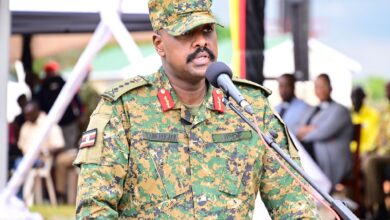
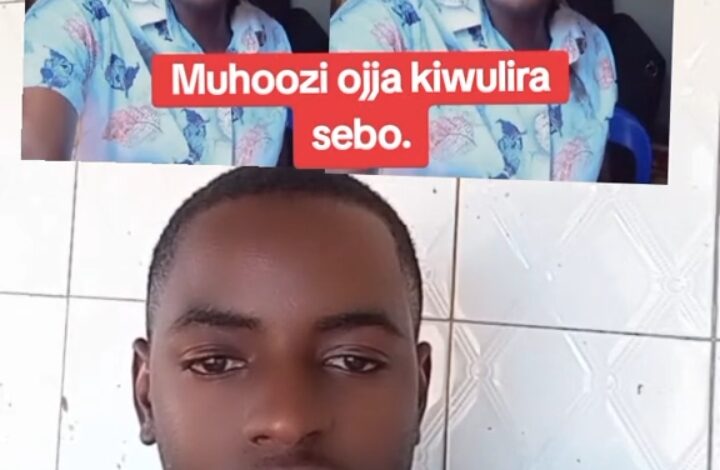
A video produced by an unidentified young Ugandan commentator is attracting attention for its outspoken criticism of Gen. Muhoozi Kainerugaba, Uganda’s Chief of Defence Forces, over allegations of abductions, unlawful detention, torture and other human-rights violations.
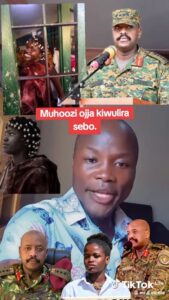
The video, reviewed by Uganda Today, features the young man speaking directly to the camera while photographs of Gen. Muhoozi and other security-related images appear on screen.
The commentator makes serious accusations against the military leadership and questions the treatment of Ugandans perceived to be critical of the Government.
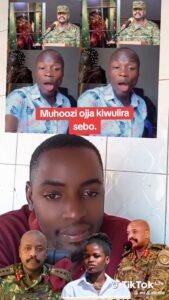
Uganda Today has not independently established the identity of the speaker, the circumstances under which the video was produced, or independently verified every allegation made in it.
Nevertheless, the video raises questions that are difficult to dismiss simply as social-media rhetoric because some of the broader concerns it addresses have also been documented by human-rights organisations, lawyers, opposition politicians and sections of the Ugandan media.
A Video That Goes Beyond Political Rhetoric
The central message of the video is a challenge to Gen. Muhoozi over what the speaker portrays as the abuse of state power and the alleged targeting of Ugandans through abductions, detention and torture.
Its significance, therefore, is less about establishing the truth of every statement made by the young man and more about what the video reveals about the growing public debate over military power, political dissent and accountability in Uganda.
The video comes at a time when allegations surrounding security-force detention have become an increasingly prominent national issue.
Human Rights Watch reported in July 2026 that Ugandan security forces had allegedly seized government critics, held some incommunicado and subsequently subjected them to criminal proceedings. The organisation documented cases involving lawyer Erias Lukwago, activist Miria Matembe, journalist Timothy Kalyegira, National Unity Platform deputy president Muwanga Kivumbi and others.

The Lukwago Case Put The Spotlight On Muhoozi
One of the most prominent episodes involved former Kampala Lord Mayor and lawyer Erias Lukwago.
Lukwago was seized by armed security personnel in June 2026 as a legal dispute involving Gen. Muhoozi was unfolding.
According to reporting by Daily Monitor, Lukwago’s wife said armed soldiers forced their way into their Wakaliga residence and took him away. The incident prompted a legal application seeking his production and release.
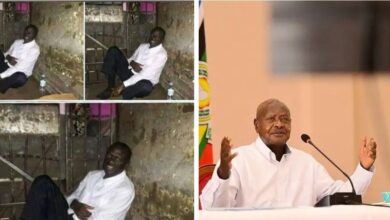
The controversy intensified after photographs apparently showing Lukwago blindfolded in an undisclosed location were published from Gen. Muhoozi’s social-media account. Daily Monitor reported that opposition politicians and civil-society actors described the circumstances as unlawful and raised concerns about the treatment of government critics.
Human Rights Watch subsequently included the Lukwago case among a series of alleged unlawful detentions involving government critics.
These developments give context to why a young Ugandan would produce a video questioning the conduct of the military leadership.
From Lukwago To Matembe And Kivumbi
The controversy did not end with Lukwago.
Human Rights Watch reported that Miria Matembe, a prominent activist and former minister, was allegedly taken to an unknown detention facility for two days before being transferred to a police station.
The organisation also documented allegations concerning Muwanga Kivumbi, who was reportedly seized by armed soldiers and later charged in connection with terrorism-related allegations.
Kivumbi subsequently described being blindfolded, beaten and detained in an unidentified location. Human Rights Watch reported that a witness who saw him after his release observed injuries and scars.
Such accounts do not automatically establish that Gen. Muhoozi personally ordered or participated in every alleged violation.
They do, however, make the broader questions raised by the video legitimate matters for public scrutiny.
The Eddie Mutwe Precedent
The controversy surrounding the video also echoes the earlier case of Eddie Mutwe, a bodyguard of opposition leader Robert Kyagulanyi Ssentamu, popularly known as Bobi Wine.
Amnesty International reported that Mutwe was forcibly disappeared in April 2025 and that Gen. Muhoozi later claimed responsibility for his disappearance and torture in a social-media post that was subsequently deleted.
Mutwe was later taken to court by UPDF personnel, and Uganda’s Justice Minister reportedly described him as being in a visibly weak condition and showing signs of torture. His lawyer also alleged that he had been electrocuted during detention.
The Latest Safe-House Controversy
The video also arrives amid renewed public debate about alleged military safe houses.
Recent reporting concerning alleged footage from purported detention facilities has raised questions about the whereabouts and condition of opposition activist Sam Mugumya.
Daily Monitor reported on October 3, 2026 that Gen. Muhoozi had threatened to shoot Mugumya, while also reporting on leaked footage purporting to show Mugumya in a severely distressed condition. The newspaper noted that the footage had been filmed at an unknown date and undisclosed location.
Separately, JEEMA has called for Mugumya to be produced alive before the High Court and for an independent investigation into allegations of torture at a Special Forces Command detention facility.
These developments are especially relevant because they demonstrate that the questions being raised by the young commentator are not occurring in isolation.
But Allegations Must Not Become Verdicts
For Uganda Today, there is an important journalistic line to maintain.
The fact that credible organisations have documented allegations of unlawful detention or torture does not mean that every accusation made in a social-media video has been proven.
Indeed, Uganda’s courts have also dealt with allegations of unlawful detention and human-rights violations in cases involving Gen. Muhoozi.
In July 2026, the High Court dismissed an application by Dr Kizza Besigye and another applicant seeking to terminate criminal proceedings over alleged abduction and detention, describing the relevant affidavit evidence as speculative and directing that the criminal trial proceed.
That judicial development is important because responsible journalism must present competing claims rather than selectively report only one side.
Uganda’s Constitution Is Clear On Torture
Uganda’s constitutional framework provides an important standard against which these allegations should be examined.
Article 24 of the Constitution prohibits torture and cruel, inhuman or degrading treatment or punishment.
Article 23 protects personal liberty and provides safeguards for people who are arrested or detained, including requirements concerning lawful detention and access to legal protections.
The constitutional protection against torture is especially important because Article 44 identifies freedom from torture and cruel, inhuman or degrading treatment or punishment among rights that shall not be derogated from.
Consequently, allegations of torture by any state agency should not be treated merely as political arguments.
They should be subjected to credible, independent investigation.
What The Video Ultimately Asks
The unidentified young man’s video raises a fundamental question:
Who watches the watchers?
If security agencies are accused of abducting citizens, where are those people held?
Who authorises their detention?
Are detention facilities properly gazetted?
Are detainees given access to lawyers and relatives?
Are allegations of torture independently investigated?
And, perhaps most importantly, who is held accountable when state power is allegedly abused?
Those questions should concern supporters and opponents of the Government alike.
They are questions about the rule of law rather than political allegiance.
A Platform For Public Debate, Not A Substitute For Investigation
Uganda Today considers the video relevant for publication because it captures an increasingly important strand of Ugandan public discourse: the growing willingness of young citizens to use digital platforms to challenge powerful institutions and senior state officials.
But publication should not be confused with endorsement.
The video is presented to readers as the views and allegations of its unidentified creator, alongside independently documented evidence and the responses or denials of the authorities.
Gen. Muhoozi Kainerugaba and the UPDF should be given an opportunity to respond specifically to the allegations contained in the video.
The strongest journalism is not journalism that declares guilt before investigation.
It is journalism that asks difficult questions, documents the evidence, gives the accused an opportunity to respond, protects victims and insists that those entrusted with state power remain answerable to the law.
EDITORIAL NOTE: The accompanying video is reproduced for purposes of public-interest commentary and discussion. Its allegations have not been independently verified by Uganda Today. Readers should distinguish between claims made by the video’s creator and matters independently established by courts, official investigations or credible human-rights reporting.
#UgandaToday #MuhooziKainerugaba #HumanRights #Uganda #RuleOfLaw #Accountability