
Besigye’s Courtroom Collapse Sparks Outrage, Cross-Border Reflection on Justice and Democracy
+256 702 239 337: A Courtroom Moment That Reverberated Beyond Uganda According to the commentary, Besigye's collapse in the courtroom became a powerful symbol of resistance rather than defeat. The anonymous author contends that the incident shifted attention away from the charges before court and onto broader questions surrounding the administration of justice.


UgandaToday: Besigye’s Courtroom Collapse Sparks Outrage, Cross-Border Reflection on Justice and Democracy
By UgandaToday
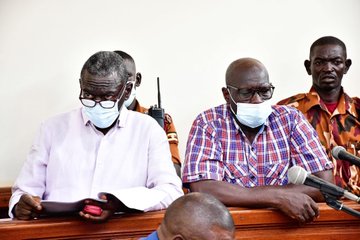
The dramatic collapse of veteran opposition politician Dr. Kizza Besigye during court proceedings has continued to generate intense reactions both within Uganda and across the East African region, with a commentary by an anonymous Kenyan writer portraying the incident as a defining moment in the country’s justice system.
The emotional piece, widely shared on social media, argues that Besigye’s physical collapse transcended his personal ordeal, instead exposing what the author describes as deeper institutional weaknesses in Uganda’s governance and judicial processes.
A Courtroom Moment That Reverberated Beyond Uganda
According to the commentary, Besigye’s collapse in the courtroom became a powerful symbol of resistance rather than defeat. The anonymous author contends that the incident shifted attention away from the charges before court and onto broader questions surrounding the administration of justice.
The writer claims that the confusion which reportedly followed the incident—including court officials and legal actors temporarily leaving the courtroom—highlighted the unexpected impact of the dramatic turn of events.
While these observations reflect the author’s personal interpretation, the courtroom scenes have nonetheless sparked widespread debate across social media and political circles.
Kenya’s Role Draws Renewed Scrutiny
The commentary also turns its attention to Kenya, arguing that Besigye’s legal troubles have regional implications.
Referring to Besigye’s arrest before his return to Uganda, the writer accuses the administration of William Ruto of betraying Kenya’s constitutional traditions by allegedly facilitating events that led to the Ugandan opposition figure’s prosecution.
The author characterises this as a lasting stain on Kenya’s commitment to constitutionalism, human rights and the rule of law—a view that remains the opinion of the commentator rather than an established legal finding.
A Call Against Fear and Political Silence
Beyond the courtroom, the article evolves into a broader reflection on governance in East Africa.
The anonymous Kenyan author argues that authoritarian systems endure when fear becomes normalised, urging Ugandans to determine their country’s future through civic participation and peaceful democratic engagement.
The writer similarly calls upon Kenyan voters to hold leaders accountable through the ballot box, emphasising that political authority ultimately belongs to the electorate.
Shared Democratic Destiny
One of the strongest themes running through the commentary is the belief that democracy and justice cannot be confined within national borders.
The author argues that developments in Uganda inevitably affect neighbouring countries, insisting that attacks on freedom or justice in one African state should concern the entire continent.
The piece concludes by asserting that although Besigye’s body may have failed him during the court session, his collapse symbolically challenged the credibility of the institutions overseeing his prosecution.
Debate Continues
Besigye’s courtroom collapse has become one of the most discussed political developments in recent weeks, generating sharply divided reactions from government supporters, opposition figures, civil society organisations and regional observers.
While supporters of the opposition view the incident as evidence of mounting concerns over human rights and due process, government officials have consistently maintained that judicial proceedings are conducted in accordance with Ugandan law.
As public debate continues, the courtroom episode has evolved beyond a single legal proceeding into a wider regional conversation about constitutional governance, judicial independence and democratic accountability in East Africa.