Mbeki’s Blistering Diagnosis: ‘Foreign Africans Didn’t Create South Africa’s Crisis’
+256 702 239 337: A Nation Looking for the Wrong Culprit: Speaking with characteristic candour, Mbeki argued that many South Africans have been encouraged to "chase ghosts" while those responsible for the country's economic decline remain largely unchallenged.

UgandaToday: Mbeki’s Blistering Diagnosis: ‘Foreign Africans Didn’t Create South Africa’s Crisis’
By UgandaToday Political Desk
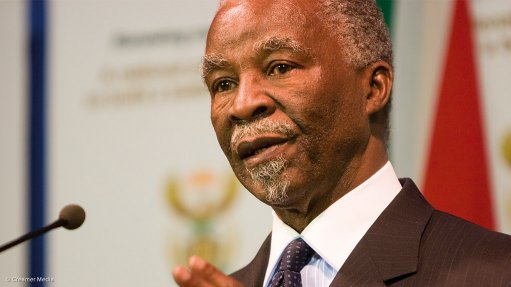
Former South African President Thabo Mbeki has delivered one of his strongest rebukes yet against growing anti-immigrant sentiment in South Africa, arguing that the country’s economic and social challenges are being wrongly blamed on fellow Africans instead of the real structural failures that have plagued the nation for years.
In remarks that have resurfaced and gone viral across social media amid renewed hostility towards foreign nationals, Mbeki dismissed claims that undocumented African migrants are responsible for South Africa’s unemployment, crime and sluggish economic growth. Instead, he described such accusations as a dangerous distraction from the country’s deeper governance and economic problems.
A Nation Looking for the Wrong Culprit
Speaking with characteristic candour, Mbeki argued that many South Africans have been encouraged to “chase ghosts” while those responsible for the country’s economic decline remain largely unchallenged.
According to Mbeki, South Africa enjoyed periods of robust economic growth in the years following the end of apartheid, reaching growth rates that significantly reduced poverty and created employment. He contends that the country’s economic slowdown began years later because of domestic policy failures—not because African migrants entered the country.
His central message was unmistakable: undocumented migrants did not manufacture South Africa’s unemployment crisis, nor are they the architects of its economic stagnation.
Xenophobia Returns to the Headlines
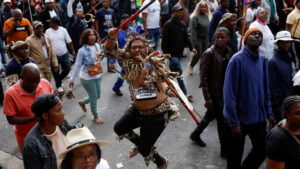
Mbeki’s remarks come at a time when South Africa is once again battling widespread anti-foreigner protests.
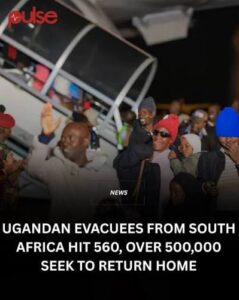
In recent weeks, thousands of foreign nationals from countries including Nigeria, Malawi, Zimbabwe, Uganda, Ghana and Kenya have fled their homes, fearing attacks after anti-immigration groups issued ultimatums demanding undocumented migrants leave the country.
The protests have led to violence, looting, business closures and the evacuation of hundreds of African nationals by their home governments. At least four people have reportedly lost their lives during the unrest.
Political Scapegoating?
Mbeki has gone even further, suggesting that recurring anti-immigrant campaigns are not spontaneous expressions of public anger but are often politically manufactured.
He argues that blaming vulnerable foreign nationals diverts public attention away from difficult conversations about governance, corruption, weak economic planning and persistent inequality.
According to Mbeki, frustration over unemployment and poverty should be directed at fixing South Africa’s economic model rather than targeting African migrants seeking opportunities.
Ramaphosa’s Position Draws Criticism
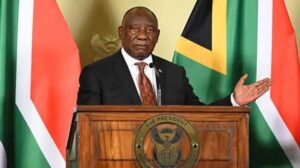
Without sparing the current administration, Mbeki has criticised the approach of President Cyril Ramaphosa to migration.
He argued that statements linking illegal immigration to unemployment, crime and poor economic performance risk legitimising public hostility towards foreign nationals.
Mbeki warned that such narratives threaten South Africa’s long-standing commitment to Pan-Africanism and could undermine relations with neighbouring African states whose citizens contributed to the struggle against apartheid.
The Pan-African Vision Under Threat
Throughout his political career, Mbeki has championed the concept of an “African Renaissance”—a vision built on continental unity, economic cooperation and shared development.
His latest intervention reflects concern that xenophobic violence not only endangers innocent lives but also weakens Africa’s collective aspirations.
For Mbeki, South Africa cannot claim continental leadership while simultaneously turning against fellow Africans who seek refuge or economic opportunity within its borders.
A Debate Dividing South Africa
Mbeki’s comments have generated sharply divided reactions.
Supporters argue he is exposing uncomfortable truths about years of policy failures and economic mismanagement. Critics, however, insist that illegal immigration places undeniable pressure on public services, employment opportunities and law enforcement.
The debate has intensified as social media users circulate clips of Mbeki’s remarks, with some praising his defence of Pan-African solidarity while others accuse him of overlooking legitimate concerns about border management and undocumented migration.
Beyond Immigration
Perhaps the most enduring message from Mbeki’s intervention is his insistence that South Africa’s problems cannot be solved by expelling fellow Africans.
He maintains that lasting solutions lie in rebuilding the economy, creating jobs, improving governance, fighting corruption and restoring public confidence in state institutions.
As South Africa grapples with one of the most difficult periods in its democratic history, Mbeki’s diagnosis challenges both politicians and citizens to ask whether the country is confronting the real causes of its crisis—or merely finding convenient scapegoats.