The Silence in Uganda’s Political Animal Farm: Between Power, Succession and the Weight of History
In Uganda’s current political landscape, where President Yoweri Kaguta Museveni’s long tenure continues to shape national conversations and his son, Gen. Muhoozi Kainerugaba, occupies an increasingly visible position in political discussions about the future, Orwell’s fictional farm provides a framework through which observers are interpreting questions of power, succession, loyalty, and governance

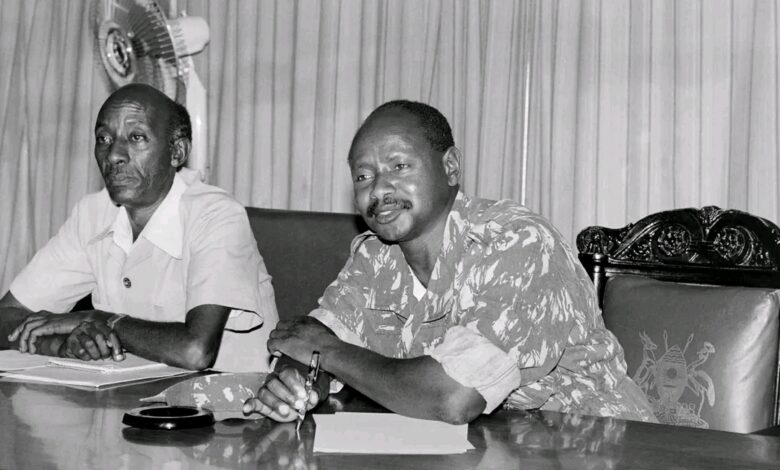
UgandaToday: The Silence in Uganda’s Political Animal Farm: Between Power, Succession and the Weight of History
By UgandaToday Political Desk
When Orwell’s Animal Farm Meets Uganda’s Political Reality
George Orwell’s classic political satire Animal Farm has remained one of the world’s most powerful literary mirrors for examining revolutions, power, leadership, and the gradual transformation of liberating ideals into systems dominated by privilege and control.
The famous farm where animals once dreamed of equality became a symbol of how political promises can evolve, how power can reshape relationships, and how societies can enter moments of uncomfortable silence when citizens begin reflecting on the direction of their future.
In Uganda’s current political landscape, where President Yoweri Kaguta Museveni’s long tenure continues to shape national conversations and his son, Gen. Muhoozi Kainerugaba, occupies an increasingly visible position in political discussions about the future, Orwell’s fictional farm provides a framework through which observers are interpreting questions of power, succession, loyalty, and governance.
The comparison is not about replacing Uganda’s political realities with fiction, but about examining how themes from literature often reappear throughout history.
The Farm That Fell Silent
In Orwell’s story, the animals initially celebrated a revolution built around promises of freedom, equality, and dignity. The old order was rejected, and a new future was promised.
However, as time passed, the animals began noticing changes.The leadership class became increasingly separated from the ordinary animals. Rules that were once considered sacred appeared to be adjusted to protect those in power. The language of equality remained, but the lived experiences of many animals became increasingly different.
The silence that eventually covered the farm represented something deeper than fear.
It represented reflection.
It represented a population watching, remembering, and questioning.
Across Uganda, political discussions have increasingly focused on similar themes: the future of leadership, the role of institutions, the meaning of loyalty, and whether national interests can remain bigger than individual political ambitions.
The Politics of Succession and the Weight of Expectations
Few political questions generate as much debate as succession.
President Museveni, who has led Uganda since 1986, has repeatedly defended the achievements of his government, highlighting stability, infrastructure development, economic growth, and national security as key pillars of his leadership.
However, critics and opposition voices have continued to raise questions about democratic space, political freedoms, human rights concerns, and the concentration of power around the presidency.
The emergence of Gen. Muhoozi Kainerugaba as a prominent figure in national political conversations has added another layer to the debate.
Supporters view him as a young leader with security experience and a possible continuation of the ruling movement’s vision.
Critics question whether political succession should be based on family proximity or broader democratic processes that allow citizens to determine leadership through institutions.
Like Orwell’s farm, the debate is ultimately about a central question:
Who owns the future of the farm — the leaders or the animals who live on it?
The Silence of Citizens
In many political systems, silence can mean many things.
It can mean approval.
It can mean fear.
It can mean exhaustion.
But sometimes silence represents observation.
Citizens often watch political developments carefully. They measure promises against realities. They remember past statements and compare them with present circumstances.
Uganda’s political history, like that of many nations, contains memories of different eras, different leaders, and different struggles. The experiences of previous generations continue to influence how citizens interpret today’s events.
The old donkey in Orwell’s story understood one thing: power is temporary.
History has repeatedly shown that political systems that appear permanent can change unexpectedly. Leaders who seem untouchable can eventually face new realities brought by time, changing generations, and public expectations.
The Changing Commandments of Power
One of Orwell’s strongest warnings was about how political language can be transformed.
Words such as freedom, revolution, equality, patriotism, and stability can mean different things depending on who controls the narrative.
In Uganda’s political environment, competing interpretations of these words continue to shape national debate.
To government supporters, stability remains the foundation upon which development is built.
To critics, stability without stronger accountability and institutional independence risks becoming an excuse for limiting political competition.
The disagreement is not only about individuals.
It is about the nature of governance itself.
The Question Uganda Must Eventually Answer
Every political generation eventually faces a defining question:
What kind of country does it want to leave behind?
A country where institutions are stronger than personalities?
A country where leadership transitions are predictable and peaceful?
A country where criticism is viewed as part of democracy rather than hostility?
Or a country where political survival becomes the central measure of success?
Orwell’s warning was not simply about one farm.
It was about all societies.
It was a reminder that revolutions, governments, and leaders must constantly be measured against the ideals they claim to represent.
The Silence Before the Next Chapter
The silence on Orwell’s Animal Farm was not empty.
It carried memories of promises made, sacrifices offered, and questions unanswered.
In Uganda’s political landscape, the growing conversations around leadership, succession, and national direction suggest that citizens are not merely spectators.
They are observers of history as it unfolds.
And history, as the old donkey understood, moves slowly — until suddenly it moves very fast.
The future of any farm is ultimately determined not only by those who occupy the farmhouse, but also by the voices, choices, and hopes of all who call it home.
#UgandaToday
#UgandaPolitics
#LeadershipAndSuccession
#YoweriMuseveni
#MuhooziKainerugaba
#PhoenixNewsFeeds