Could 12 May 2026 Become a Defining Moment in Uganda’s Political History?
+256 702 239 337: A Ceremony Amidst Controversy According to Odoy, the inauguration is taking place under a cloud of unresolved electoral disputes, allegations of human rights violations, and growing public frustration over governance and economic hardships.

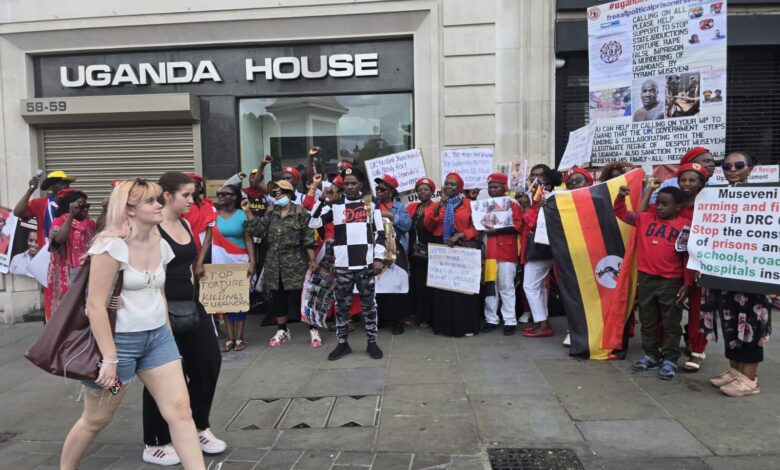
UgandaToday: Could 12 May 2026 Become a Defining Moment in Uganda’s Political History?
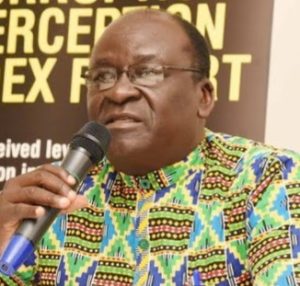
By Dr. John Mary Odoy (PhD), Senior Citizen and Human Rights Champion
The swearing-in of Uganda’s declared presidential election winner on May 12, 2026, has sparked deep political reflection, anxiety, and debate among sections of the population questioning the credibility of the country’s democratic trajectory.
For veteran human rights advocate Dr. John Mary Odoy, the occasion is far from a routine constitutional ceremony. He describes it as a moment that risks symbolising the widening gap between state power and citizens’ aspirations for justice, democracy, and accountable governance.
A Ceremony Amidst Controversy
According to Odoy, the inauguration is taking place under a cloud of unresolved electoral disputes, allegations of human rights violations, and growing public frustration over governance and economic hardships.
He argues that swearing in a leader amid widespread political contestation risks reopening societal wounds linked to Uganda’s electoral history. In his view, many Ugandans continue to grapple with concerns over arrests of dissenting voices, prolonged detentions, shrinking civic space, and the perceived weakening of democratic institutions.
Odoy further contends that the political atmosphere surrounding the ceremony reflects what he terms as “a crisis of legitimacy,” warning that continued public mistrust in electoral processes could deepen national divisions.
Concerns Over Governance and Civil Liberties
The senior citizen and human rights campaigner paints a grim picture of Uganda’s current governance environment, pointing to what he describes as deteriorating public services, economic strain, and declining institutional independence.
He particularly raises concern over the state of civil liberties, arguing that freedoms of expression, assembly, and political participation have increasingly come under pressure. He also criticises what he sees as the growing influence of the executive arm of government over traditionally independent institutions such as Parliament, the Judiciary, and the Electoral Commission.
According to Odoy, the political climate has increasingly become defined by fear, suppression, and limitations on dissenting voices from opposition leaders, civil society organisations, journalists, activists, and religious institutions.
Controversial Legislation Under Scrutiny
A major focus of Odoy’s critique is the recent passage of controversial legislation, including the Protection of Sovereignty Bill, the UPDF-related military court legislation, and laws affecting civil society organisations and the coffee sector.
He alleges that such laws primarily serve to consolidate executive authority rather than strengthen democratic governance and constitutional freedoms.
In strongly worded remarks, Odoy accuses sections of Parliament of enabling what he describes as the erosion of democratic values through the forceful enactment of legislation that critics say may restrict civic and political freedoms.
“A Doomsday” or a Wake-Up Call?
While describing May 12, 2026, as a potential “doomsday” for Uganda’s democracy, Odoy says the day should instead awaken citizens to the urgent need for civic action, accountability, and national dialogue.
He warns that unless Uganda recommits itself to democratic reforms and protection of human rights, the country risks further political polarisation, incarceration of dissenting voices, and continued social despair.
Nonetheless, he insists that solutions to Uganda’s political challenges must emerge from within the country itself, urging citizens to peacefully stand up for democratic principles and constitutional governance.
Quoting a Buganda proverb, “Nannyini muffu yakwata awawunya” — loosely translated as “the owner of the corpse must touch where it smells” — Odoy argues that Ugandans themselves bear the responsibility of confronting and resolving the country’s political crisis.
UgandaToday Editorial Disclaimer
The views expressed in this commentary are solely those of Dr. John Mary Odoy and do not necessarily reflect the editorial position of UgandaToday, its publishers, editors, or affiliates. UgandaToday remains committed to balanced journalism, democratic discourse, constitutionalism, and the presentation of diverse perspectives on matters of national importance.
#UgandaToday #PhoenixNewsFeeds #OperaNewsFeeds #UgandaPolitics #HumanRightsUG
#DemocracyInUganda