Uganda Today: UNCC Rebukes Misinformation Linking Staple Foods to Diabetes, Urges Responsible Reporting
By Uganda Today Correspondent | July 31, 2025
The Uganda National Civil Society Coalition on Front of Pack Warning Labelling (UNCC-FOPWL) has issued a stern rebuttal to what it terms as “scientifically inaccurate” claims made in a recent New Vision article alleging that Uganda’s staple foods are a cause of Type 2 Diabetes (T2D). The coalition’s public statement, released on July 31, 2025, aims to clarify the etiology of the disease and correct public misconceptions triggered by the sensational headline “Staple Foods Causing Diabetes,” published a day earlier.
UNCC press release on DM and Staple foods 31.07.2025
In its release, the UNCC cautioned that such claims risk inciting public panic, distorting scientific facts, and unjustly stigmatizing nutritious and culturally significant traditional foods like matooke, cassava, millet, and beans.
Complex Causes, Not Cassava
According to UNCC, Type 2 Diabetes is a multi-factorial metabolic disorder shaped by a mix of genetic, behavioral, environmental, and lifestyle factors — not by any single dietary item. The coalition highlighted that the principal contributors to T2D include the consumption of ultra-processed foods high in sugars, unhealthy fats, and salt, sedentary behavior, tobacco use, alcohol abuse, and chronic stress.

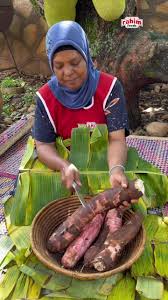
The coalition referenced a 2025 study by Kiguli et al. conducted in Busia and Bugiri, which was cited in the New Vision article. While the study acknowledges cultural influences on dietary habits, it does not implicate traditional foods as direct causes of diabetes. Rather, the study underscored the growing risks stemming from lack of dietary diversity and modern, less active lifestyles.
Defending Uganda’s Food Culture
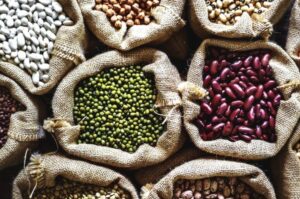
UNCC emphasized that traditional Ugandan staples are nutrient-dense and foundational to the nation’s nutritional security. “These foods are not inherently dangerous,” the statement stressed. Instead, it warned against the creeping replacement of indigenous diets with aggressively marketed ultra-processed alternatives that contribute more directly to the growing diabetes crisis.
The coalition encouraged Ugandans to prioritize a balanced and diverse diet that incorporates vegetables, fruits, legumes, and whole grains — and to limit the intake of packaged and sugary products.
Strategic Health Advice for Prevention
As part of its broader public health message, the coalition recommended a suite of preventive strategies:
-
Eat a balanced, diversified diet rooted in traditional whole foods.
-
Reduce consumption of ultra-processed, sugar-laden products.
-
Engage in regular physical exercise, at least 30 minutes daily.
-
Eliminate tobacco use and limit alcohol intake.
-
Manage chronic stress and prioritize mental well-being.
-
Get regular health screenings, especially for those with a family history of diabetes.
A Call for Journalistic Integrity
The coalition also delivered a pointed message to media practitioners, urging them to uphold scientific accuracy and avoid sensationalism. “We urge journalists to consult qualified experts before reporting on complex health topics,” said the statement, which decried the damaging potential of misleading headlines.
UNCC expressed willingness to partner with the media on future reporting around non-communicable diseases and nutrition, offering expert input to ensure the public receives informed, actionable guidance.
Towards a Healthier Uganda
Signed by top leaders from CEFROHT, CONSENT, SEATINI Uganda, and FIAN Uganda, the statement reaffirmed the coalition’s commitment to empowering communities through accurate, culturally relevant health communication.
“We must collectively combat misinformation, reduce stigma, and build a healthier nation,” concluded the coalition.
📍 Website: https://www.ugandatoday.co.ug
📱 WhatsApp: +256 702 239 337
🐦 X (formerly Twitter): @uganda43443 |
📧 Email: ugandatodayedition@gmail.com
Let’s help you grow your brand and keep your audience informed. Partner with Uganda Today—where your story matters in shaping the social and economic dynamics of the country.
Publisher