UgandaToday: Diana Katabarwa’s Advice to Jailed NUP Activist Olivia Lutaaya Misses the Democratic Point
By Uganda Today Political Desk
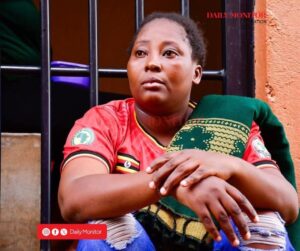
When Diana Katabarwa Ssempeebwa took to Facebook to pen a message addressed to jailed National Unity Platform (NUP) activist Olivia Lutaaya, it was no doubt written in apparent goodwill — a motherly appeal for Lutaaya to think of her children and avoid what Ssempeebwa describes as becoming “a martyr” in a struggle allegedly dominated by “selfish politicians.”
But while the message has since struck an emotional chord with some readers, a closer political analysis exposes it as a misplaced exhortation, one that risks diluting the essence of democratic participation and the constitutional rights that underpin it.
The Fault Line Between Sympathy and Submission
Ssempeebwa’s message, dripping with concern and a sense of disillusionment with African politics, urges Olivia to retreat from activism in order to prioritize her family and personal safety.
However, what appears to be a message of compassion inadvertently encourages political submission and silence in the face of injustice. By suggesting that the incarcerated Lutaaya should avoid imprisonment “for politicians who gain popularity riding on the suffering of foot soldiers,” Ssempeebwa draws from a cynical view of politics that equates all political struggle to opportunism — a view that undermines the agency of ordinary citizens who participate in activism out of conviction rather than personal gain.
The implication that the oppressed should step back for fear of exploitation, rather than continue demanding accountability and reform, feeds into a culture of fear and disengagement — one that benefits the very systems that activists like Lutaaya seek to challenge.
Political Activism Is Not Martyrdom — It’s Citizenship
Political activism, when exercised peacefully, is not an act of martyrdom but an expression of citizenship. It is a constitutional right and a democratic responsibility. Olivia Lutaaya’s involvement in the NUP struggle — regardless of one’s political leaning — represents a form of civic engagement that should be protected, not discouraged.
The narrative that “99% of African politicians are selfish” is a sweeping generalization that may hold fragments of truth, yet it risks obscuring the legitimate fight of citizens who are seeking better governance. Even in flawed political systems, activism remains a key pillar of reform. To portray Lutaaya’s sacrifice as foolish or naïve is to ignore the historical reality that every meaningful democratic gain — from the abolition of detention without trial to the restoration of multiparty politics — was achieved because someone dared to “put themselves in the line of fire.”
History’s Lessons Misapplied
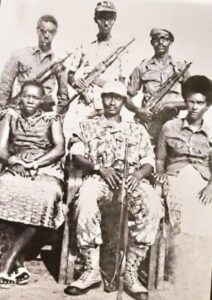
Ssempeebwa invokes the story of Gertrude Njuba during the Luwero bush war to illustrate the painful consequences of political struggle — lost lives, orphaned children, and betrayal by those who later gained power. While the story is indeed tragic, it also underlines the inevitable cost of transformation in societies where oppression reigns unchecked.
Using that example to caution Lutaaya into withdrawal is a historical misapplication. It assumes that because revolutions have produced opportunists, all struggles are doomed to such outcomes. Yet without those who risked it all — like Gertrude Njuba herself — there would have been no Uganda to criticize today.
Freedom Must Not Be Framed as Recklessness
Olivia Lutaaya’s imprisonment, reportedly linked to her political activism, should instead raise questions about the state of civic freedoms in Uganda, not about her parenting choices. The moral burden of her imprisonment lies not with her — but with the systems that criminalize dissent and civic expression.
To caution women against political involvement on grounds of motherhood is to reaffirm patriarchal notions that reduce women’s roles to caregiving rather than citizenship. Lutaaya’s struggle, whether successful or not, is a testament that women, too, have the right to stand up, speak out, and bear the political costs that men have historically borne.
A Nation’s Duty to Protect, Not Punish, Its Citizens
Rather than discouraging activism, society should demand a political environment where no Ugandan — man or woman — faces arrest for expressing political opinion or association. To call for silence is to yield to repression; to speak up is to keep democracy alive.
If Uganda’s democracy is to mature, then messages like Ssempeebwa’s, though emotionally appealing, must be understood as symptoms of a wider disillusionment — one that must not replace civic courage with fearful resignation.
Editorial Note (Uganda Today)
Uganda Today reiterates that freedom of association and expression are not privileges but constitutional rights.
Article 29(1)(e) of the 1995 Constitution of the Republic of Uganda guarantees “freedom of association which shall include the freedom to form and join associations or unions, including political and other civic organizations.”
This right must be respected and protected at all times. Activism, dissent, and participation in political causes are legitimate tools of democracy — not acts of recklessness.
hashtags:
#OliviaLutaaya #FreedomOfAssociation #UgandaPolitics #NUP #DemocracyWatch #WomensVoices #UgandaToday
Publisher
-
Published by Uganda Today, your trusted source for news and analysis. Let’s help you grow your brand and keep your audience informed.
Partner with Uganda Today where your story matters in shaping the social and economic dynamics of the country.
Website: https://www.ugandatoday.co.ug/about-cmk
WhatsApp: +256 702 239 337
X (formerly Twitter): @uganda43443 |
Email: ugandatodayedition@gmail.com