
UgandaToday: Corruption and Public Funds in Uganda: A 2025 Overview

By Emmanuel Mihiingo Kaija
A Persistent Barrier to Development
Corruption in Uganda remains one of the most persistent barriers to equitable development, undermining governance, public service delivery, and the country’s socio-economic progress. For decades, multiple reports have documented systemic mismanagement of public resources across sectors ranging from health and education to infrastructure and defense.
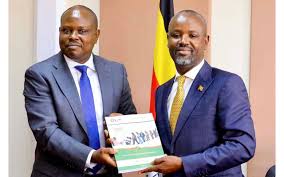
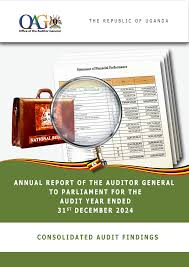
According to the Office of the Auditor General’s 2023/2024 Annual Report, several government agencies were flagged for serious financial irregularities. For example, the Electoral Commission transferred UGX 4.32 billion to district offices for operations meant to be centrally managed—funds that remain unaccounted for. Similarly, government overpaid pensioners UGX 31.2 billion, affecting nearly 3,700 individuals.
Transparency International’s 2024 Corruption Perceptions Index ranked Uganda 140 out of 180 countries with a score of 26, highlighting the country’s ongoing struggle with both high-level embezzlement and everyday petty corruption.
Health Sector: The Human Cost of Corruption
Corruption in the health sector has had devastating effects on service delivery and public welfare. Reports from the Inspectorate of Government (IGG) and civil society groups reveal frequent misappropriation of funds, theft of medical equipment, drug shortages, and rampant absenteeism among health personnel.

According to Afrobarometer, between 35% and 45% of citizens in Kampala, Eastern, and Central Uganda reported paying bribes for medical services that should have been free. The Ministry of Health’s 2023 budget of UGX 3.1 trillion saw at least UGX 120 billion mismanaged, funds that could have been used for critical maternal and child health interventions.
Additionally, corruption in donor-funded projects has undermined primary healthcare improvements, with World Bank-financed programs suffering from delays linked to procurement irregularities.

Education Sector: Ghost Teachers and Incomplete Projects
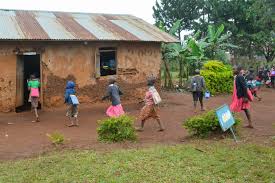
The education sector mirrors the health sector’s vulnerabilities, plagued by ghost teachers, inflated procurement contracts, favoritism in resource allocation, and incomplete projects.
The Ministry of Education and Sports’ 2023/2024 budget of UGX 5.2 trillion saw at least UGX 210 billion lost to mismanagement, affecting nearly 9,000 schools nationwide.
Investigations revealed that contractors were paid in full for incomplete classroom and teacher housing projects, while textbooks for 1.5 million pupils were either never delivered or were substandard.
Infrastructure: Inflated Contracts and Delays
Infrastructure projects, crucial for national development, have not been spared. Corruption has led to inflated contracts, cost overruns, and years-long delays.
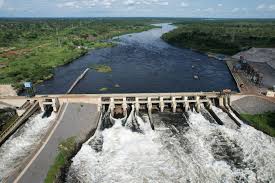
The Karuma Hydropower Project (USD 1.7 billion) suffered over a year of stalled construction due to mismanagement and procurement scandals. The Isimba Dam, completed in 2019, has required repeated repairs costing UGX 150 billion due to over 500 construction defects.
Road projects have faced similar setbacks, with one in south-west Uganda delayed by three years and UGX 22 billion lost to contractor overbilling.
Defense Spending: Opaque and Unchecked
Defense remains one of Uganda’s most opaque spending areas. The Stockholm International Peace Research Institute (SIPRI) reports that Uganda spent over USD 1.1 billion on defense in 2024, surpassing the national health budget.
Procurement processes in the sector are criticized for secrecy and lack of competitive bidding, fueling misappropriation in arms purchases and inflated allowances for officers.

Anti-Corruption Efforts: Gains and Gaps
The Ugandan government has enacted several anti-corruption measures, including the Anti-Corruption Act (2009), the Leadership Code Act, and the Public Finance Management Act. Institutions like the IGG, Directorate of Ethics and Integrity, and specialized Anti-Corruption Courts continue to investigate and prosecute cases.
In the 2023/2024 financial year, the IGG investigated 2,377 complaints and recovered UGX 30 billion. The government has also rolled out digital services such as e-procurement and asset declarations to reduce opportunities for graft.
However, enforcement remains inconsistent, especially at local government levels, while fear of retaliation continues to deter whistleblowers.
Structural Challenges: A Culture of Impunity
Despite existing frameworks, corruption persists due to selective enforcement, political centralization, weak institutional independence, and capacity gaps in local government. High-profile corruption often goes unpunished, while ordinary citizens continue to suffer from petty bribery.
Between 30% and 50% of households report experiencing financial exploitation when accessing services, deepening poverty and perpetuating inequality.
Conclusion
Uganda’s corruption crisis is deeply entrenched across multiple sectors, eroding public trust and undermining development. While anti-graft institutions and international partnerships provide a framework for reform, without sustained political will, strong enforcement, and citizen empowerment, corruption will remain a fundamental obstacle to equitable growth and sustainable transformation.
Hashtags:
#UgandaToday #CorruptionInUganda #PublicFunds #Accountability #GoodGovernance #PhoenixNewsFeeds #OperaNewsFeeds
Publisher