India’s Hydrogen Train Marks Major Milestone in Green Rail Revolution
+256 702 239 337: Unlike conventional diesel locomotives, the train generates electricity onboard through hydrogen fuel cells. Hydrogen combines with oxygen inside the fuel cell to produce electricity, with water vapour and heat being the only direct by-products.
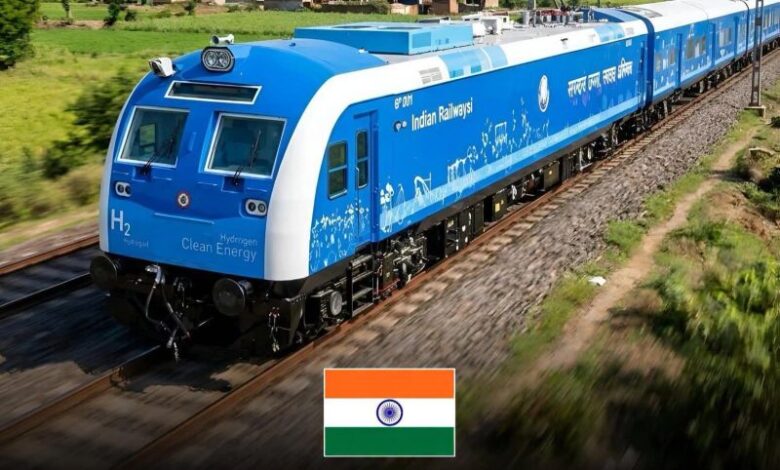
The 10-coach train is powered by hydrogen fuel cells that emit only water vapour.
India’s first hydrogen-powered passenger train during successful trial operations between Jind and Sonipat.
UgandaToday: India’s Hydrogen Train Marks Major Milestone in Green Rail Revolution
By Uganda Today Reporter
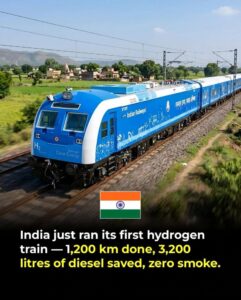
India has taken a significant leap towards cleaner and more sustainable transportation after its first domestically developed hydrogen-powered passenger train successfully completed more than 1,200 kilometres of trial operations between Jind and Sonipat in the northern state of Haryana.
According to verified reports from Indian Railways and multiple media outlets, the 10-coach hydrogen train has already saved over 3,200 litres of diesel since it began operations on July 17, 2026, demonstrating the enormous potential of hydrogen fuel technology in transforming railway transport.
A New Chapter for Indian Railways
The train represents India’s first major venture into hydrogen-powered rail transport and forms part of the country’s broader strategy to reduce greenhouse gas emissions while strengthening indigenous engineering capabilities.
Unlike conventional diesel locomotives, the train generates electricity onboard through hydrogen fuel cells. Hydrogen combines with oxygen inside the fuel cell to produce electricity, with water vapour and heat being the only direct by-products.
The absence of smoke, soot and tailpipe carbon emissions makes hydrogen one of the cleanest alternatives for railway propulsion currently available.
Dedicated hydrogen storage and refuelling facilities supporting India’s green railway initiative.
Made in India Technology
One of the project’s biggest achievements is that the technology has largely been developed within India under the country’s drive to boost domestic manufacturing and technological innovation.
The hydrogen-powered train was built by the Integral Coach Factory (ICF) and operates on the 89-kilometre Jind-Sonipat section under Northern Railway.
The pilot project also includes dedicated hydrogen storage and refuelling infrastructure, alongside sophisticated safety systems capable of detecting hydrogen leaks, flames, smoke and abnormal temperatures.
Significant Fuel Savings
Indian Railways reports that the train’s successful 1,200-kilometre run has already displaced more than 3,200 litres of diesel consumption, highlighting the economic and environmental benefits that hydrogen technology could deliver if deployed across more railway routes.
Officials say further trial operations extending towards the Delhi region are expected as engineers continue evaluating the train under varying operational conditions.
Part of a Global Green Transport Shift
Hydrogen-powered trains are increasingly attracting attention worldwide as countries search for cleaner transport solutions, particularly on railway lines where full electrification is difficult or uneconomical.
India’s launch places the country among a select group of nations experimenting with hydrogen rail technology while supporting its long-term commitment to reducing dependence on fossil fuels and achieving net-zero emissions.
Experts believe hydrogen-powered trains could become especially valuable for regional and rural railway corridors where diesel locomotives remain common.
The 10-coach train is powered by hydrogen fuel cells that emit only water vapour.
Lessons for Africa
India’s achievement also offers valuable lessons for developing countries, including Uganda, where governments are exploring cleaner transport systems to support climate action while expanding infrastructure.
Although hydrogen-powered railways require substantial investment in fuel production, storage and refuelling facilities, advances in the technology could eventually help reduce carbon emissions from rail transport across emerging economies.
As governments around the world accelerate the transition towards greener mobility, India’s successful hydrogen train trials demonstrate that clean energy innovation is steadily moving from concept to reality.
UgandaToday is published by CMK Media Solutions. UgandaToday is your trusted source for news and analysis.
Partner with Uganda Today where your story matters in shaping the social and economic dynamics of the country.
Let’s help you grow your brand and keep your audience informed.
Website:https://www.ugandatoday.co.ugWhatsApp: +256 702 239 337
X (formerly Twitter):@uganda43443 |
Email:ugandatodayedition@gmail.com
P.O.BOX 184351 Kampala.
Uganda