When Place Names Stir Laughter: Ghana MP Defends Sexually Suggestive Town Names
Mr Osei had risen to ask a question directed to the country’s Energy Minister regarding the connection of several communities in his constituency to the national electricity grid. While the question itself was routine, the names of the towns he cited triggered amusement among legislators, particularly those familiar with the Twi language.

UgandaToday: When Place Names Stir Laughter: Ghana MP Defends Sexually Suggestive Town Names
By Stephen Otoro
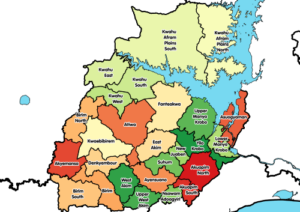
Member of Parliament for the Abirem Constituency, John Frimpong Osei, has said that sexually suggestive names of some towns in his constituency in Ghana’s Eastern Region will not be changed, insisting that they reflect the historical experiences of the communities’ earliest settlers.
Speaking on the Dwaso Nsem morning show on Adom FM on Monday, the legislator explained that the unusual names were inherited from the founders of the settlements and are deeply rooted in local cultural narratives.
“These towns may sound interesting and sexually suggestive, but trust me, they are names drawn from life experiences of those who first settled in those communities. Therefore, they will not and cannot be changed,” he said.
Parliament Erupts in Laughter
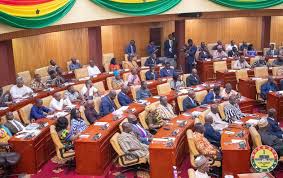
The issue came to public attention after proceedings in the Parliament of Ghana were interrupted by prolonged laughter on Thursday morning.
Mr Osei had risen to ask a question directed to the country’s Energy Minister regarding the connection of several communities in his constituency to the national electricity grid.
While the question itself was routine, the names of the towns he cited triggered amusement among legislators, particularly those familiar with the Twi language.

Names That Carry Double Meanings
Among the communities mentioned were Kote Ye Aboa and Etwe Nim Nyansa, names that drew laughter due to their literal translations and perceived sexual undertones.
In Twi language:
-
“Kote Ye Aboa” roughly translates to “the penis is wise.”
-
“Etwe Nim Nyansa” translates to “the vagina is wise.”
Another community name mentioned by the MP, Hwoa Ye Mmobo, translates to “testicles are miserable.”
These interpretations sparked amusement in Parliament, but according to Mr Osei, the names carry deeper historical and cultural meanings tied to the lived experiences and expressions of the communities’ founders.
Focus Should Be Development
The Abirem legislator stressed that the focus should not be on the unusual names but rather on the development challenges facing the communities.
He noted that several of the villages mentioned are still not connected to the national electricity grid, a situation he says continues to hinder economic growth and social services in the area.
“We should not concentrate on the names of the towns but rather on how these communities can be connected to the national grid,” he emphasized.
Curiosity Among Ghanaians
The parliamentary moment has since sparked widespread curiosity across Ghana, with many citizens admitting they had never heard of the villages before they were mentioned in Parliament.
The unusual names have prompted public debate, with some Ghanaians amused by the linguistic nuances while others are keen to learn more about the historical origins behind them.
For residents of these communities, however, the names remain a normal part of their identity and heritage.
#UgandaToday #PhoenixNewsFeeds #OperaNewsFeeds #GhanaPolitics #CulturalIdentity #AfricanHeritage