Jingle Bells: A Painful Symbol of Forgotten Suffering—and Museveni’s Political Echoes
Museveni and the Jingle Bell Syndrome of Power: It is within this historical irony that Uganda’s President Yoweri Kaguta Museveni now finds himself politically exposed—haunted not by opposition rhetoric alone, but by his own past words. Once celebrated as a reformist thinker, Museveni famously declared: “The problem of Africa is leaders who overstay their usefulness and cling to power.” He also unapologetically stated: “I am not a servant of anybody. I work for myself, my children and my grandchildren.”

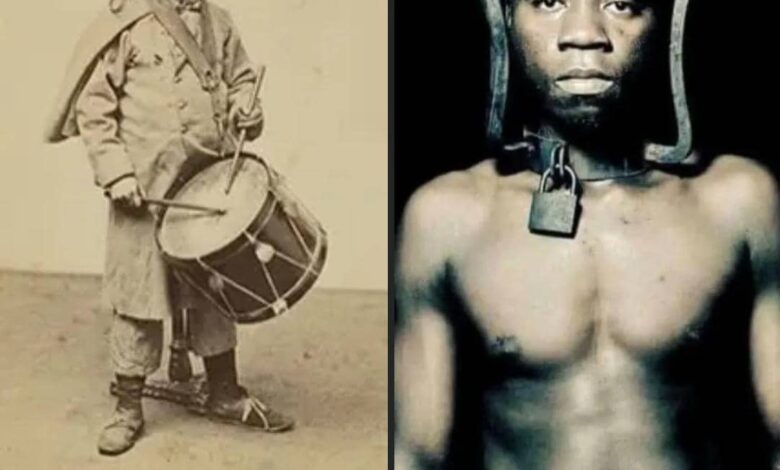
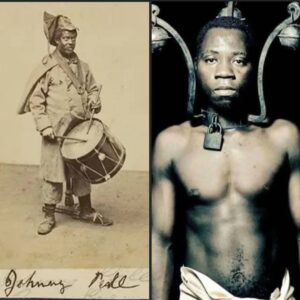
From slave trade stages to global carols: how power repackages painful histories.
UgandaToday: Jingle Bells: A Painful Symbol of Forgotten Suffering—and Museveni’s Political Echoes
When Festive Sounds Conceal Historical Trauma
Across Africa, Christmas is celebrated with joy, colour and song. Among the most popular melodies is Jingle Bells—a tune universally associated with cheer, laughter and festivity. Yet beneath its rhythmic innocence lies a troubling narrative that many Africans have never been encouraged to interrogate.
Oral histories, Afrocentric scholarship and cultural critiques have long pointed to the use of jingle bells during the transatlantic slave trade—not as instruments of joy, but as tools of surveillance and control. Bells were reportedly tied to enslaved Africans to alert captors in the event of escape attempts. The sound of a bell did not signify celebration; it meant fear, pursuit, punishment, and the crushing of hope.
While mainstream Western historiography often disputes or sanitises this linkage, the symbolism itself remains potent: a sound once associated with bondage later repackaged as entertainment, without reckoning with its origins or the pain embedded within it.
From Chains to Carols: How Power Rebrands Its Tools
Slave masters never imagined an end to the slave trade. They did not anticipate abolition, reparations debates, or a world in which the enslaved would one day interrogate the very symbols used to control them. Their arrogance lay in assuming permanence. Power, history shows, often make this mistake.
The transformation of jingle bells—from instruments of control to festive icons—mirrors how oppressive systems frequently rebrand their excesses to survive moral scrutiny. The past is not erased; it is merely repackaged.
Museveni and the Jingle Bell Syndrome of Power
It is within this historical irony that Uganda’s President Yoweri Kaguta Museveni now finds himself politically exposed—haunted not by opposition rhetoric alone, but by his own past words. Once celebrated as a reformist thinker, Museveni famously declared:
“The problem of Africa is leaders who overstay their usefulness and cling to power.”
He also unapologetically stated:
“I am not a servant of anybody. I work for myself, my children and my grandchildren.”
Decades later, after nearly 40 years in power, those statements ring loudly—much like bells tied to a system now struggling to outrun its own contradictions.
‘Protecting the Gains’: A Bell That No Longer Rings True
Museveni’s current political refrain—“protecting the gains”—has become a subject of public ridicule and resistance. Ugandans increasingly ask: whose gains are being protected?
Is it the unemployed youth?
The underpaid teacher?
The landless peasant?
Or the political dynasty quietly being normalised?
Just as slave masters never imagined a world without chains, Museveni appears not to have envisioned a future where his own words would become instruments of political accountability—alerting the nation each time he attempts to justify permanence.
Power, Like Bells, Eventually Gives Away the Runner
In slavery, bells betrayed escape. In Uganda’s politics, statements betray intent.
Museveni’s past declarations now function like political jingle bells—sounding alarms every time the regime invokes sacrifice, patriotism, or “gains” to justify indefinite rule. The irony is cruel: the very rhetoric once used to inspire liberation now exposes entrapment.
History teaches that no system of domination imagines its own end. But history also teaches that ends always come—often announced by the echoes of words spoken too confidently, too early, and too arrogantly.
A Christmas Reflection Africa Must Confront
As Africans sing Jingle Bells this Christmas, the question is not merely about the song’s disputed origins. It is about memory, power, and awareness.
What symbols have we inherited without question?
What statements do leaders make assuming tomorrow will never come?
And at what point do festive sounds become warning bells?
For Uganda—and for Museveni—the bells are ringing.