Understanding Parliament: A Comprehensive Guide To Uganda’s Legislature
Importantly, MPs are not obliged to: Buy ambulances, Construct roads or bridges, Pay school fees, Build schools or hospitals. These services fall under local governments and line ministries, not individual legislators. Roles of MPs in Parliament

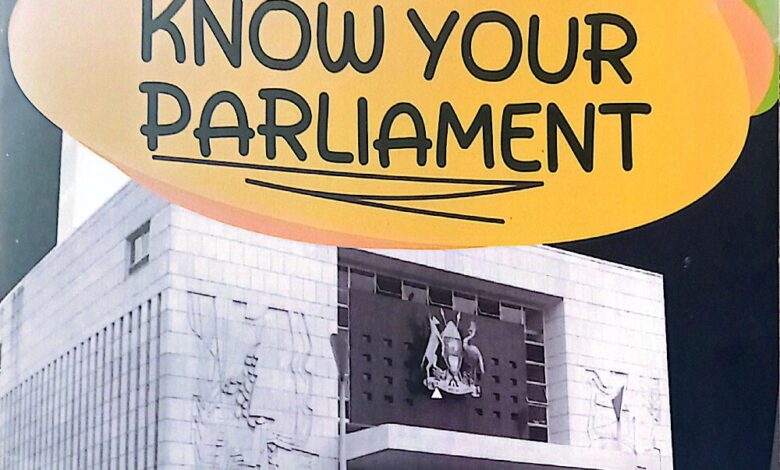
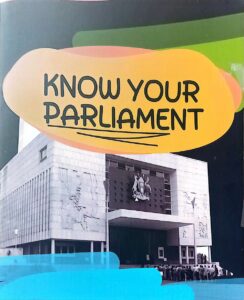
UgandaToday: Understanding Parliament: A Comprehensive Guide To Uganda’s Legislature
Parliament stands at the heart of Uganda’s democratic governance. It is where laws are made, national priorities are debated, public resources are scrutinised, and leaders are held accountable. Yet, for many citizens, especially first-time voters or new political observers, the workings of Parliament remain unclear. This UgandaToday analysis breaks down what Parliament is, how it operates, who qualifies to join it, and the constitutional expectations citizens should have of their elected representatives.
What Parliament Is and How It Is Constituted
Parliament is Uganda’s supreme legislative body, established under the 1995 Constitution. It is made up of:
-
Directly elected Members of Parliament (MPs) from constituencies
-
District Woman Representatives
-
Representatives of special interest groups (youth, workers, PWDs, UPDF)
-
Ex-officio members — the Vice President, Prime Minister and Cabinet Ministers (who can debate but cannot vote)
The institution exists to make, amend, and repeal laws, approve national budgets, represent citizens, and oversee the Executive arm of government.

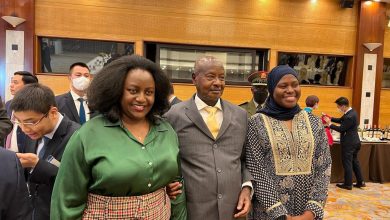
Hon. Prossy Mbabazi Akampurira (MP) Backbench Member (NRM) and Hon. Solomon Silwany (MP) Backbench Member (NRM),they came into the limelight of scrutiny after they awarded themselves hefty service awards immediately after entering offices.
How One Becomes a Member of Parliament
Qualifications
A person is eligible to stand for Parliament if they are:
-
At least 18 years old
-
A Ugandan citizen
-
A registered voter
-
A holder of at least an S.6 (Uganda Advanced Certificate of Education) or its equivalent
Disqualifications
A person cannot contest for Parliament if they are:
-
Of unsound mind
-
A traditional or cultural leader
-
Employed in an election-related office
-
Bankrupt
-
Under a death sentence or imprisonment of more than 9 months
Additionally, local government council members and public officers must resign before contesting for a parliamentary seat.
General Elections and By-Elections
-
General elections are held every 5 years, within 30 days before the term of Parliament expires.
-
By-elections fill vacant MP seats and must be held within 60 days after the Clerk to Parliament notifies the Electoral Commission.
-
A by-election cannot be held close to the next general election.
Roles of MPs in Their Constituencies
MPs are elected to represent, not to play the role of district chairpersons, contractors, or private donors. Their correct roles include:
-
Updating citizens on Parliament’s current affairs
-
Informing constituents about government programmes
-
Monitoring how funds for projects and services are used
-
Mobilising communities for government programmes and campaigns
-
Collecting citizens’ views on issues affecting their lives
Importantly, MPs are not obliged to:
-
Buy ambulances
-
Construct roads or bridges
-
Pay school fees
-
Build schools or hospitals
These services fall under local governments and line ministries, not individual legislators.
Roles of MPs in Parliament
Inside the House, MPs are responsible for:
-
Debating and passing laws
-
Analysing and approving the national budget
-
Regulating government expenditure
-
Raising matters of national importance
-
Presenting petitions from citizens
Key Leadership Offices in Parliament
1. The Speaker of Parliament
The Speaker:
-
Presides over parliamentary sittings
-
Ensures order and discipline in the House
-
Determines who speaks
-
Interprets rules of procedure
-
Certifies Bills passed by Parliament
-
Represents Parliament in national and international forums
2. Clerk to Parliament
The Clerk is the administrative and procedural head of Parliament. Their duties include:
-
Providing technical support to MPs
-
Keeping official records
-
Managing the parliamentary service
-
Preparing Order Papers and minutes
-
Implementing decisions of the Parliamentary Commission
3. Leader of the Opposition (LOP)
The LOP leads the largest opposition party in Parliament and:
-
Provides alternative policy positions
-
Appoints the Shadow Cabinet
-
Responds to major government statements
-
Coordinates opposition legislative strategy
-
Ensures oversight of government actions
4. The Opposition in Parliament
Opposition roles include:
-
Providing checks and balances
-
Offering alternative policy ideas
-
Holding government to constitutional standards
-
Questioning Ministers
-
Ensuring transparency in governance
5. Whips in Parliament
Whips are appointed by both Government and Opposition. Their duties include:
-
Ensuring MPs attend sittings
-
Coordinating voting patterns
-
Enforcing party discipline
-
Guiding MPs on parliamentary business
How Voting Is Conducted in Parliament
Parliament uses several voting methods depending on the issue:
-
Voice voting (“Ayes” and “Noes”)
-
Secret ballot
-
Roll-call and tally
-
Electronic voting
-
Division — MPs physically separate into groups to vote
Recalling a Member of Parliament
Citizens may initiate a recall if an MP:
-
Is corrupt
-
Is incompetent
-
Misconducts themselves
-
Abandons their constituency
-
Violates the Leadership Code
Procedure for Recall
-
A petition is signed by at least two-thirds of registered voters in the constituency.
-
The Electoral Commission verifies signatures.
-
Parliament and courts may review the process.
-
A successful recall triggers a by-election.
The Leadership Code of Conduct
The Leadership Code requires all leaders — including MPs — to:
-
Declare wealth and liabilities
-
Avoid conflict of interest
-
Maintain integrity and ethical standards
-
Refrain from abuse of office
Violations may lead to dismissal, fines, prosecution, or disqualification from public office.
Petitions to Parliament
A petition is a formal written request by citizens seeking redress.
How Petitions Are Presented:
-
Submitted through an MP or directly to the Clerk
-
The Speaker refers it to a relevant committee
-
Parliament must dispose of any petition within 45 days
Government Ministers and Parliament
Ministers are part of the Executive but sit in Parliament as ex-officio members. Their roles in Parliament include:
-
Presenting government Bills
-
Responding to MPs’ questions
-
Explaining government policy and expenditure
-
Implementing resolutions passed by Parliament
However, they do not vote.
The Shadow Cabinet
The Shadow Cabinet is appointed by the LOP and:
-
Presents alternative positions on government Bills
-
Scrutinises government actions
-
Provides checks and balances
-
Responds to ministerial policy statements
How Bills Become Laws
A. Government Bills
-
Cabinet approval
-
First Reading (introduction)
-
Committee scrutiny and public hearings
-
Second Reading (debate on principles)
-
Committee of the Whole House (clause-by-clause consideration)
-
Third Reading (final vote)
-
Presidential assent
B. Private Members’ Bills
Any MP may introduce a Bill after:
-
Giving notice
-
Obtaining a Certificate of Financial Implication from the Ministry of Finance
-
Following the same three readings and committee process as government Bills
Parliamentary Committees and Their Work
Committees are the engine rooms of Parliament.
Their Functions:
-
Analyse Bills
-
Scrutinise government expenditure
-
Conduct investigations
-
Engage the public in hearings
-
Prepare reports for debate
Standing Committees (13 in total, each serving a 2-year tenure)
Examples include:
-
Public Accounts Committee (PAC)
-
Committee on Statutory Authorities and State Enterprises (COSASE)
-
Local Government Accounts Committee
-
Committee on Budget
-
Committee on National Economy
-
Committee on Government Assurances
Representation
Committee membership reflects party proportionality in Parliament.
The Parliamentary Commission
The Commission manages the administration, welfare, and services of Parliament.
Its Composition:
-
Speaker (Chairperson)
-
Deputy Speaker
-
Prime Minister
-
Leader of the Opposition
-
Finance Minister
-
Four backbench commissioners
How a Commissioner Can Be Removed
-
Through a resolution of Parliament
-
On grounds of misconduct, incompetence, or breach of code
Supplementary and Classified Budgets
Supplementary Budget
This is additional funding required beyond the approved national budget.
It is approved by:
-
Cabinet
-
The Parliamentary Budget Committee
-
The House by vote
Classified Budget
This is expenditure related to national security and intelligence, whose details cannot be publicly disclosed for security reasons.
#UgandaToday #PhoenixNewsFeeds #OperaNewsFeeds #ParliamentOfUganda #KnowYourMP #DemocracyUG