From Innocence to Exile: The Remarkable Journey of the Boy Who Became Kabaka Muteesa II
A Childhood Shaped by Royal Duty. Born on 19 November 1924, the young Muteesa was a prince raised at a time when Buganda’s monarchy was a central pillar of identity, governance, and cultural pride. His early education at Budo placed him among peers from noble and elite families, but even there, his life was different—every lesson, every interaction, every public appearance subtly prepared him for a future on the throne.

UgandaToday: From Innocence to Exile: The Remarkable Journey of the Boy Who Became Kabaka Muteesa II
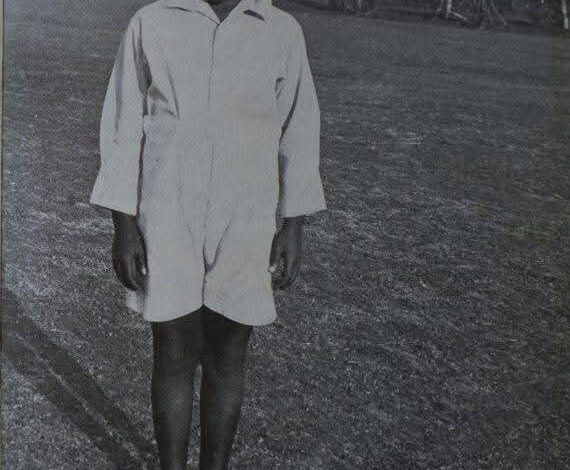
In the quiet lawns of King’s College Budo in 1933, a young boy stood barefoot, dressed in a simple school uniform, unaware that history was already tracing his footsteps. His eyes—curious, contemplative, and slightly shy—betrayed none of the storms that would later shape his destiny. This was Frederick Edward William Walugembe Luwangula Muteesa, then only nine years old, long before he would ascend the throne as Kabaka of Buganda and later become one of the most influential figures in Uganda’s pre-independence politics.
The photograph, taken during his early school years, offers a rare glimpse into the formative life of a child who would become Kabaka Muteesa II, the 35th King of Buganda and the first President of independent Uganda. Yet behind the innocence of this moment lay the weight of royal expectations and the rigorous grooming of a young prince destined for leadership.
A Childhood Shaped by Royal Duty
Born on 19 November 1924, the young Muteesa was a prince raised at a time when Buganda’s monarchy was a central pillar of identity, governance, and cultural pride. His early education at Budo placed him among peers from noble and elite families, but even there, his life was different—every lesson, every interaction, every public appearance subtly prepared him for a future on the throne.
Teachers who interacted with him often remarked on his discipline, quiet intelligence, and an early sense of responsibility unusual for his age. Though still a child, he understood that he belonged not only to his biological family but also to an entire kingdom.
The Early Burden of Kingship
Just six years after this photograph was taken, the young boy in the picture ascended the throne in 1939, at only 15 years old, following the death of his father, Kabaka Daudi Chwa II. His youth meant that regents governed on his behalf until he became of age, but even then, the weight of kingship settled heavily upon him.
His reign unfolded during a turbulent era marked by colonial pressures, shifting political landscapes, and the fierce demand for Buganda’s self-determination. Yet Muteesa navigated it with the resilience and dignity expected of a monarch raised from childhood to lead.
A King, a Symbol, and Later, a Victim of Power Politics
Perhaps the most poignant contrast to his childhood innocence was the tragic path that awaited him later in life.
In 1966, Prime Minister Milton Obote ordered an attack on the Kabaka’s palace in Mengo, carried out by the army under Idi Amin. Forced into exile in the United Kingdom, the once-powerful monarch—celebrated as a unifying figure of Buganda—became a stateless refugee.
He died in London in 1969, far from the kingdom whose cultural heartbeat he had embodied since youth.
Why This Picture Matters
This childhood image of Kabaka Muteesa II is more than a photograph; it is a historical mirror reflecting the innocence before duty, before colonial confrontations, before the political storms that would shape Uganda. It reminds us that even the giants of history were once children—vulnerable, hopeful, and unaware of the burdens awaiting them.
For Buganda, Muteesa II remains a symbol of resilience.
For Uganda, he remains a foundational political figure whose life underscores the complicated journey toward nationhood.
For historians, this picture is a powerful testament to where leadership begins—long before crowns, battles, and exiles.
Hashtags
-
#UgandaToday
-
#PhoenixNewsFeeds
-
#OperaNewsFeeds
-
#KabakaMuteesaII
-
#BugandaHistory
-
#UgandanMonarchy
-
#HistoryOfUganda