UgandaToday: Uganda’s 2026 Elections: Museveni Re-elected Amid Observer Calls to End Military Role in Polling
By UgandaToday, Special Correspondent — Kampala
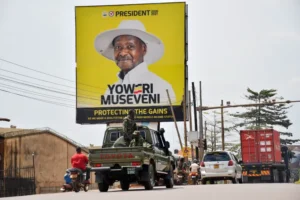
KAMPALA — Uganda’s January 15, 2026 presidential and general elections have delivered a commanding victory for longserving President Yoweri Kaguta Museveni, securing him a seventh term in office as the country grapples with deepening questions about electoral credibility and the role of military forces in civilian election duties.
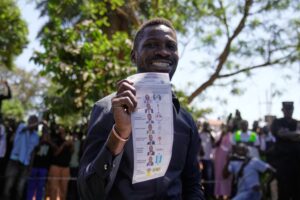
According to official results announced by the Independent Electoral Commission (IEC), Museveni garnered approximately 71.6 % of the presidential vote, decisively defeating his closest rival, opposition leader Kyagulanyi Ssentamu – popularly known as Bobi Wine – who received roughly 24.7 %. Turnout stood at around 52 % of Uganda’s 21 million registered voters, marking one of the lowest participation rates in recent elections.
Observer Mission Critiques Heavy Security Role
A joint African Union (AU), COMESA and IGAD Election Observation Mission, led by former Nigerian President Goodluck Jonathan, was deployed across the country to monitor the voting, counting and tallying processes. While the mission did not find conclusive evidence of ballot stuffing or blatant vote rigging at most stations, observers made strong criticisms of the conduct of the election — particularly regarding the visibility and conduct of military security forces.
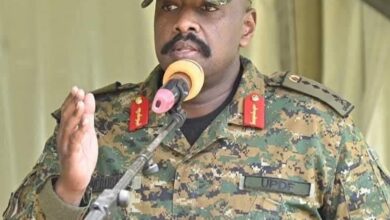
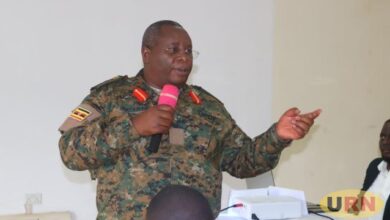
In remarks delivered during a press briefing in Kampala on January 17, the head of the mission underscored that the heavy involvement of military and military-style security deployments at polling stations and public spaces “eroded public trust” and created an environment of fear among voters and civil society actors. He specifically called on the Ugandan government to end the practice of involving military personnel in election activities — not only commenting on electoral matters but usurping roles traditionally reserved for civilian police and non-partisan election officials. Observers urged that security duties be confined to routine policing, safety and protection rather than crowd presence and oversight roles that resemble partisan enforcement.

Critics of the election had warned ahead of January 15 that the massive military and police presence — including armored vehicles and infantry units in Kampala and other urban centres — risked intimidating voters, suppressing turnout and blurring the line between national security and political control.
Opposition Rejection and Post-Election Tensions
Kyagulanyi rejected the announced results as “fake” and illegitimate, accusing the security apparatus of intimidation, irregularities in vote verification and the detention or disappearance of his polling agents and campaign team members. His supporters reported clashes with security forces in central districts, and several fatalities were reported in isolated incidents throughout the country.
The political atmosphere in Uganda remains tense, with civil society organizations calling on the government to ensure a transparent post-election audit, respect the role of independent observers, and address longstanding calls to reform the legal framework governing elections and security operations.

A Defining Moment for Uganda’s Democracy
Uganda has not experienced a peaceful transition of presidential power since independence and remains a focal point for regional democratic discourse. The AU-COMESA-IGAD observers reiterated their commitment to supporting “democracy, peace, security and good governance”, while urging reforms that would strengthen civilian policing and electoral integrity in future polls
#UgandaToday #PhoenixNewsFeeds #OperaNewsFeeds #FakeAndIllegitimate #TransparentPostElectionAudit
Publisher