Uganda Today: The Politics of Deceit: How Elected Leaders Turn Against the Voters Who Empowered Them”
By Uganda Today Political Desk
They come bearing promises—sweetened tongues, tailored suits, and rehearsed humility. They kneel in markets, cradle infants, dance to local drums, and swear allegiance to the common man’s struggle. Yet the moment they ascend into office, the transformation is swift and ruthless. The very people who lined up in the scorching sun to give them power are the ones they now ignore, mock, or oppress.
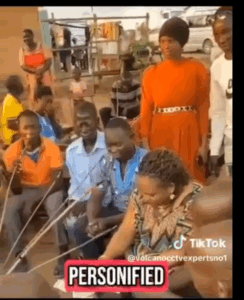
A recent viral TikTok commentary by a Kenyan political satirist has reignited this conversation across East Africa. In the one-minute clip, he strips bare the duplicitous character of African politicians, painting a brutally honest picture of the lies they feed voters—and the contempt they harbor once in power. Though brief, the video captures a universal truth that resonates deeply with citizens from Nairobi to Kampala, Kigali to Dodoma.
A Voter’s Betrayal
“Politicians know they are lying to you,” the commentator begins, his tone unapologetic. “They look you in the eye, hold your hand, tell you they will build a school, a hospital, bring electricity—but they know they will do none of that. And you also know they are lying, but you clap, because in that moment, you want to believe you matter.”
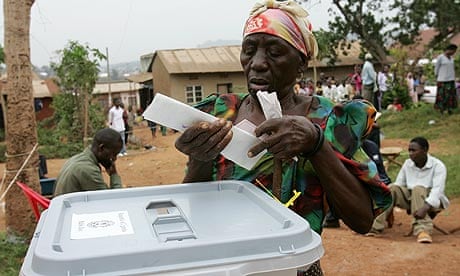
It’s a stunning observation, both cynical and accurate. This mutually complicit dance between desperate voters and ambitious politicians is repeated every electoral season. In Uganda, the script is eerily familiar. Constituency after constituency, voters are promised new health centers, paved roads, scholarships for their children, and “job creation” programs that rarely materialize.

Yet, post-election, the MP’s phone numbers are changed. Constituency offices go silent. They resurface only for funerals, or when a camera is rolling. And when citizens protest, the very hands that once shook theirs order the police to silence them with tear gas and batons.
Campaign Season: A Performance Stage
The lies are sophisticated and well-rehearsed. Politicians study the needs of their constituents not to solve them, but to weaponize them. A village lacking clean water becomes a stage for a grand promise of boreholes. A dilapidated school becomes the backdrop for pledges of education reform. The suffering is not met with empathy, but opportunism.
When Leaders Turn Predators
Once in office, many politicians shift from servant to master. They build fences—not bridges—between themselves and the people. Convoys with tinted windows barrel past potholes they once promised to fix. Their children study abroad, their families seek treatment in foreign hospitals, while their constituents remain trapped in crumbling public facilities.
This betrayal is not just personal—it’s structural. Laws are passed to entrench power, silence critics, and restrict civic space. In Uganda, the recent amendments to political funding laws—widely viewed as targeting the opposition—exemplify this disdain for democratic accountability.
The Rise of Political Cynicism
The result? A growing sense of political apathy and fatalism. Voters, tired of being deceived, become disengaged. They stop expecting change. “They are all the same,” is now a common refrain, not just among youth, but even elders who once believed in the power of the ballot.
Yet, ironically, it is this cynicism that sustains the very class of politicians it seeks to condemn. Low voter turnout, especially among the educated and disillusioned, allows corrupt incumbents to thrive. They win, not because they are popular—but because fewer people care enough to challenge them.
Breaking the Cycle
What will it take to disrupt this toxic pattern? Civic education is one answer—but not the only one. The electorate must not only be informed, but organized and bold. Voting must be coupled with accountability. Post-election vigilance, grassroots mobilization, media scrutiny, and strategic litigation are tools that citizens can deploy to reclaim power.
Moreover, voters must raise the moral bar. It is no longer enough to vote for someone “because they gave us sugar or t-shirts.” Competence, integrity, and a track record of service—not charisma or ethnicity—must be the new political currency.
Conclusion: The Mirror and the Mask
The viral TikTok video may be a satire, but its message is deadly serious. Politicians lie. And voters, either by desperation or neglect, allow those lies to pass unchecked. It’s a dance of deceit that robs nations of progress.
As Uganda approaches another political season, the country must ask itself tough questions. Will it fall for the same tricks, or will it demand better? Will citizens continue to clap at lies, or will they finally call them out?
The future of Uganda’s democracy depends on the answers.
Published by www.ugandatoday.co.ug, your trusted source for news and analysis
Website: https://www.ugandatoday.co.ug/about-cmk
Website: https://www.ugandatoday.co.ug
WhatsApp: +256 702 239 337
X (formerly Twitter): @uganda43443 | @ugtodaynews
Email: ugandatodayedition@gmail.com
Let’s help you grow your brand and keep your audience informed. Partner with Uganda Today.
Publisher