

UgandaToday: The Impact of Social Media Platforms on Traditional Mass Media in Uganda

By Jane Nalukenge
Social media continues to reshape Uganda’s media landscape, presenting both opportunities and challenges for traditional newsrooms. Its rise has transformed how audiences consume information, disrupted long-established business models, and created new arenas for civic and political engagement—particularly during election seasons.
Changing News Consumption Patterns
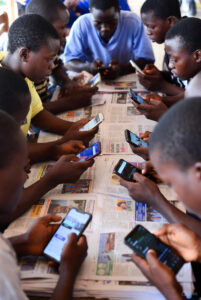
The growth of platforms such as Facebook, X (formerly Twitter), YouTube, and WhatsApp has fragmented audiences, making it harder for traditional media to command mass viewership and listenership. A 2025 study focusing on Vision Group revealed that 51.8% of respondents had reduced their consumption of traditional news due to the convenience, speed, and accessibility of digital platforms.
Yet, despite the shift, traditional media remains a vital source of credible, deeply reported information, especially during major national events. To stay relevant, outlets like Vision Group are adopting hybrid formats—combining on-demand digital content, real-time news alerts, and their conventional broadcasting strengths.
Economic Pressures on Media Houses
The digital revolution has also affected the economic viability of Uganda’s media industry. Traditional media houses face declining advertising revenue, mounting operational costs, and limited alternative income channels. As audiences migrate online, advertising budgets increasingly follow suit, putting pressure on legacy media to innovate.

However, these challenges also open doors for new forms of journalism—digital storytelling, data journalism, mobile reporting, and multimedia investigative work—which are gaining traction as newsrooms adjust to evolving consumer habits.
A New Arena for Political Discourse
Social media has become central to civic participation and political communication in Uganda. Youth—who form the largest demographic and are highly active online—use these platforms for political expression, mobilization, and rapid information sharing.
But this digital political space is not without constraints. Government actions, including arrests under the Computer Misuse (Amendment) Act, 2022, and periodic internet shutdowns such as those experienced during the 2016 and 2021 elections, have created a climate of caution. Journalists, influencers, and content creators increasingly self-censor to avoid legal or political repercussions. These tensions highlight the contested nature of social media as both a democratic tool and a site of state control.
Integrating Social Media into Journalism
For Ugandan media houses, fully integrating social media into newsroom workflows is now essential. It offers pathways to reach wider audiences, explore innovative storytelling formats, and diversify revenue streams. But such integration must be strategic to guard against misinformation, protect editorial integrity, and maintain public trust.
Key priorities include:
-
Strengthening fact-checking processes
-
Creating interactive, engaging content
-
Training journalists in digital media skills
-
Exploring sustainable online monetization models
-
Advocating for supportive regulatory frameworks
-
Promoting media literacy among audiences
If carefully managed, these approaches can help Uganda’s traditional media thrive amidst digital disruption, ensuring journalism continues to empower citizens with accurate, trustworthy information.
Hashtags
-
#UgandaToday
-
#PhoenixNewsFeeds
-
#OperaNewsFeeds
-
#MediaLandscapeUganda
-
#DigitalTransformation
-
#SocialMediaImpact
Publisher