Uganda Today: Paul Biya, 92, Declares 8th Term Bid Amid Rising Opposition and Calls for Renewal in Cameroon
By [Uganda Today Correspondent]
[Published on www.ugandatoday.co.ug]
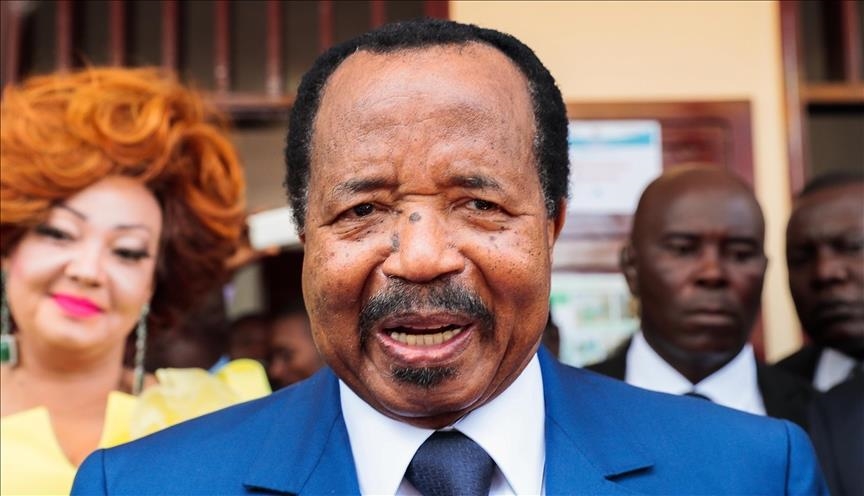
YAOUNDÉ – In a move that has ignited political tremors across Cameroon and beyond, President Paul Biya, the world’s oldest sitting head of state at 92, has formally declared his intention to contest for an eighth presidential term in the upcoming 2025 elections. The confirmation came via a carefully worded post on his official social media account on Sunday, ending months of speculation following his prolonged public absence last year, which had even sparked false rumours of his death.
Having ruled the central African nation since 1982, Biya—an emblem of longevity in power—has never lost an election. His latest candidacy, if successful, would potentially see him lead the country until he is nearly 100 years old, a reality that is unsettling many Cameroonians, particularly the younger generation, who have never known any other president in their lifetime.
A Nation Stirred, Not Shaken
In the streets of Yaoundé, the air is filled with weary resignation and hushed indignation.
“He is not a president anymore, he is a monarch,” muttered Marius N., a university student in the capital. “What future are we voting for when we are stuck in the past?”
Vendors and cyclist riders share cautious conversations, knowing the dangers of dissent in a country where political expression remains tightly controlled.

The independent newspaper Le Messager summed up the mood with a stark headline: “We are finished.”
Diminishing Allies, Rising Rivals
Biya’s announcement comes in the wake of a fracturing political alliance, particularly with key figures from the northern regions. Former Prime Minister Bello Bouba Maigari and seasoned minister Issa Tchiroma Bakary—once pivotal in securing northern votes—have since left the ruling coalition. In separate moves, both men have announced intentions to run against Biya.
In a sharp rebuke last month, Tchiroma accused the administration he served of having “broken the social contract with the Cameroonian people.” He has since joined a rival political formation.
Meanwhile, the opposition bench is growing louder and bolder. 2018 presidential runner-up Maurice Kamto has re-entered the race, joined by other prominent opposition leaders including Akere Muna, Cabral Libii, and Joshua Osih. While none of them alone may yet pose a serious threat to Biya’s decades-long grip, analysts suggest a unified opposition front could shift the tide.
Biya’s Playbook: Remove the Limits, Rule for Life
Central to Biya’s reign has been the dismantling of constitutional checks. In 2008, he oversaw the scrapping of presidential term limits, a maneuver that paved the way for indefinite re-election. Uganda’s President Yoweri Museveni executed a similar constitutional revision in 2005, abolishing term and later age limits, allowing him to remain in power since 1986. Both leaders have used similar rhetoric—citing “stability” and “continuity”—to justify their long reigns while presiding over states plagued by rising youth unemployment, corruption, and contested elections.
Like Museveni, Biya has consistently won elections amid allegations of vote rigging and state repression. In the 2018 polls, he was declared winner with over 71% of the vote, a result heavily contested by opposition groups who pointed to widespread irregularities and electoral manipulation.
Civil Society Reacts: “The People Deserve Better”
Prominent Cameroonian human rights advocate Felix Agbor Nkongho weighed in, stating:
“Cameroon deserves leadership that represents the hopes and aspirations of its people, not one that clings to power through constitutional manipulation and elite patronage.”
Biya’s supporters within the ruling Cameroon People’s Democratic Movement (CPDM) have long treated him as the de-facto candidate. In recent months, party loyalists have staged rallies urging him to seek re-election, portraying him as a symbol of national unity in a country fractured by the Anglophone conflict in the northwest and southwest regions.
However, the optics of a 92-year-old seeking yet another seven-year term while critical institutions crumble under neglect, inflation bites, and youth unemployment soars, has generated wide disillusionment.
A Future in the Balance
Observers across Africa are closely watching Cameroon, where this electoral season is increasingly seen as a litmus test for generational transition in a region where ageing strongmen remain entrenched. The contrast between youthful populations and geriatric presidencies, especially in Cameroon and Uganda, presents a growing legitimacy crisis for autocratic regimes that have overstayed their popular mandate.
The big question now is whether Cameroon’s opposition can mount a formidable challenge or if Paul Biya—steeled by 42 years in power, a weakened opposition, and the tools of the state—will yet again tighten his grip and etch another chapter in the continent’s long tale of lifetime presidencies.
For more news on African politics, leadership transitions, and citizen voices, follow Uganda Today.
Published by www.ugandatoday.co.ug, your trusted source for news and analysis
Website: https://www.ugandatoday.co.ug/about-cmk
Website: https://www.ugandatoday.co.ug
WhatsApp: +256 702 239 337
X (formerly Twitter): @uganda43443 | @ugtodaynews
Email: ugandatodayedition@gmail.com
Let’s help you grow your brand and keep your audience informed. Partner with Uganda Today
Publisher