UgandaToday: Outgoing Opposition Lawmakers Meet Museveni for Post-Election Talks
Dialogue or Political Opportunism in a Post-Election Fog?
Is This Dialogue—or a Carefully Choreographed Political Theatre?
When outgoing opposition lawmakers walk into State House barely weeks after a highly contested election, what exactly should Ugandans read into that moment? Is it the long-awaited bridge towards national healing, or yet another episode in Uganda’s long-running theatre of political survival?
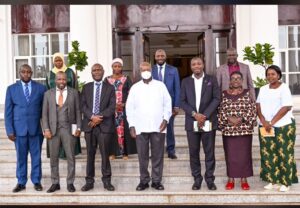
On February 5, 2026, a group of outgoing and defeated opposition legislators—led by FDC whip Yusuf Nsibambi and including Moses Kabusu, Roland Ndyomugyenyi, and former Kawempe North MP Latif Ssebagala—met President Yoweri Museveni at State House Entebbe. The timing could not have been more politically loaded. Museveni had just been declared winner of the January 2026 elections with 71 percent amid widespread allegations of fraud, arbitrary arrests, and detention of opposition activists.
So why now? And for whose benefit?
Who Benefits More From This Engagement: Museveni or the Opposition Delegation?
President Museveni has long perfected the art of post-election engagement—especially with weakened opposition actors. In moments of heightened legitimacy crisis, State House meetings offer optics: images of “consultation,” “inclusivity,” and “dialogue” that soften international and domestic scrutiny.
The formal group photograph outside State House quickly circulated online, triggering speculation of impending defections, appointments, or political co-optation. In a fractured opposition landscape, such images do more than speak—they shout. They project a narrative of opposition disunity while subtly legitimising Museveni’s continued grip on power.

But what do the visiting lawmakers gain in return? Political relevance? Protection? Or merely proximity to power in exchange for silence?
Is Hunger—Political or Literal—Driving This Engagement?
Critics have been unsparing, accusing the delegation of attempting to “fish from troubled waters”—leveraging national crisis, political prisoners, and public suffering to negotiate personal survival. The accusation is not new in Ugandan politics: that some opposition figures, once rejected at the ballot, seek sustenance from Museveni’s table under the guise of dialogue.
Latif Ssebagala’s defence was telling. After NUP disowned him, he asserted, “It’s my right to also choose to work with NRM.” The statement raises a deeper question: when party rejection meets political desperation, does ideology collapse into expediency?
Can Political Prisoners Be Freed Through Private Meetings With Individuals?
Nsibambi insisted the meeting was about easing political tensions and advocating for detainees. He noted that Museveni expressed “concern” about arrests—but made no firm commitments.
Is concern enough? Uganda’s history suggests otherwise. Without structured, institutional dialogue, such engagements risk becoming symbolic gestures—useful for headlines but hollow for prisoners languishing in detention.
Political analyst Dan Wandera Ogalo was unequivocal: genuine dialogue cannot be individualised. It must be structured, inclusive, and anchored in institutions—political parties, civil society, religious and cultural leaders—not isolated personalities seeking relevance.
Does This Moment Expose the Opposition’s Deepening Crisis?
As the 12th Parliament prepares to convene, this episode exposes a deeper malaise: an opposition struggling with coherence, discipline, and collective strategy. When defeated lawmakers independently negotiate with a president whose legitimacy they previously questioned, what message does that send to voters who endured violence, arrests, and intimidation?
Is this dialogue a bridge towards reform—or a quiet surrender dressed in the language of patriotism?
And Ultimately, Who Is Being Legitimated?
Perhaps the most uncomfortable question remains: in these meetings, who is legitimising whom? Are opposition figures extracting concessions from power—or is power extracting legitimacy from their presence?
In a country where political prisoners remain behind bars and electoral grievances unresolved, dialogue without structure risks becoming less about governance and more about survival—political and personal.
Hashtags:
#UgandaToday #PhoenixNewsFeeds #OperaNewsFeeds #UgandaPolitics #PostElectionDialogue #OppositionCrisis
Publisher