UgandaToday: Norbert Mao’s Promise of an Accountable Parliament: A Street Prostitute Preaching Salvation
By George Muhimbise
Political Analyst
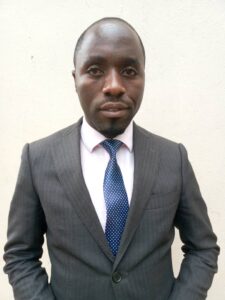
Norbert Mao, the President of the Democratic Party (DP), has declared his intention to challenge Rt. Hon. Anita Among for the Speakership of the 11th Parliament.
In his early media engagements, Mao claims his bid is driven by “pressure from Members of Parliament” and anchored on a pledge to restore accountability to Parliament. On the surface, the message sounds noble. Mao is, undeniably, one of the most gifted orators Uganda has produced—eloquent, historically fluent, and theatrically persuasive.
But politics is not theatre. Uganda has suffered long enough under eloquent men with empty consciences.
Once stripped of rhetoric, Mao’s record collapses under the weight of its own contradictions. He lacks the moral authority—utterly—to lecture the nation about accountability.

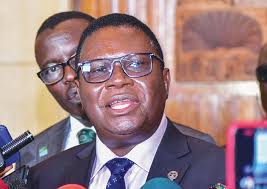
For close to 15 years, Mao has presided over one of the most disastrous leadership eras in the history of the Democratic Party. Under his stewardship, DP has steadily shrunk, fractured internally, and lost political relevance. Today, the party sits in Parliament with its smallest representation in over 70 years of existence—a humiliating low point for a once formidable political institution.
Mao perfected the art of manipulating internal party processes, ring-fencing leadership positions, and weaponising party structures to entrench himself in power.
His most recent re-election as DP President was not an exercise in democracy—it was a farce. His principal challenger, Dr Lulume Bayiga, was controversially blocked from nomination. Delegates voted from hotel gardens, yet ballot boxes were later ferried to Mao’s hotel room for counting—arguably one of the most absurd episodes in Uganda’s political theatre.

Delegates perceived to be sympathetic to the opposition were intimidated and denied meals despite an approved budget. Results were deliberately delayed until rival camps lost patience and left, only for Mao to later emerge and declare himself the winner.
This is the same man who now claims he can preside over a House of more than 500 Members of Parliament, when he could not transparently manage a political party with fewer than ten MPs. One cannot fail as a head teacher of a primary school and then apply to become a university vice-chancellor.
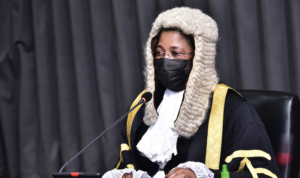
Then there is the elephant in the room—the DP–NRM “marriage of convenience.”
When Mao joined government, he sold Ugandans a grand narrative. He claimed he was entering government to negotiate a political transition, push for electoral reforms, and advocate for the release of political prisoners.
Four years later, there is nothing to show for it. Not a single substantive political reform has been tabled. Political prisoners continue to languish in detention. Abductions, repression, and state impunity remain routine. Mao—once loud, defiant, and principled—has gone silent.
Before promising accountability to Parliament, Mao owes Ugandans an account of his own broken promises.
Worse still, he dragged the Democratic Party into this cooperation without broad consultation, without due process, and without the consent of party organs. A decision of historic consequence was reduced to a personal transaction. If Mao cannot be accountable to his own party members, how does he expect the nation to entrust him with Parliament?
Let us be honest, however uncomfortable: one may criticise Anita Among’s leadership style and raise legitimate concerns about her tenure. But replacing her with Norbert Mao is not reform—it is regression.
If Anita Among has flaws, Mao represents institutionalised hypocrisy. If her leadership raises concerns, Mao’s record raises alarms.
Yes, Mao is an accomplished speaker. He would arguably make a better government spokesperson—able to package the harshest lies in the sweetest phrases. But he is manifestly unfit to serve as the next Speaker of Uganda’s Parliament.
#UgandaPolitics #NorbertMao #ParliamentWatch #DPUganda #UgandaToday
#AccountabilityDebate
Publisher