

UgandaToday: Libya in Turmoil: Saif al-Islam Gaddafi, Son of Muammar Gaddafi, Assassinated in Zintan
By Uganda Today Correspondent
Tripoli / Zintan, Libya – Saif al-Islam Gaddafi, the most prominent surviving son of former Libyan ruler Muammar al-Qaddafi, was assassinated in his home in the western Libyan town of Zintan late on 3 February 2026, Libyan officials and media reported. The killing marks a dramatic and unsettling development in Libya’s prolonged political crisis.
According to statements from Saif al-Islam’s lawyer, Khaled al-Zaidi, and aides, a group of four unidentified armed men stormed his residence in Zintan in the early hours, disabling security cameras and engaging in a deadly confrontation before fatally shooting him.
The Libyan Attorney General’s Office has opened an investigation into the killing, but the identity of the assailants or their motivations remains unconfirmed. Militia groups, including the powerful 444 Combat Brigade, have publicly denied involvement, even as speculation swirls about rival armed factions and political adversaries.
A Controversial Figure and Political Hopeful
Born in June 1972 in Tripoli, Saif al-Islam was widely viewed during his father’s rule as a potential successor who might modernize Libya’s international image. He earned a Ph.D. from the London School of Economics and was often portrayed as the reform-oriented face within the Gaddafi family.

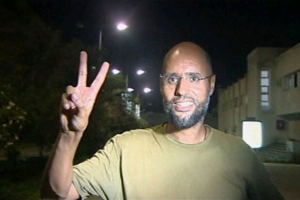
However, his legacy was deeply tainted by his support for the regime’s violent crackdown on opponents during the 2011 uprising that eventually toppled and killed Muammar al-Qaddafi. Saif was later convicted in absentia by a Libyan court for war crimes and was also wanted by the International Criminal Court (ICC) on allegations of crimes against humanity.
After being captured in 2011 and held in Zintan for several years, he was released in 2017 under a general amnesty and remained based in the town. In 2021, he attempted a return to politics by registering for the country’s presidential elections, but legal disputes over his eligibility and broader political fragmentation prevented the poll from taking place.
Implications for Libya’s Fragile Stability
Libya has remained deeply divided since the fall of the Qaddafi regime, with rival administrations and militias controlling various parts of the country. Saif al-Islam’s death could further destabilize an already fragile political landscape just months before the planned 2026 presidential polls, which many hoped might finally unify the fractured nation.
Many Libyans and international analysts have voiced concern that the killing may derail hopes for national reconciliation and fuel further mistrust among rival factions. Calls for a transparent investigation have come from political figures and civil society voices alike.
As the world watches Libya grapple with another turbulent chapter, the assassination of Saif al-Islam Gaddafi underscores the enduring challenges facing post-revolutionary governance in North Africa’s most oil-rich nation.
Hashtags #LibyaCrisis #SaifAlIslamGaddafi #LibyanPolitics #NorthAfricaNews #Assassination #PeaceAndStability
Publisher